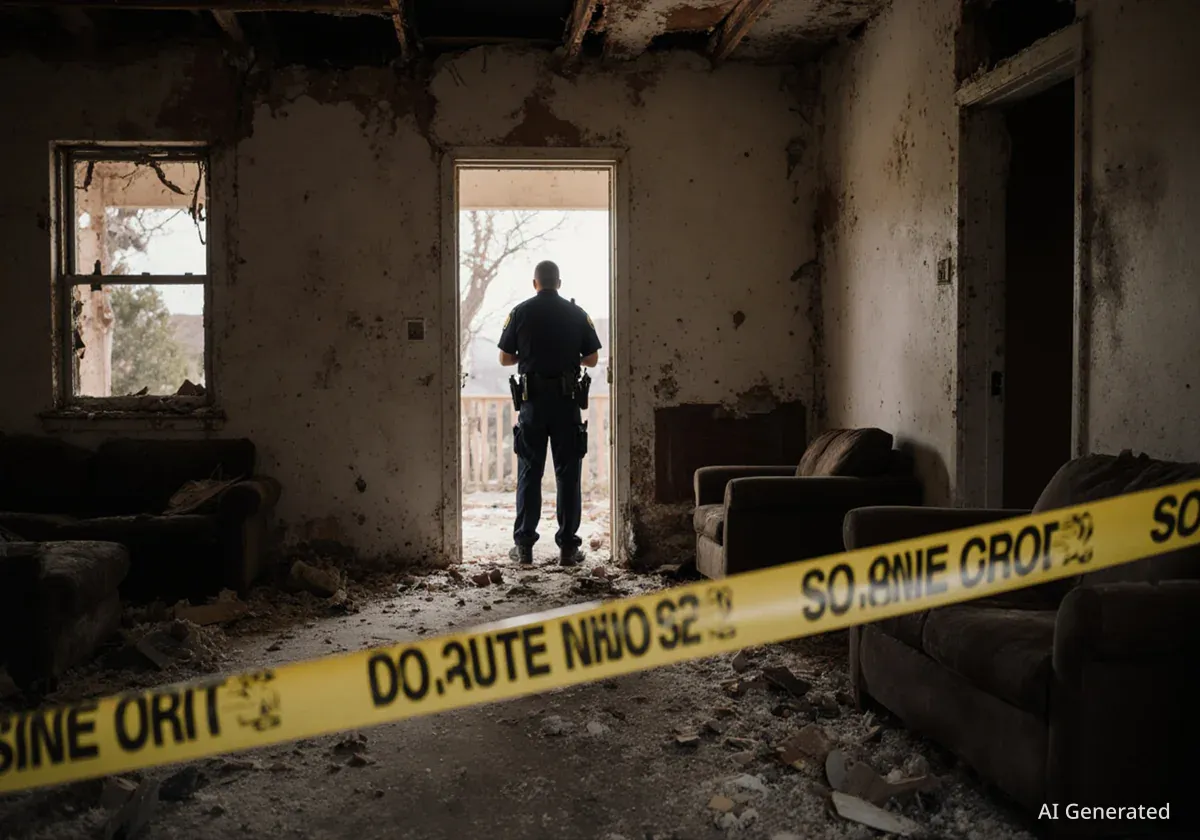
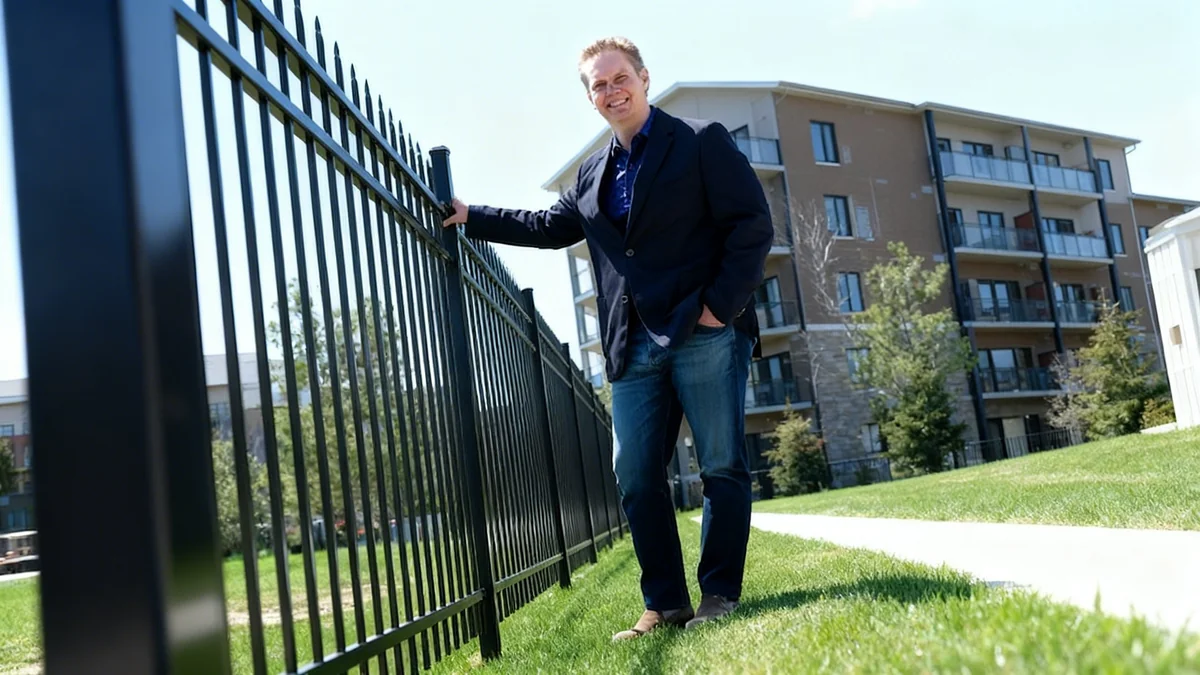
The collapse of a prominent real estate development company in Guelph, Ontario, has left 182 investors facing a collective loss of $94.3 million, sparking a police investigation and allegations of a sophisticated financial scheme. Reid’s Heritage Properties (RHP), once boasting $300 million in assets, is now in receivership, and its former president, Scott Reid, has declared bankruptcy amid claims of misappropriated funds.
For years, investors, including retired teachers and local community members, entrusted millions to RHP for rental property projects, receiving reliable monthly interest payments. However, those payments abruptly stopped in September 2024, unraveling a complex web of international transactions and questionable partnerships that has pushed some investors toward financial ruin.
Key Takeaways
- Reid’s Heritage Properties (RHP) collapsed, owing $94.3 million to 182 creditors.
- Investors allege their funds were misappropriated in what an Ontario judge described as having strong evidence of a “Ponzi scheme.”
- Former president Scott Reid blames market forces and rising interest rates for the company's insolvency.
- The Ontario Provincial Police's financial crimes unit is now investigating the matter.
The Sudden Halt of Payments
In early 2025, the offices of Reid’s Heritage Properties became a scene of distress. Investors arrived daily, seeking answers from president Scott Reid after their monthly disbursements, which had been a dependable source of income, suddenly ceased. These individuals came from various backgrounds in the Guelph community, a city of about 162,000 west of Toronto.
Many had invested their life savings, pooling family resources to become limited partners in Reid's real estate developments across Ontario and the United States. The investment model was attractive, offering returns between 9% and 12%. Investors were told their money would act as bridge financing until traditional bank loans could be secured.
“There are families who lost everything because of this,” said Andrew Long, a former business partner who introduced many investors to Reid. Long stated his own family lost over $1.7 million. “All we want to know is, where did that money go?”
A Trusted Family Name
The Reid family has been a pillar in the Southwestern Ontario construction business since the 1940s, known for their wealth and philanthropy. Investors report that this long-standing reputation was a key factor in their decision to invest with Scott Reid, believing their funds were secure. Marketing materials for RHP often highlighted this family legacy, even after RHP separated from the larger Reid’s Heritage Homes (RHH) in 2018.
Allegations of a Ponzi Scheme
While Scott Reid maintains that his company's failure was a result of rising interest rates starting in March 2022 and unfavorable market conditions, investors and court documents paint a different picture. In an August decision to freeze Reid’s assets, Ontario Superior Court Judge Jamie Trimble noted there was strong evidence that Reid and other company executives were “operating a Ponzi scheme.”
A lawsuit filed by the investors alleges their money was not just lost to bad investments but was deliberately moved through a series of unusual intercompany loans and offshore transactions. They claim they were kept in the dark about the company's true financial state and the high-risk nature of its dealings.
In a statement, Reid denied any intentional deception. “I categorically deny all allegations made by the plaintiffs. There are substantial details that have not been disclosed, and allegations that are materially misrepresented, which will become clear through the judicial process,” he said.
“People trusted him because of the Reid name. They thought investing with him was safe, simply because of who his family is.”
- Andrew Long, former business partner
A Trail of International Transactions
The search for the missing funds has led investigators to a series of complex and questionable international deals. Court filings allege that Reid used at least $40 million of investor money for undeveloped properties near Nashville, Tennessee. These properties were then used as collateral for high-risk private loans, which were ultimately defaulted on.
Funds Sent Offshore
A report from BDO Canada, a debt solutions firm, states that at least $22.9 million of investor funds were sent to Demeter Investment Holdings, a company registered in the Cayman Islands, for bonds that investors claim never materialized.
The Introduction of 'Dr. Fritz'
As financial pressures mounted, Reid’s search for capital led him to unconventional sources. In 2023, he connected with a self-proclaimed financial specialist named Fritzgerald Zéphir, often referred to as “Dr. Fritz.” Reid reportedly wired US$1.2 million to Zéphir’s Montreal-based company, JD Euroway, as part of a deal intended to secure $150 million in financing.
However, Zéphir has a troubled history. He is currently facing a $1 billion bankruptcy case in Quebec and numerous lawsuits and fraud allegations in North America and Africa. Despite these red flags, Reid continued to pursue financing through Zéphir, even establishing a “sister company” in Dubai at his instruction to facilitate the deal.
Financial records show Reid approved wire transfers of hundreds of thousands of dollars to entities in Dubai in late 2024 and early 2025. He continued sending money to a Dubai-based broker even after his company was in receivership.
The Aftermath and Ongoing Investigation
By July 2025, Scott Reid was bankrupt, his companies were in receivership, and his family estate was sold. The collapse has had a devastating human impact. One 65-year-old widow was forced out of retirement, while another investor reported being left to live in a garage. Many others have had to sell their homes to cover their losses.
The Ontario Provincial Police’s financial crimes unit is actively investigating the downfall of Reid’s Heritage Properties. Investors are pursuing their lawsuit, hoping to recover some of their lost capital and uncover the full story behind the company's collapse.
The central question remains: was this a case of a business succumbing to market pressures, or a deliberate scheme to defraud investors who trusted a well-known family name? As the legal process unfolds, 182 families are anxiously waiting for an answer.