
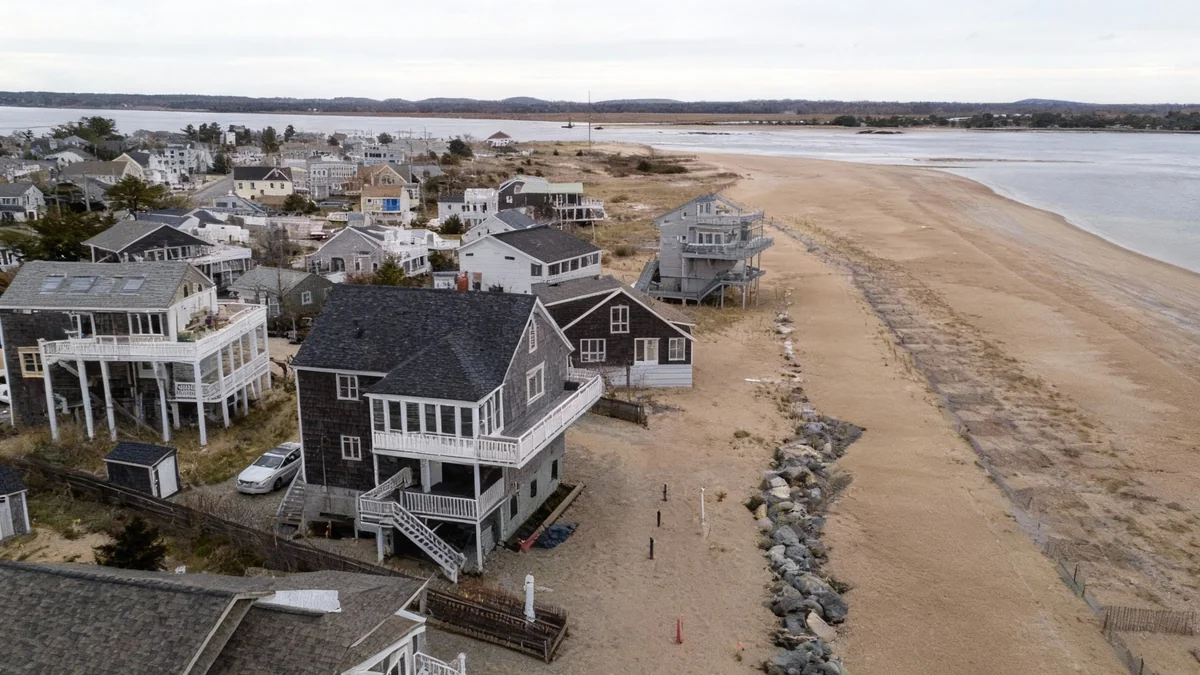
In an effort to adapt to the growing risks of climate change, Massachusetts is implementing a strategy of managed retreat by offering to purchase homes in coastal areas repeatedly damaged by flooding. This approach provides a financial exit for homeowners trapped in high-risk properties while reclaiming vulnerable land for natural flood protection.
The program targets communities like Newburyport, where rising sea levels and more intense storms have made once-desirable waterfront living an ongoing battle against nature. One homeowner on Plum Island recently accepted a government buyout, signaling a shift in how the state is confronting the inevitable impacts of a changing coastline.
Key Takeaways
- Massachusetts is actively buying residential properties in coastal regions that face recurrent and severe flooding.
- The program, often called managed retreat, aims to move residents out of harm's way and restore natural coastal buffers.
- Homeowners in areas like Plum Island in Newburyport are beginning to accept these voluntary buyout offers.
- This strategy addresses the growing uninsurability and financial strain on property owners in high-risk zones.
A New Approach to Coastal Resilience
For decades, the primary response to coastal erosion and flooding has been to build higher seawalls and replenish beaches with sand. These solutions, however, are proving to be both costly and temporary in the face of accelerating climate change.
State and local governments are now turning to a different strategy: managed retreat. Instead of armoring the coastline, this policy involves purchasing properties that are at the highest risk of damage. By removing structures, the land can be returned to its natural state as a marsh or beach, which can absorb storm surge and protect inland areas.
The decision is not taken lightly. For many families, these homes represent generations of memories and significant financial investment. Yet, the relentless cycle of flooding, repairing, and waiting for the next storm has made the situation untenable for some.
What is Managed Retreat?
Managed retreat is a climate adaptation strategy that involves the purposeful and coordinated movement of people, assets, and infrastructure away from areas vulnerable to natural hazards. In the context of coastal communities, it often involves voluntary government buyouts of flood-prone homes to restore the land to a natural state, creating buffers like wetlands or beaches that mitigate future flooding.
The View from Plum Island
Plum Island, a barrier island stretching along the coast of Newburyport, Newbury, and Rowley, serves as a frontline in the state's battle with rising seas. Homes here, some with stunning ocean views, are also exposed to the full force of coastal storms. Repeated flooding has become a part of life for residents.
One homeowner in Newburyport recently chose to end this cycle by accepting a buyout offer. While the financial details of individual transactions are often private, the deal represents a path forward for others facing similar circumstances. For this resident, the buyout provided a way to move to a safer location without facing financial ruin from a property that was becoming increasingly difficult to sell or insure.
Local officials see these buyouts as a difficult but necessary tool. The goal is not to force people from their homes but to offer a voluntary, dignified exit from a dangerous and financially draining situation. The land acquired can then be used to enhance the resilience of the entire community.
The Rising Tide of Risk
Coastal properties in Massachusetts face a dual threat: rising sea levels and more powerful storm surges. Scientists project that sea levels along the Massachusetts coast could rise by as much as 1.5 feet by 2050, dramatically increasing the frequency and severity of coastal flooding events, even during routine high tides.
The Economics of Retreat
The financial logic behind property buyouts is compelling for both homeowners and the government. For residents, it offers fair market value for a home that may soon become worthless or uninsurable. It prevents them from being trapped in a cycle of debt from repeated, expensive repairs.
For the government, the cost of a buyout is often significantly less than the cumulative expense of post-disaster aid, infrastructure repair, and emergency services over many years. Consider the following points:
- Reduced Disaster Costs: Every dollar spent on hazard mitigation, including buyouts, can save multiple dollars in future disaster recovery costs.
- Insurance Market Stability: As properties become riskier, private insurance companies may withdraw coverage, leaving homeowners uninsured or forcing them into expensive government-backed plans. Removing these high-risk properties from the market can help stabilize insurance rates.
- Infrastructure Protection: Removing homes allows for the restoration of natural habitats that protect public infrastructure like roads, bridges, and utilities located further inland.
"We are shifting from a purely defensive posture to a more strategic, long-term approach. It's about creating resilient communities, and sometimes that means helping people move to safer ground before the next disaster strikes," explained a state environmental planning official.
Challenges and the Road Ahead
Despite its benefits, the concept of managed retreat is complex and emotionally charged. It raises fundamental questions about community identity, property rights, and who should bear the cost of climate adaptation.
One of the primary challenges is funding. Acquiring coastal real estate, even at-risk properties, is expensive. Programs rely on a patchwork of federal and state funding, which can be inconsistent. Officials are exploring new funding mechanisms to make the buyout process more predictable and accessible for willing sellers.
Another hurdle is ensuring equity. Planners must ensure that buyout programs are available to all residents, regardless of income, and do not inadvertently displace lower-income communities while wealthier homeowners can afford to elevate or fortify their properties. The process must be transparent, voluntary, and provide adequate support for relocation.
As Massachusetts continues to navigate the impacts of climate change, the buyouts in places like Newburyport will serve as important case studies. They represent a pragmatic, albeit painful, acknowledgment that some parts of the coastline can no longer be defended and that a strategic retreat may be the most resilient path forward.