
Urban living often means close quarters, but for many residents, the sounds of a neighbor's private life can become an unwelcome intrusion. The issue of noise complaints is common, yet when the sounds are intimate, it creates a uniquely awkward situation that leaves many unsure how to react.
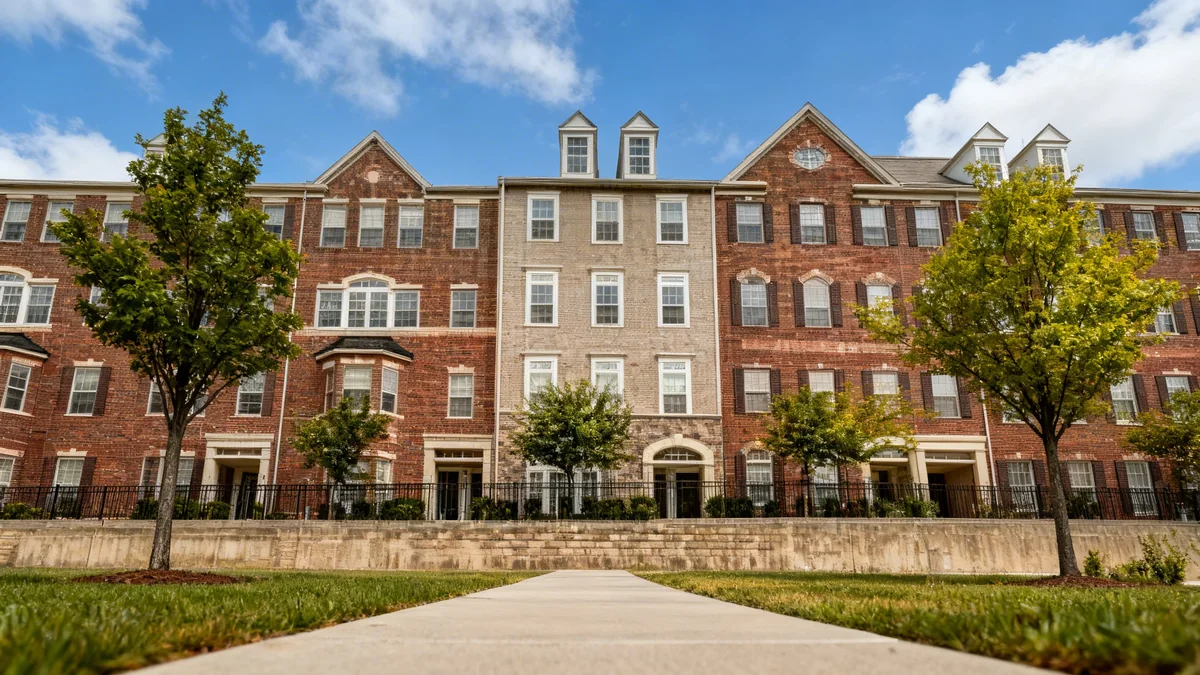
From older apartment buildings with poor soundproofing to newly constructed condos where costs were cut on insulation, the problem of hearing too much is a growing concern for renters and homeowners alike. This isn't just about loud music or late-night parties; it's about the deeply personal sounds that cross the line from background noise to an invasion of privacy.
Key Takeaways
- Noise from neighbors, particularly of an intimate nature, is a common but rarely discussed issue in high-density housing.
- Thin walls in both older and some modern buildings are a primary cause of sound transmission between units.
- Residents often feel uncomfortable and unsure of the proper etiquette for addressing such sensitive noise complaints.
- Experts suggest non-confrontational methods first, such as anonymous notes or using a third-party mediator like a landlord.
- Understanding lease agreements and local noise ordinances is crucial before escalating a complaint.
The Unspoken Rule of Apartment Living
For many who choose to live in cities, a certain level of noise is expected. Sirens, traffic, and the general hum of a dense population are part of the package. However, there is an unspoken agreement that personal sounds should remain personal. When that boundary is broken, it can lead to significant stress and discomfort.
Matt O'Brien, a comedian who moved to a 1950s-era Hollywood apartment, found himself in this exact situation. He and his wife could clearly hear their upstairs neighbors' intimate moments, turning their home into an uncomfortable listening post. Their experience highlights a widespread problem that millions of apartment dwellers face but are often too embarrassed to discuss openly.
The issue is rooted in architecture as much as it is in etiquette. Many older buildings were constructed before modern soundproofing standards were established. Even some new developments, in an effort to maximize profits, may use materials that offer minimal sound insulation between units.
Navigating an Awkward Conversation
Deciding how to address the problem is perhaps the most challenging part. A direct confrontation can feel aggressive and lead to ongoing tension with the people you share a wall with. On the other hand, suffering in silence can negatively impact mental health and the ability to feel comfortable in one's own home.
Most experts in property management and conflict resolution advise against direct, in-the-moment confrontation. Instead, they suggest a more measured approach.
What Are Your Options?
Before approaching a neighbor or landlord, it's helpful to know the typical steps for resolving noise disputes. The path often depends on your relationship with the neighbor and the severity of the issue.
The Anonymous Approach
A simple, polite, and anonymous note can sometimes be the most effective first step. A message like, "Just a friendly heads-up, the walls in this building are quite thin. Sound travels much more than you might realize," can alert neighbors to the issue without causing embarrassment or direct conflict. This method gives them the benefit of the doubt, assuming they may be unaware of how much can be heard.
Involving a Third Party
If an anonymous note doesn't work, the next logical step is to involve a landlord, property manager, or homeowners' association (HOA). These parties can act as neutral mediators. They can send a general notice to all residents about noise levels or speak to the specific tenants involved without revealing who made the complaint.
"We always recommend tenants document everything," says a representative from a major property management firm. "Keep a log of when the noise occurs and for how long. This provides concrete evidence if we need to take formal action, rather than just relying on an anecdotal complaint."
The Legal and Financial Side of Noise
Beyond social awkwardness, persistent noise can have tangible consequences. Most lease agreements include a clause regarding the tenant's right to "quiet enjoyment" of their property. If a landlord fails to address a legitimate noise complaint that violates this right, a tenant may have grounds for breaking a lease or seeking a reduction in rent in some jurisdictions.
According to a survey of urban renters, over 60% have experienced disruptive noise from neighbors, but fewer than 20% felt comfortable addressing the issue directly when the noise was of a personal nature.
However, proving a violation can be difficult. The noise must be considered excessive and persistent. A one-time incident is unlikely to hold up, but a regular pattern of disturbance, properly documented, strengthens a tenant's case.
Can You Soundproof Your Space?
For those who want to take matters into their own hands, soundproofing is an option, though it can be costly and may not be feasible for renters. Some common solutions include:
- Acoustic Panels: These can be mounted on walls to absorb sound, though they are often more effective for mid and high frequencies than the low-frequency sounds that travel through structures.
- Thick Rugs and Carpets: Adding soft surfaces to a room can help dampen ambient noise and reduce echo.
- White Noise Machines: These devices can help mask intrusive sounds by creating a constant, soothing background noise.
- Bookshelves: A large, well-stocked bookshelf against a shared wall can act as an effective, albeit unintentional, sound barrier.
Ultimately, the challenge of hearing a neighbor's intimate life is a modern symptom of high-density living. It forces a difficult balance between the right to privacy and the realities of shared spaces. While architectural solutions and clear communication can help, the problem underscores a fundamental need for mutual respect and awareness in apartment communities.