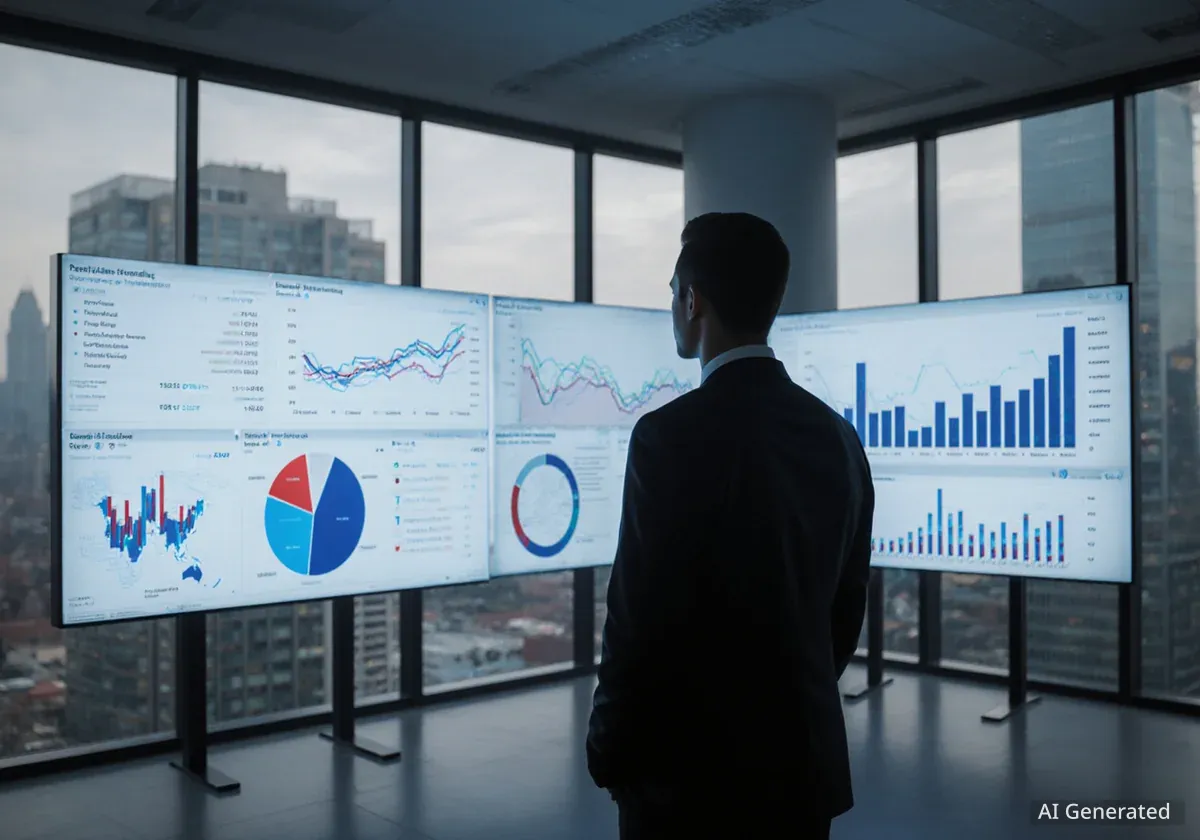
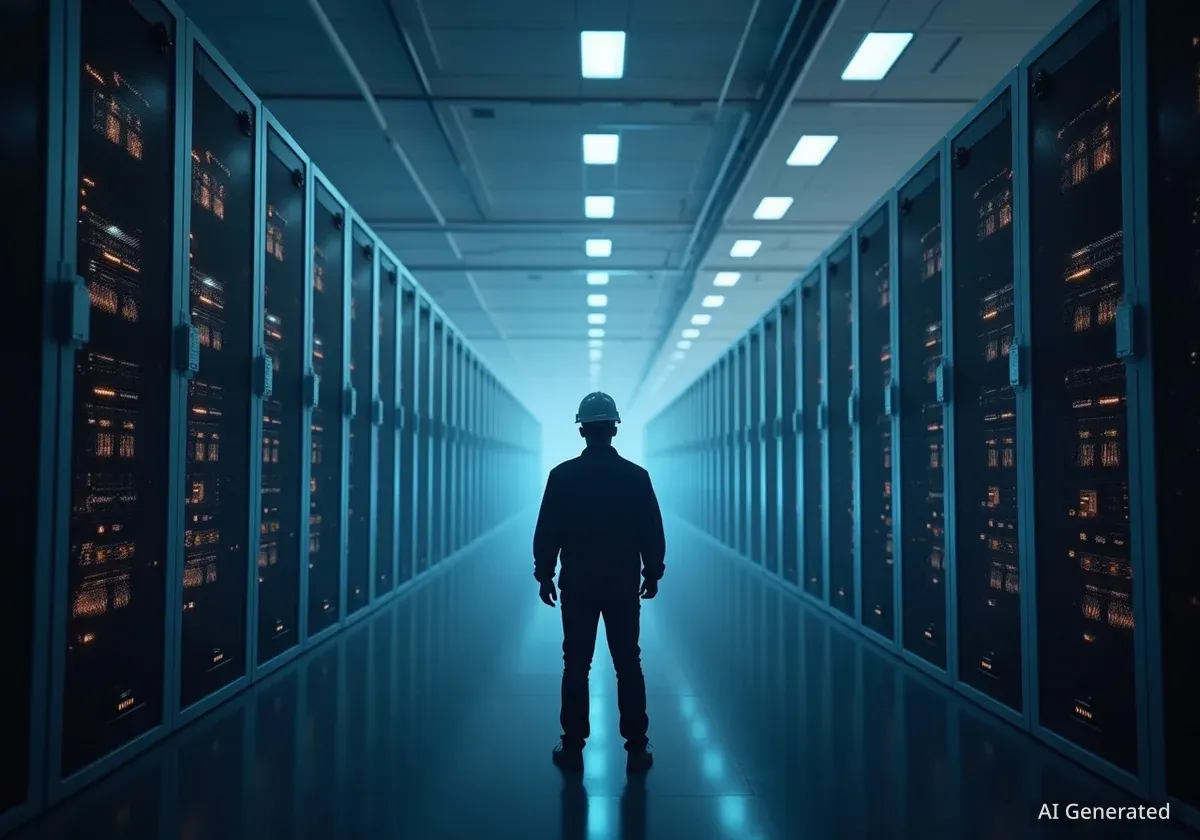
The demand for data centers, the physical backbone of the digital world, has skyrocketed by more than 200% since 2010, creating a significant gap between computing needs and available infrastructure. This unprecedented surge is fueled by the global shift to cloud computing and the accelerating pace of digital transformation across all industries.
Experts in the real estate and technology sectors warn that while the need for data processing and storage is growing exponentially, the supply of new data centers is failing to keep up. This imbalance poses a critical challenge for the future of technology, from artificial intelligence to everyday online services.
Key Takeaways
- Demand for data center capacity has increased by more than 200% since 2010.
- The primary drivers are widespread adoption of cloud computing and ongoing digital transformation.
- Supply of new data centers is constrained by challenges in securing land, power, and regulatory approval.
- The trend is identified as a long-term driver for real estate investment, separate from short-term market cycles.
An Unprecedented Growth Trajectory
The digital economy runs on physical infrastructure, and the demand for that infrastructure has reached a critical point. According to analysis from industry experts, the need for data center space has grown relentlessly over the past decade and a half, reflecting a fundamental change in how businesses and consumers operate.
Elizabeth Bell, Co-Head of Real Estate at investment firm Hamilton Lane, highlighted the scale of this shift. She noted that computing needs are accelerating at a pace that the construction of new facilities is struggling to match.
"Demand for data centers has surged more than 200% since 2010, driven largely by cloud computing and digital transformation," Bell stated. She emphasized that this is not a short-term trend but a long-term structural change in the real estate market.
By the Numbers
The more than 200% increase in demand signifies a foundational shift in the global economy. This isn't just about more people using the internet; it's about the deep integration of data-heavy processes like AI, machine learning, and cloud-based enterprise software into every sector.
The Twin Engines of Demand: Cloud and AI
Two major technological forces are primarily responsible for this explosive growth. The first is the widespread migration to cloud computing, and the second is the recent, and rapidly growing, demand from artificial intelligence applications.
The Cloud Revolution
For years, businesses have been moving away from maintaining their own on-site servers and shifting their operations to massive, centralized cloud platforms like Amazon Web Services (AWS), Microsoft Azure, and Google Cloud. This transition allows for greater flexibility and scalability, but it concentrates immense computing requirements into a smaller number of very large, power-hungry buildings.
Every time a company moves its data to the cloud, it adds to the demand for physical data center space. This includes everything from internal company files and customer databases to the applications that power remote work and global logistics.
The New Age of Artificial Intelligence
More recently, the rise of generative AI has added a powerful new catalyst. Training and operating large language models (LLMs) and other AI systems requires an extraordinary amount of computational power. This has created a new, and massive, source of demand that is pushing the existing infrastructure to its limits.
The processing needs for AI are not just a one-time event; they are continuous. As models become more complex and their use becomes more widespread, the strain on data centers will only intensify, further widening the gap between supply and demand.
The Supply Bottleneck
While demand soars, building new data centers is a slow, complex, and expensive process. The industry faces several significant hurdles that prevent supply from quickly responding to market needs, creating a persistent bottleneck.
What is a Data Center?
A data center is a secure, climate-controlled facility that houses the computer servers and networking equipment that store, process, and distribute the world's digital information. They are the physical heart of the internet, cloud computing, and nearly every digital service we use daily.
The Search for Power and Land
Modern data centers consume vast amounts of electricity, both to run the servers and to keep them cool. Finding locations with sufficient and reliable power is one of the biggest challenges for developers. Many local power grids are already strained and cannot support the addition of a multi-megawatt facility without significant and costly upgrades.
Suitable land is also becoming scarce. Data centers need to be located near major fiber optic networks and in areas with a stable power supply, but they also face competition for land from other industrial and commercial uses. This has driven up land prices in key markets like Northern Virginia, Silicon Valley, and other global tech hubs.
Regulatory and Community Hurdles
The construction of data centers often faces a lengthy and uncertain approvals process. Local governments and communities are increasingly scrutinizing these projects due to concerns about their energy consumption, water usage for cooling, and noise levels. Zoning changes and permitting can take years, delaying projects and adding to their cost.
As a result of these factors, the pipeline for new data center construction is struggling to keep pace. The time from identifying a site to a fully operational facility can be several years, a timeline that is out of sync with the rapid acceleration of digital demand.
A Long-Term Investment Horizon
The persistent imbalance between supply and demand has made data centers a highly attractive asset class for real estate investors. Unlike other commercial properties that may be subject to economic cycles, the need for data infrastructure is seen as a durable, long-term trend.
Investment in this sector is no longer a niche strategy but a core component of many real estate portfolios. Investors are drawn to the stable, long-term leases typically signed by major tech companies and the fundamental role these buildings play in the modern economy.
As our world becomes ever more connected and data-driven, the demand for the physical buildings that power our digital lives shows no signs of slowing down. The key challenge for the coming years will be whether the industry can find innovative ways to overcome the significant hurdles to building them faster.