As homeowners consider upgrades to boost property value, real estate agents are pointing to one specific category of smart technology as the most requested feature among potential buyers. While the market is flooded with high-tech gadgets, experts agree that simple, integrated, and convenient solutions are what truly capture attention and add lasting worth.
According to several industry professionals, smart lighting has emerged as the clear frontrunner, prized for its ability to enhance a home's atmosphere and daily convenience. This preference for seamless integration over complex, standalone devices signals a significant shift in what buyers prioritize when searching for a modern home.
Key Takeaways
- Real estate agents identify smart lighting as the most in-demand home technology feature for 2026.
- Buyers prioritize tech that is quiet, seamless, and convenient over complicated systems.
- Cloud-connected security, remote locks, and in-home wellness tech like saunas are also gaining popularity.
- Features like smart refrigerators, built-in screens, and integrated speakers are often considered outdated or impractical by buyers.
- Experts advise homeowners to invest in technology that can be easily upgraded and integrates well with broader smart home ecosystems.
The Unanimous Choice: Smart Lighting Leads the Pack
When it comes to home technology that makes a real difference to buyers, real estate agents are in agreement. The single most requested feature is not a flashy media room or a futuristic appliance, but a thoughtfully integrated smart lighting system.
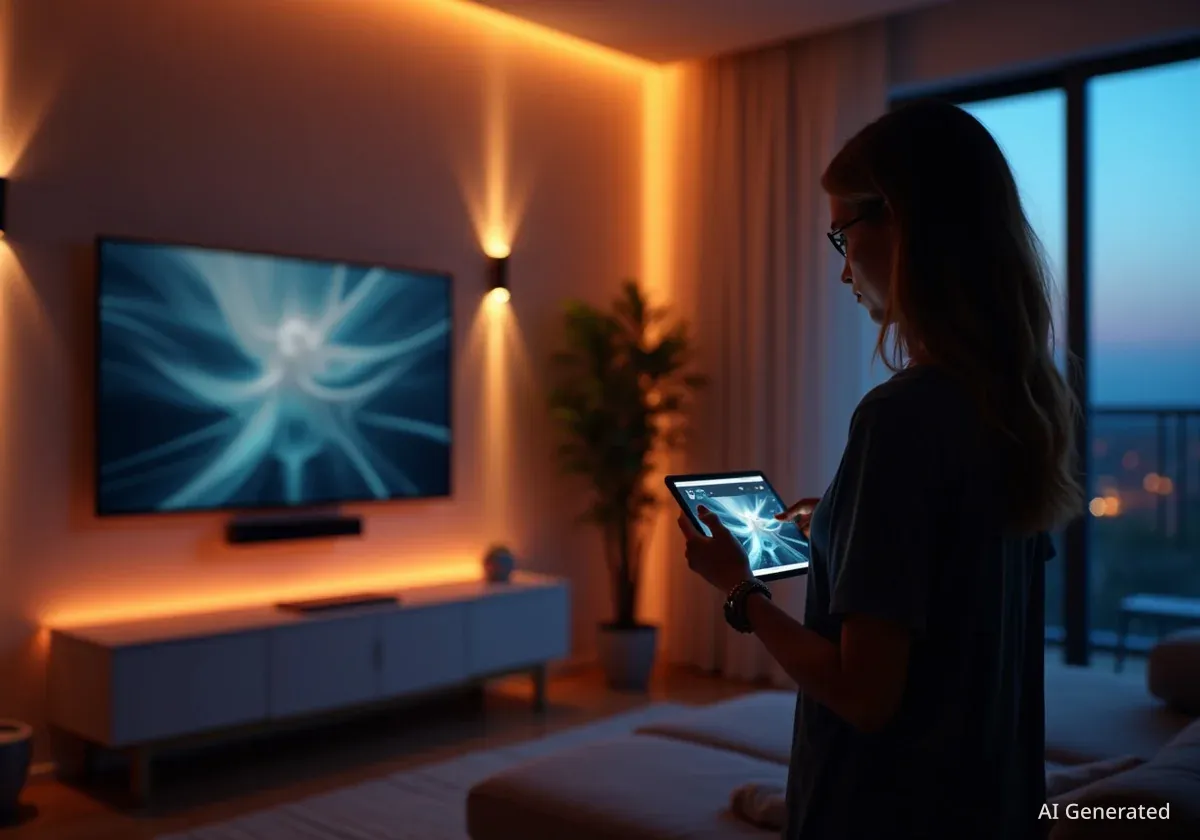
This technology allows homeowners to control the ambiance of their living spaces with voice commands or simple app controls. The appeal lies in its practicality and the immediate impact it has on a home's environment.
"More and more buyers ask whether the home's lighting is smart device-ready and compatible. It's great to walk into my home, simply say, ‘evening light mode,’ and specific lights in my home auto-adjust to provide a lighting atmosphere that's just right."Jules Garcia, Real Estate Agent at Coldwell Banker Warburg
The ability to create custom lighting scenes for different activities—from bright, focused light for working to warm, dim light for relaxing—adds a layer of luxury and personalization that resonates with modern buyers. Aaron Tetzlaff, also a real estate agent with Coldwell Banker Warburg, notes that this feature is often underestimated.
"Having adjustable, programmable smart lighting often gets overlooked, but it enhances the overall feel and quality of your home," Tetzlaff explains. It’s a subtle upgrade that significantly improves the living experience without requiring a steep learning curve.
Security and Wellness Emerge as Key Priorities
While lighting takes the top spot, other smart features focusing on security, convenience, and personal well-being are also highly valued by today's home shoppers. These technologies offer practical solutions that provide peace of mind and enhance a modern lifestyle.
Enhanced Security and Access Control
Cloud-connected security systems are a major selling point. These systems provide homeowners with live video and audio feeds, allowing them to monitor their property from anywhere. "These security systems allow buyers and owners to control their security with live video and audio, and even speak with delivery people remotely,” says Garcia.
Complementing these systems are remote locking and unlocking devices. Tetzlaff highlights their value, particularly for second homes or investment properties. While they may require a subscription, he points out that the annual cost is often less than a single emergency call to a locksmith.
A Worthwhile Investment
According to real estate agent Aaron Tetzlaff, the annual subscription for a remote locking system can be less expensive than one high-season call-out fee for a locksmith, making it a practical investment for property owners.
The Rise of In-Home Wellness Tech
A growing trend, especially in the luxury market, is the demand for integrated health and wellness technology. Chris Wands, a luxury real estate agent at Douglas Elliman, has observed a significant increase in requests for features like in-home infrared saunas and smart steam rooms.
"Health tech used to be a luxury add-on, but now it’s a core part of the home search," Wands states. He predicts this trend will only intensify.
"2026 is shaping up to be the year buyers want a fully tech-enabled sanctuary—one that protects them, restores them, and quietly optimizes their lives in the background."Chris Wands, Founder of The Wands Team at Douglas Elliman
This shift indicates that buyers are increasingly looking for homes that actively contribute to their well-being, moving beyond basic comforts to include features that support a healthy lifestyle.
Tech to Avoid: What Buyers Don't Want
Just as important as knowing what to install is knowing what to avoid. Certain smart home features, once considered cutting-edge, are now viewed by buyers as liabilities due to their rapid obsolescence or lack of practical use.
The Danger of Built-In Tech
A common theme among undesirable tech features is their permanence. Built-in screens, speakers, and proprietary systems can become outdated in just a few years. Buyers often see these as removal projects rather than assets, as technology evolves much faster than home fixtures.
Real estate agents caution sellers against over-investing in technology that is likely to become a burden for the next owner. Keeping it simple and useful is the guiding principle.
Five Overrated Home Tech Features
- Smart Refrigerators: While the concept of a fridge that tracks groceries is appealing, Garcia notes that the technology hasn't lived up to its promise for most users. Wands adds that their inability to integrate with other smart home systems makes them more of a hassle than a help.
- Screens in Every Room: Built-in smart tablets and control panels ported into walls are a major red flag for buyers. "These wall-built-in units, even just a few years old, are already unusable due to the speed of tech innovation and changes in device dimensions,” Garcia warns.
- Built-In Speakers: Similar to built-in screens, integrated speaker systems are often unimpressive to buyers. Garcia has observed that most new homeowners end up removing them in favor of modern, wireless audio solutions.
- Dedicated Smart Theaters: Unless a home is in the ultra-luxury category with ample space, a dedicated media room is often seen as wasted potential. Garcia says buyers generally prefer flexible, multi-purpose spaces where family and friends can interact.
- Overly Complicated Systems: A smart home system that requires a manual to operate is a deterrent. "If sellers are looking to put in home tech, keep it simple and useful,” Tetzlaff advises. “If it has multiple menu panels on a touch screen, I’d stay away from it.”
Ultimately, the most desirable home technology is that which simplifies, not complicates, daily life. Homeowners aiming to increase their property's appeal should focus on smart, seamless, and sensible upgrades that stand the test of time.