Two apartment complexes in Detroit's west side and Old Redford neighborhoods are set for an online auction in early March, a move that reflects ongoing challenges in the city's rental market outside of its redeveloped core. The properties, owned by an Israeli investor, have struggled with low occupancy rates since the end of pandemic-era eviction moratoriums.
The Greenbriar Park Apartments and Colonial Manor, totaling 147 units, represent a segment of Detroit's housing stock that offers affordable rents but has faced difficulties in the current economic climate. The auction is being presented as an opportunity for new ownership to revitalize the buildings and capitalize on their potential.
Key Takeaways
- Two Detroit apartment buildings, Greenbriar Park and Colonial Manor, will be sold via an online auction starting March 2.
- The properties are owned by an Israeli real estate investor who is shifting market focus.
- Occupancy rates are currently low, at approximately 25% for Greenbriar Park and 55% for Colonial Manor.
- The buildings offer affordable rent options, with studios around $750 and one-bedrooms at $885.
- The sale is described as a significant lease-up opportunity for a new investor rather than a major renovation project.
Properties and Pricing Under the Spotlight
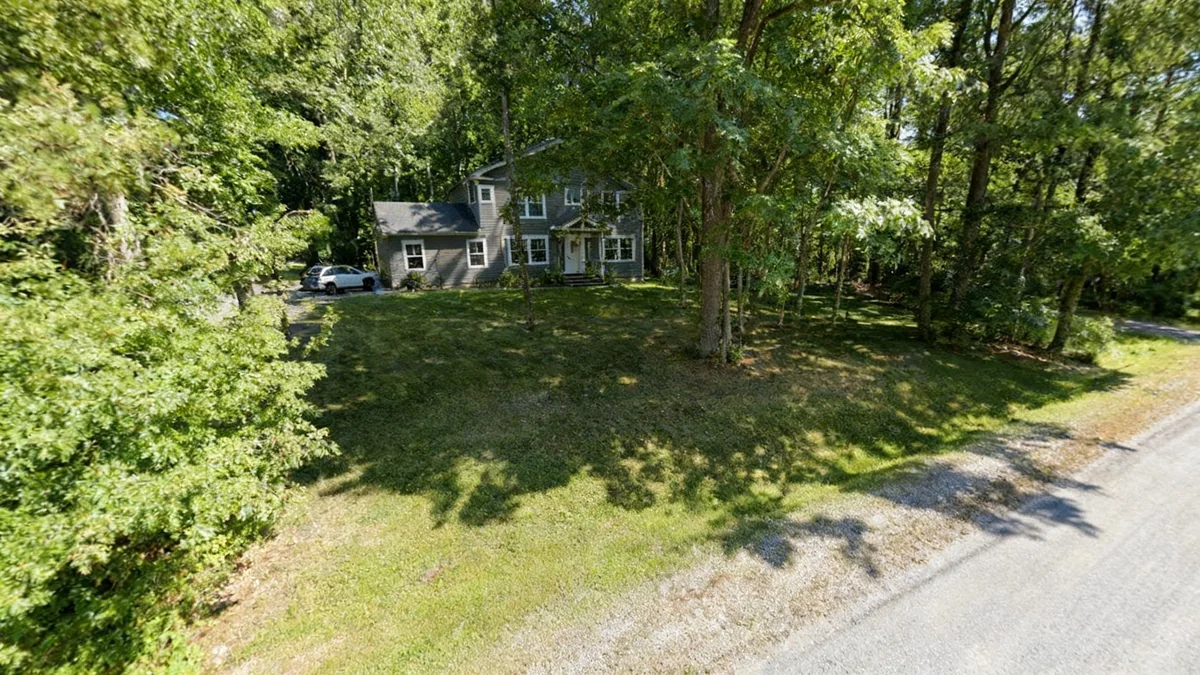
The two properties at the center of the upcoming sale are the 98-unit Greenbriar Park Apartments, located at 11385 Greenfield on the city's west side, and the 49-unit Colonial Manor at 18045 Lahser in the Old Redford neighborhood. Both buildings, constructed in the 1960s, are owned by XLNC INVEST, a limited liability company associated with an Israeli businessman who acquired them in the mid-2010s.
Unlike the high-end developments in downtown and Midtown Detroit, these complexes cater to a different demographic. They provide more accessible housing options for many city residents. Current rental rates are set at approximately $750 per month for a studio, $885 for a one-bedroom unit, and $1,050 for some two-bedroom apartments. These price points are crucial in a city where housing affordability remains a significant concern.
The properties accept federal subsidized housing vouchers, commonly known as Section 8, further cementing their role in the affordable housing landscape.
By the Numbers: The Detroit Auction
- Total Units: 147
- Greenbriar Park: 98 units, ~25% occupancy
- Colonial Manor: 49 units, ~55% occupancy
- Auction Platform: Ten-X website
- Start Date: March 2
The Rationale Behind the Sale
The decision to sell is not a reflection of a negative outlook on Detroit, according to the local broker handling the sale. Brent Maxwell of Propfoxx real estate explained that the owner is strategically realigning his portfolio. "It’s nothing anti-Detroit; they are just pivoting their holdings," Maxwell stated.
This investor was part of a wave of international buyers who saw potential in Detroit's real estate market a decade ago, when properties could be acquired at low prices with the promise of strong rental income. Maxwell noted that Detroit continues to attract foreign capital for this reason.
"People love Detroit, because if you are in Israel, it’s similar to trying to buy rental properties in Birmingham, Michigan — you can’t get real return on your money from an income standpoint because everything is really expensive."
He added that investors from high-cost markets like California and New York are drawn to Detroit for the same reason: the potential for double-digit cash returns that are nearly impossible to achieve in their home states.
Post-Pandemic Rental Market Challenges
The low occupancy rates at both Greenbriar Park and Colonial Manor are a direct consequence of the post-pandemic rental environment. According to Maxwell, the owner became more selective about tenant screening after the COVID-19 eviction moratorium ended. This cautious approach was a response to a rise in non-paying tenants, an issue other landlords in the city have also reported. The process of evicting non-paying renters has also become more challenging in the court system.
An Opportunity for a New Investor
Despite the low occupancy figures, the broker frames the situation as a prime opportunity. The properties are being marketed not as fixer-uppers requiring extensive capital, but as assets with significant leasing potential.
"They are both massive lease-up opportunities without a lot of deferred maintenance," Maxwell said. He emphasized that a new owner's primary task would be implementing a strategic plan to fill the vacant units rather than undertaking a costly, full-scale renovation.
This distinction is important for potential buyers. "It’s more a lease-up plan than it is a (renovation project) — which is great for (a future) investor because it’s kind of priced to steal," he added.
A Test for the Broader Detroit Market
The auction comes at a time when the Detroit real estate market is less frenetic than it was a few years ago. The number of traditional sales for apartment buildings has slowed, partly because some owners have price expectations that don't align with current buyer valuations.
An auction format is intended to break this stalemate. "I think in this case the auction is going to give us the most exposure and the most buyers and the most reach," Maxwell explained. The structure of an auction creates a defined timeline and a clear end point for the transaction.
"It also creates a sense of finality in making sure that these assets get sold," he concluded. The outcome of the sale will be closely watched as an indicator of investor confidence and the market value of older, affordable apartment stock in Detroit's neighborhoods.