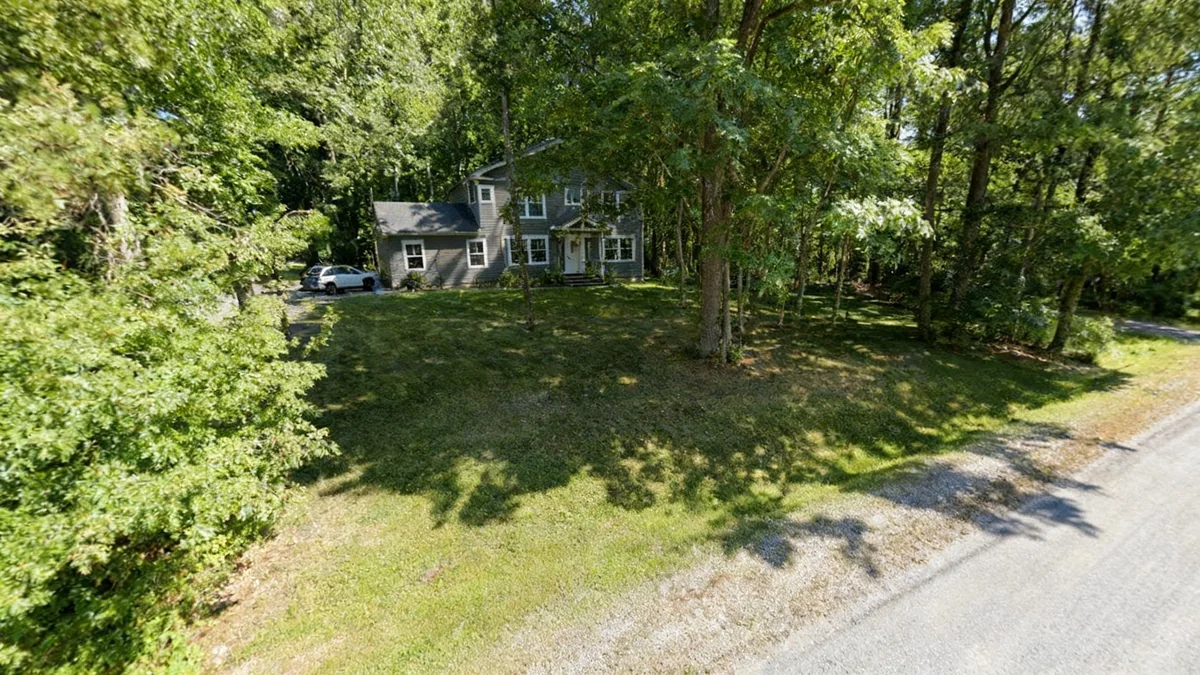

Homeowners across Guilford County are receiving new property value assessments this week, with officials reporting an average increase of 40% to 45%. The new valuations, which will affect approximately 192,000 properties, reflect a real estate market that has seen significant growth.
The notices being mailed are for informational purposes and are not tax bills. They provide property owners with the updated market value of their homes, which will be used to calculate property tax bills later this year. Officials are advising residents to carefully review the information provided.
Key Takeaways
- Guilford County's new property assessments show an average value increase of 40-45%.
- Approximately 192,000 homeowners will receive notices this week.
- This assessment is not a tax bill; actual tax bills will be sent in July.
- Homeowners have the option to review their property data and file an appeal if they disagree with the new valuation.
An Unprecedented Rise in Property Values
The significant jump in assessed property values is a direct result of a rapidly changing real estate market. According to Guilford County Tax Director Ben Chavis, the scale of the increase is historic for the region.
"Unprecedented increases in Guilford County, during my 38 years in this business, I've never seen values increase over a short period of time as drastically as they have," Chavis stated.
This revaluation process aims to align the county's official property values with current market rates. The final tax amount a homeowner pays will depend on the new tax rate, which local governments like the county and city councils will set during their budget processes later this year.
By the Numbers
The new assessment impacts 192,000 homeowners throughout Guilford County, including those within the city limits of Greensboro and High Point. The average increase of 40% to 45% represents one of the largest single-period adjustments in the county's history.
Why Is a Reappraisal Happening Now?
While Guilford County typically operates on a five-year revaluation cycle, this assessment comes after just four years. The decision to conduct an early reappraisal was triggered by state guidelines.
Chavis explained that the North Carolina Department of Revenue mandates a reappraisal when the ratio of assessed value to actual sales price consistently falls below 85%. This indicates that official property values are lagging significantly behind the true market value.
Understanding Revaluation
Property revaluation is a standard process used by municipalities to determine the current market value of all properties within their jurisdiction. The goal is to ensure fairness and equity in the property tax system, so that the tax burden is distributed based on the true value of each property. A surge in home sale prices, as seen in recent years, can quickly make old assessments outdated.
The accelerated timeline ensures that the tax base reflects the current economic reality of the local real estate market, preventing major discrepancies in how properties are taxed.
What Homeowners Should Do Next
County officials emphasize that the notice arriving in the mail is a statement of value, not a bill. Homeowners are encouraged to take specific steps upon receiving their assessment.
"If you're in agreement with the value, there's nothing else you have to do but wait for the tax bill in July," Chavis advised. However, for those who question the new valuation, a formal review process is available.
The assessment notice includes a unique QR code for each property. Scanning this code with a smartphone will direct the homeowner to a specific page on the county's website with detailed information about their property.
Steps for Review and Appeal
If you receive your notice and believe the assessed value is inaccurate, here is a general guide to the process:
- Scan the QR Code: Use your smartphone to scan the QR code on the notice. This is the fastest way to access your specific property details online.
- Review Your Property Data: Carefully check all the information listed for your property. This includes square footage, number of bedrooms and bathrooms, lot size, and other key features. Ensure all data is correct.
- Compare with Similar Properties: Look at recent sales of comparable homes in your neighborhood. This can help you determine if your new assessed value is in line with the current market.
- File an Appeal: If you find errors or believe the valuation is incorrect after your review, you can file an appeal. The notice and the county website will provide instructions and deadlines for submitting an appeal to the Board of Equalization and Review.
It is important for homeowners to act within the specified appeal period if they wish to challenge the new valuation. The value established during this process will form the basis for property tax calculations for the next several years, until the next county-wide revaluation.