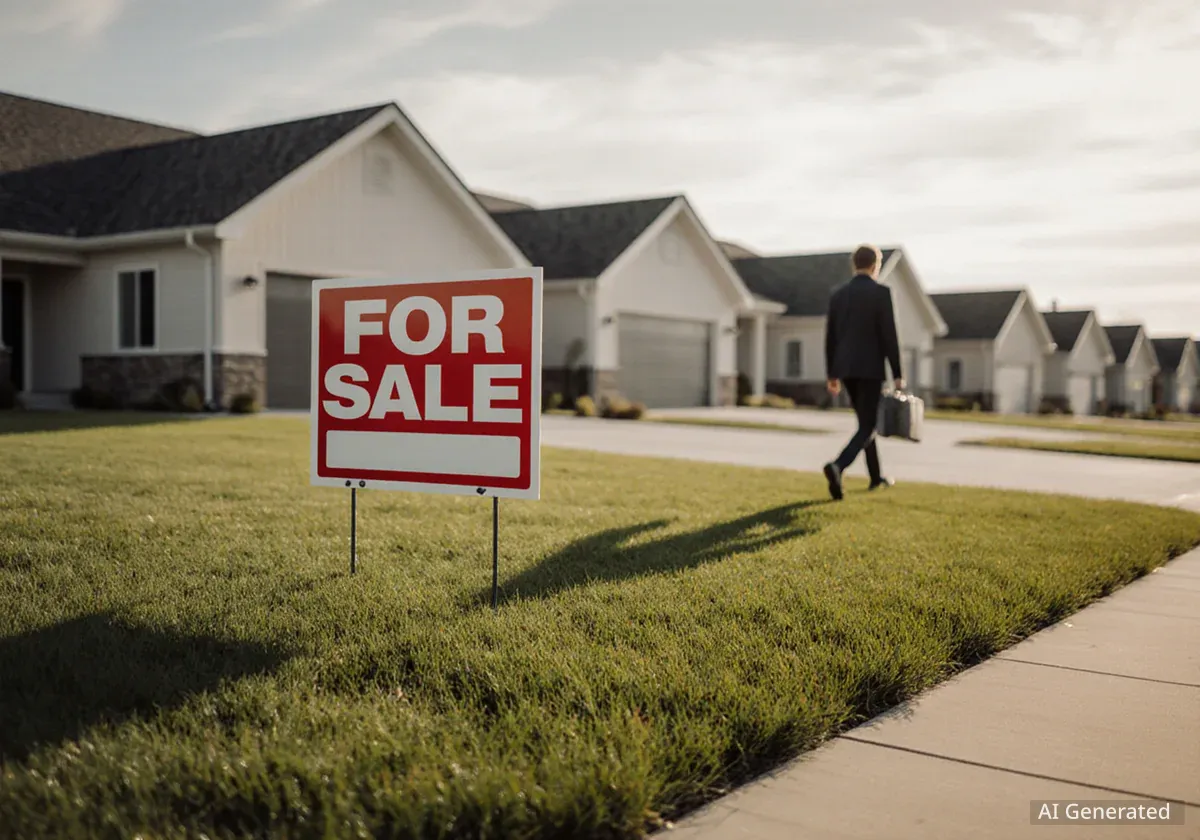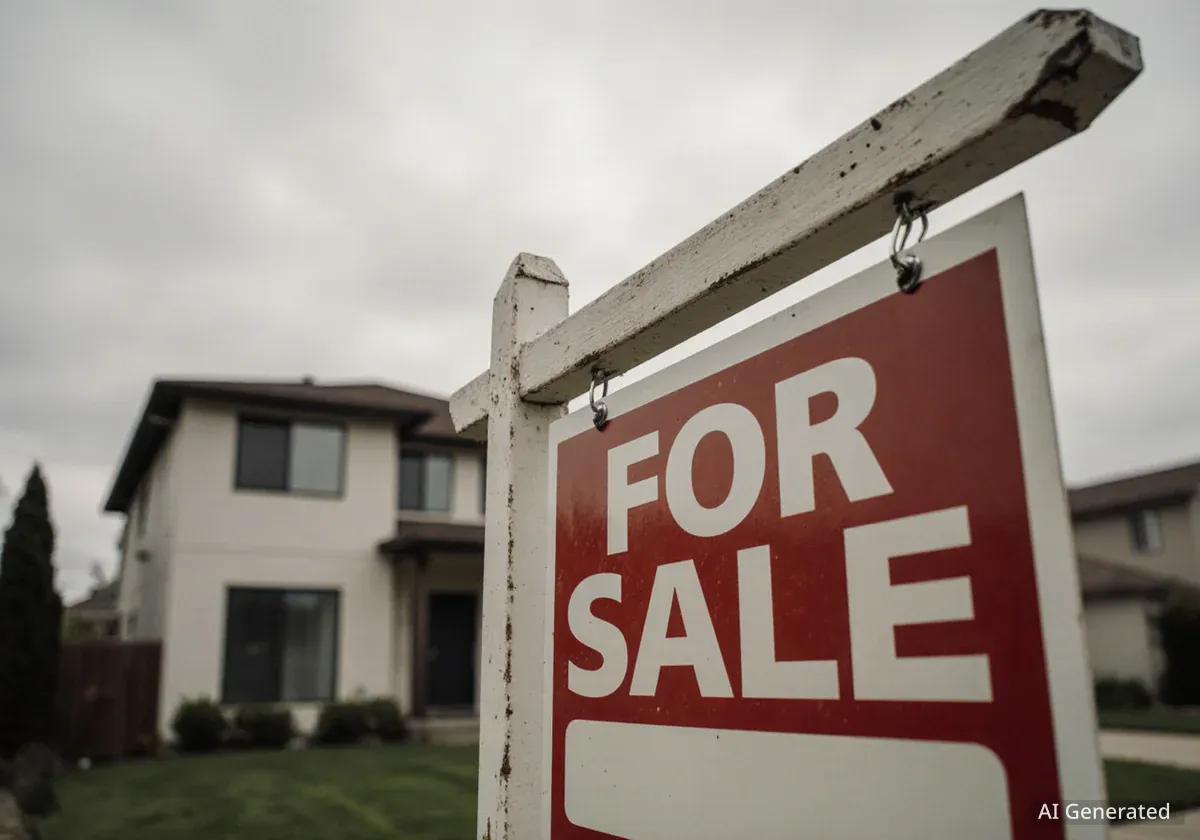
Despite talk of a cooling market, the dream of owning a home is becoming more distant for a significant portion of Americans. A combination of soaring prices, elevated interest rates, and a scarcity of affordable properties is creating a challenging environment, particularly for first-time buyers and middle-income families.
This widening affordability gap is fundamentally altering the landscape of the U.S. housing market. As traditional buyers are pushed to the sidelines, investors and high-income households are increasingly dominating home purchases, raising questions about the future of homeownership for the next generation.
Key Takeaways
- The income required to afford a typical U.S. home has surged to approximately $93,000, up from $52,000 in early 2020.
- Investors now account for over 30% of all home purchases, nearly double the share from before the pandemic.
- The share of first-time buyers has fallen to a record low of 21%, with the median age of a first-time buyer climbing to 40.
- Many prospective buyers are making significant life changes, such as moving in with family or delaying other major goals, just to save for a down payment.
The Affordability Crisis by the Numbers
The core challenge for aspiring homeowners is simple arithmetic: the cost of entry has outpaced wage growth significantly. Since the beginning of the pandemic, home prices have jumped by an estimated 50 percent. This dramatic increase means that the financial threshold for homeownership has shifted dramatically in just a few years.
A Shifting Financial Burden
According to data from real estate marketplace Zillow, a household now needs to earn roughly $93,000 annually to comfortably afford a typical home with a 20 percent down payment. This is a substantial increase from the $52,000 needed in February 2020.
This financial strain is a primary concern for younger generations. A recent poll highlighted that for voters under 30, housing was the expense they worried most about affording. This anxiety is pushing many to reconsider their life timelines.
Research from Intuit Credit Karma found that 42 percent of Gen Z and 40 percent of millennials have delayed or altered other major life goals due to high housing costs. These compromises range from postponing marriage and children to putting career changes on hold.
A Market Dominated by Investors
As traditional buyers retreat, a different type of buyer is stepping in. Data analytics firm Cotality reports a significant surge in investor activity. In 2025, investors were responsible for 30.2 percent of all home sales in the country. This figure is a sharp rise from 16.1 percent in 2020.
Not a Buying Spree, But a Buyer Retreat
A report from Realtor.com clarifies that this shift isn't necessarily due to an aggressive investor buying spree. Instead, it reflects a retreat by traditional, owner-occupant buyers who can no longer compete. This trend threatens to keep housing inventory low for average families and further inflate prices in the entry-level market.
This changing dynamic has a direct impact on first-time buyers. According to an annual survey from the National Association of Realtors, their share of the market has dropped to a record low of just 21 percent. The demographic of a first-time buyer has also aged considerably. In 1987, the typical first-time buyer was 29 years old; today, that age has climbed to 40.
The Human Cost of a Difficult Market
Behind the statistics are countless individuals and families navigating a stressful and often demoralizing process. For many, the journey to homeownership is filled with compromise and sacrifice.
The Houston Search
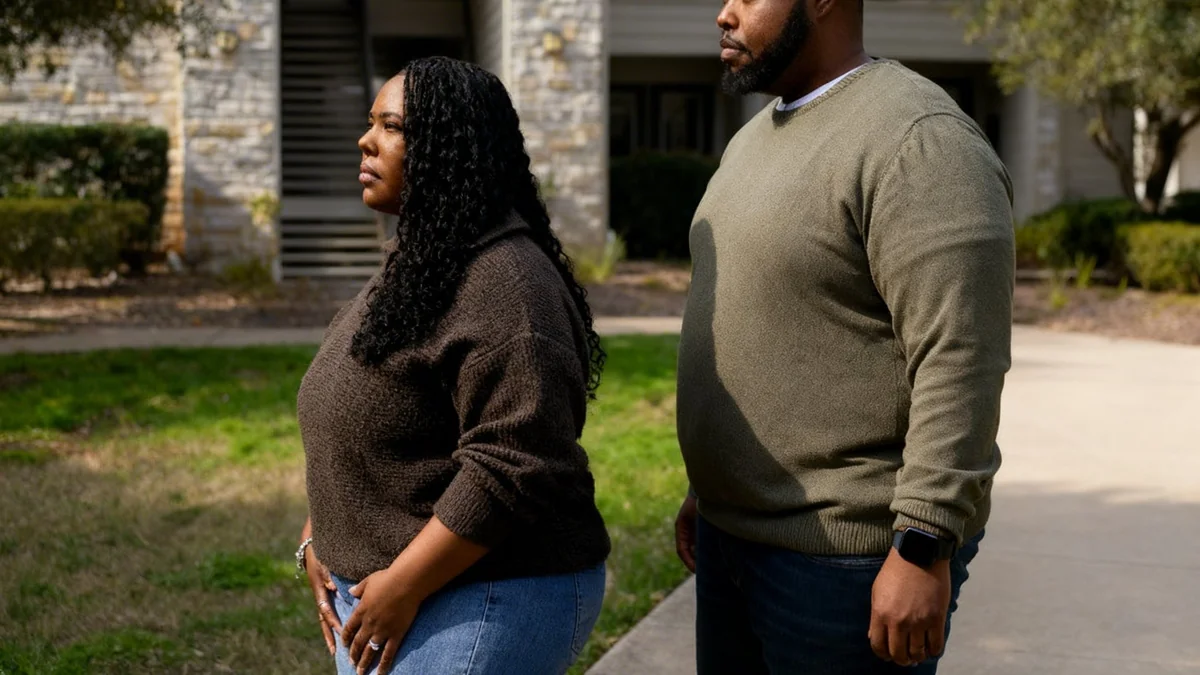
Ashlan and Kai McDaniel, a recently married couple in their late twenties, are searching for their first home in the Houston area. With a budget of $300,000, they find their options are limited, with most listings being new construction that they are hesitant to consider after a friend’s negative experience.
“It feels very overwhelming,” said Ms. McDaniel, a workers’ compensation specialist. “Especially when people my age are on social media like, ‘Got my keys to my new house,’ and it’s like, ‘Wow. You know, I want that for us.’”
The couple continues to rent their one-bedroom apartment for $1,400 a month as their search continues, a common story for many who feel trapped between rising rents and unattainable home prices.
Creative and Drastic Savings Strategies
To even get a foothold in the market, buyers are employing creative and sometimes drastic measures. A Zillow report noted that in 2025, half of all buyers used at least two sources to fund their down payment. That share is even higher for younger buyers, at 57 percent for Gen Z and 56 percent for millennials.
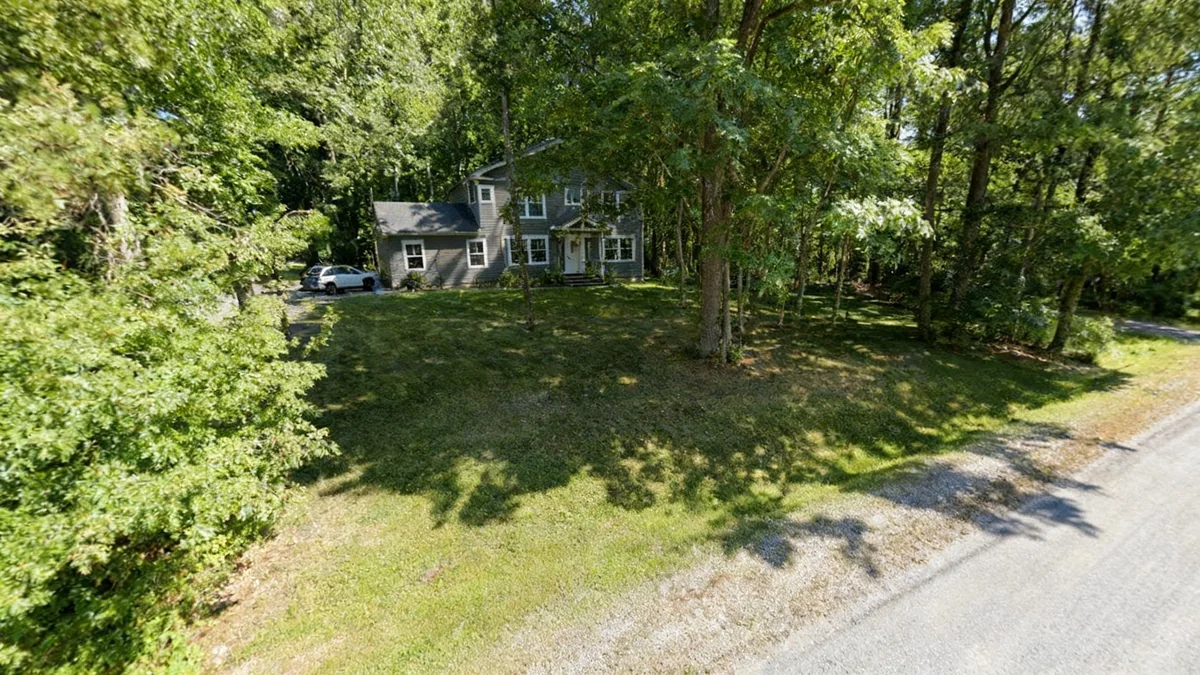
For some, the sacrifices are more profound. Brandi Robinson, 27, and Joshua Barnes, 28, moved in with Mr. Barnes’s parents in Maryland to accelerate their savings. Despite having a healthy budget of around $425,000, they have been repeatedly outbid.
“I think we just anticipated that it was going to go so much quicker than this,” said Ms. Robinson. “I feel like initially everyone was telling us that this is a buyer’s market... and it’s really not.”
The couple recently abandoned their ideal location and are now looking in a different county, a compromise many are forced to make.
Redefining the Homeownership Dream
The current market is forcing a re-evaluation of what it means to be a homeowner. The focus has shifted from simply affording the mortgage to ensuring long-term financial stability.
Sam Diarbakerly, chief executive at Generation Capital Advisors, notes a change in buyer mentality. “It is less about stretching to get in and more about entering homeownership from a position of stability,” he said. Buyers are now more carefully considering the total cost, including taxes, insurance, HOA fees, and potential maintenance.
This cautious approach is exemplified by Sarah Eller, a 26-year-old single mother and registered nurse in Arizona. After initially planning to buy a home, she realized she would be financially stretched. She has now decided to delay her purchase, pay off her $59,000 in student loans, and save at least $100,000.
Her interim solution is to renovate her parents’ garage into a living space for herself and her daughter. “When I get into the home, I don’t want to be broke, because anything could happen,” Ms. Eller explained.
As the market continues to favor existing homeowners and investors, the path to building wealth through property is becoming narrower for a new generation. While mortgage rates may ease, the fundamental issues of high prices and low supply remain, cementing a housing divide that could have long-lasting economic and social consequences.