The retail landscape is undergoing a profound transformation, driven by forces that extend far beyond simple price tags and product availability. Today's consumers are increasingly making decisions based on personal health, ethical considerations, and even the weather, pushing brands to adapt or risk becoming irrelevant. This shift is creating new winners and losers in a marketplace that values transparency and sustainability more than ever before.
From the grocery aisle to the luxury boutique, a quiet revolution is underway. Shoppers are demanding more than just products; they want items that align with their values. This has led to the rise of wellness-focused chains, intense scrutiny of supply chains, and a growing awareness of how climate volatility impacts everything from product availability to purchasing decisions.
Key Takeaways
- The Wellness Economy: Consumers are prioritizing health, leading to rapid growth for retailers like Sprouts that specialize in natural and organic products. This trend extends beyond food to all consumer goods.
- Ethical Scrutiny: Shoppers are increasingly concerned with the environmental and social impact of their purchases, putting pressure on industries like luxury leather to adopt more sustainable and transparent practices.
- Climate's Retail Impact: Unpredictable weather patterns are directly influencing supply chains, product availability, and consumer buying behavior, forcing retailers to become more agile and data-driven.
The Wellness Revolution: More Than Just Groceries
The modern consumer's shopping list is increasingly doubling as a wellness plan. This movement is most visible in the grocery sector, where specialty markets focused on health have gained significant market share. Retailers that offer organic produce, clean-label packaged goods, and a wide array of dietary supplements are no longer niche players but formidable competitors to traditional supermarkets.
This trend is built on a foundation of consumer education and a desire for transparency. Shoppers want to know what is in their food, where it came from, and how it was produced. This has forced brands across the board to reformulate products, simplify ingredient lists, and provide clear, accessible information about their sourcing.
By the Numbers
The global health and wellness food market is projected to grow by over 7% annually, reaching a value of nearly $1.2 trillion by 2028. This growth highlights the mainstream adoption of health-conscious eating and shopping habits.
But the wellness wave doesn't stop at the pantry door. It now influences purchases in beauty, home goods, and even apparel. Consumers are seeking out non-toxic cleaning supplies, personal care products with natural ingredients, and clothing made from organic, breathable fabrics. The underlying principle is the same: a holistic approach to personal health that encompasses every aspect of life.
Retailers who successfully tap into this mindset do more than just stock healthy products. They create an educational and community-oriented experience, offering in-store nutritionists, cooking classes, and digital content that empowers customers to make informed choices. This strategy builds loyalty and positions the retailer as a trusted partner in the consumer's wellness journey.
The Ethical Consumer: Scrutinizing the Supply Chain
Alongside the focus on personal health is a growing concern for the health of the planet. Today's shoppers are armed with more information than ever before and are using it to hold companies accountable for their environmental and social impact. This has placed immense pressure on industries with historically opaque or problematic supply chains.
The luxury goods sector, particularly leather production, serves as a prime example. For decades, the allure of a fine leather handbag or jacket often overshadowed the environmental costs associated with its creation. Traditional tanning processes can involve toxic chemicals that pollute waterways and harm communities.
"Consumers are no longer willing to turn a blind eye. They are asking tough questions about where materials come from and how products are made. Transparency is the new currency of trust."
In response, a new generation of brands is emerging, built on principles of sustainability. They are championing innovative alternatives, such as plant-based leathers derived from mushrooms, pineapples, or cacti. At the same time, established luxury houses are investing heavily in new technologies and processes to reduce the environmental footprint of traditional leather production, including chrome-free tanning and advanced water recycling systems.
What is Sustainable Sourcing?
Sustainable sourcing refers to the practice of integrating social, ethical, and environmental performance factors into the process of selecting suppliers. It means ensuring that products are made in a way that protects the environment and upholds the rights and safety of workers throughout the entire supply chain.
This movement extends far beyond luxury goods. Fast fashion, electronics, and even coffee production are facing similar scrutiny. The key demands from consumers are:
- Traceability: The ability to track a product from its raw materials to the final sale.
- Fair Labor: Assurance that workers are paid fair wages and operate in safe conditions.
- Environmental Responsibility: Minimizing pollution, water usage, and carbon emissions during production.
Brands that embrace this transparency are not just mitigating risk; they are building deeper connections with a customer base that is willing to pay a premium for products that align with their values.
The Climate Factor: Weather's Growing Influence on Retail
Perhaps the most unpredictable force shaping retail is the weather. As climate patterns become more volatile, with more frequent and intense storms, droughts, and heatwaves, the impact on the retail sector is becoming impossible to ignore. This influence is felt at every level, from global supply chains to the daily decisions of individual shoppers.
On a macro level, extreme weather events disrupt agriculture, delay shipping, and damage infrastructure, leading to product shortages and price increases. A drought in a key coffee-growing region or a flood affecting a semiconductor factory can have ripple effects that are felt by consumers thousands of miles away.
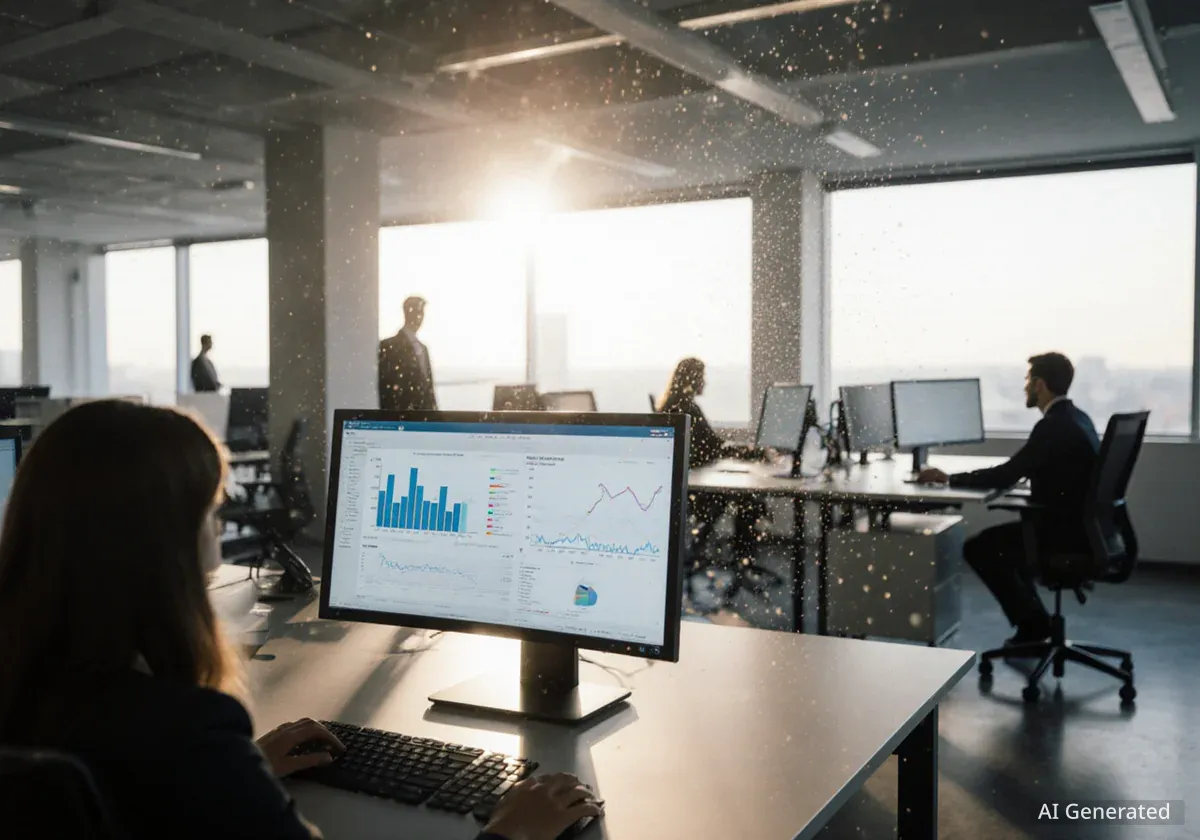
Retailers are now investing heavily in advanced analytics and artificial intelligence to better predict and respond to these disruptions. By analyzing weather data, they can adjust inventory levels, reroute shipments, and manage stock more effectively. For example, a home improvement store might increase its stock of generators and plywood in advance of a predicted hurricane season.
Data-Driven Decisions
According to industry reports, retailers using advanced weather analytics have seen a 15-20% improvement in demand forecasting accuracy for weather-sensitive products, reducing both overstock and out-of-stock situations.
Weather also has a direct and immediate impact on consumer behavior. An unseasonably warm winter can decimate sales of coats and boots, while a rainy summer can boost indoor shopping and online sales. This forces retailers to be more flexible with their marketing and promotional calendars, moving away from rigid seasonal plans toward more dynamic, responsive strategies.
As consumers become more aware of these connections, their purchasing decisions are also adapting. There is a growing demand for durable, all-weather apparel, energy-efficient home appliances, and locally sourced food that is less susceptible to long-distance shipping disruptions. Ultimately, the power of weather is teaching both retailers and consumers a crucial lesson in resilience and adaptability.