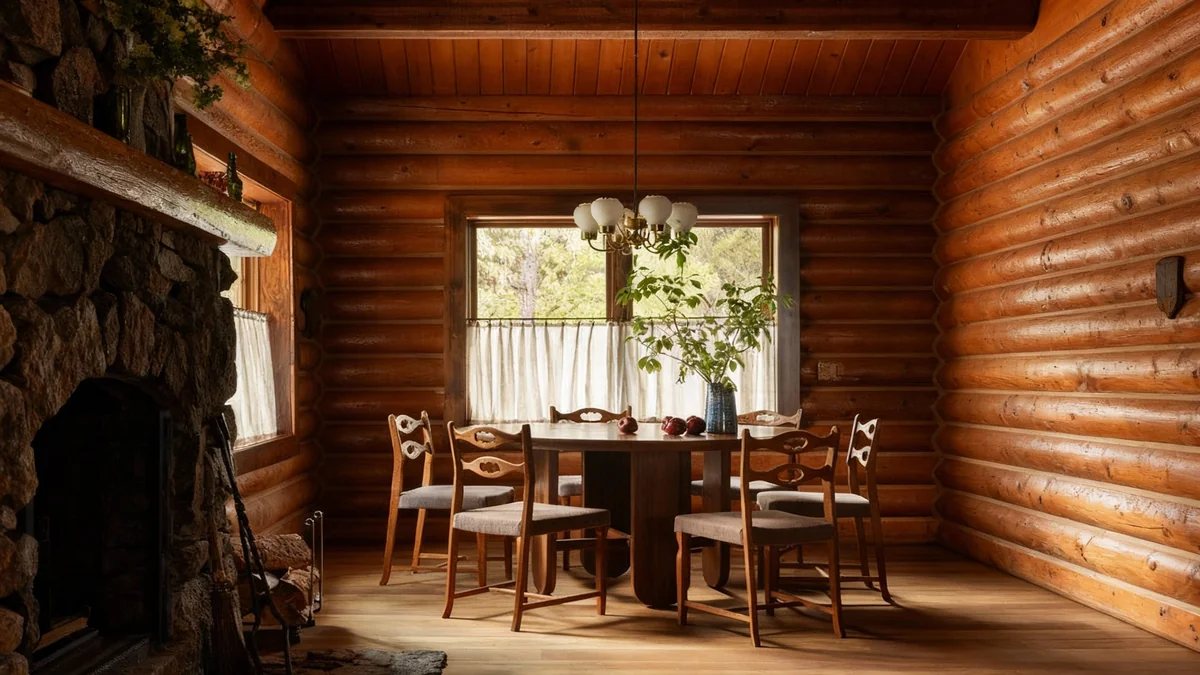
A design element once considered a relic of the past is making a significant comeback in the real estate market. Real estate agents report that wood paneling, long associated with mid-century homes, has become a highly desirable feature for homebuyers heading into 2026, signaling a broader shift toward natural textures and timeless character in interior design.
This resurgence is not about recreating dated basements but about embracing the warmth and architectural interest that wood brings to a space. From accent walls to integrated cabinetry, modern interpretations of this classic feature are capturing the attention of a new generation of buyers who value authenticity and a connection to nature within their homes.
Key Takeaways
- Real estate professionals have identified wood paneling as a top requested vintage feature for homebuyers in 2025 and 2026.
- The trend favors modern styles like vertical, fluted, and built-in paneling over outdated designs like traditional shiplap.
- Buyers are drawn to wood paneling for the warmth, texture, and sense of permanence it adds to a home.
- Other retro features, including exposed beams, built-in nooks, and dark wood cabinetry, are also gaining popularity.
The Modern Appeal of a Classic Material
The return of wood paneling is driven by a desire for homes with depth and personality. According to industry experts, buyers are increasingly looking for features that make a house feel unique and established, moving away from the minimalist, all-white interiors that dominated design for years.
Taylor Lucyk, owner of The Taylor Lucyk Group, notes that buyers appreciate the immediate sense of comfort it provides. "Buyers are loving it for the warmth, character, and depth it brings to a space," he explains. This sentiment is echoed by other professionals who see the trend as part of a larger movement towards naturalism in home design.
The connection to the outdoors is a significant factor. Tamara Mattox-Kabat, a real estate agent with Redfin Powered by Rocket, points out the psychological benefit. "People love the idea of 'letting the outside in,' and natural wood tones like walnut, cedar and smoked oak do that beautifully," she says. "These shades add depth and a sense of richness into the space."
Beyond the Accent Wall: Today's Paneling Styles
Forget the dark, heavy paneling of the 1970s. The styles captivating today's market are refined, modern, and versatile. Instead of covering entire rooms, paneling is now used more strategically to add architectural interest and define spaces.
Vertical and Fluted Designs
One of the most popular applications is vertical paneling. This style uses thin strips of wood arranged vertically to create a clean, linear effect. "It draws the eye upward and makes a room feel taller and more refined," Mattox-Kabat states. "It adds character and visual interest without overwhelming the space."
Fluted panels, which feature a series of concave grooves, are also in high demand. Often used on half-walls or as an accent behind a bed or sofa, this textured look adds a sophisticated, sculptural element to a room. According to Lucyk, these paneled accent walls are especially popular in new construction, making a room feel "more inviting and thoughtfully designed."
Shiplap's Changing Role
While technically a form of wood paneling, the ubiquitous shiplap of the modern farmhouse era is fading from prominence. Real estate agents say buyers now see it as slightly dated for primary living spaces. However, it's finding a new, more functional role in utility areas like mudrooms and laundry rooms.
Integrated and Functional Paneling
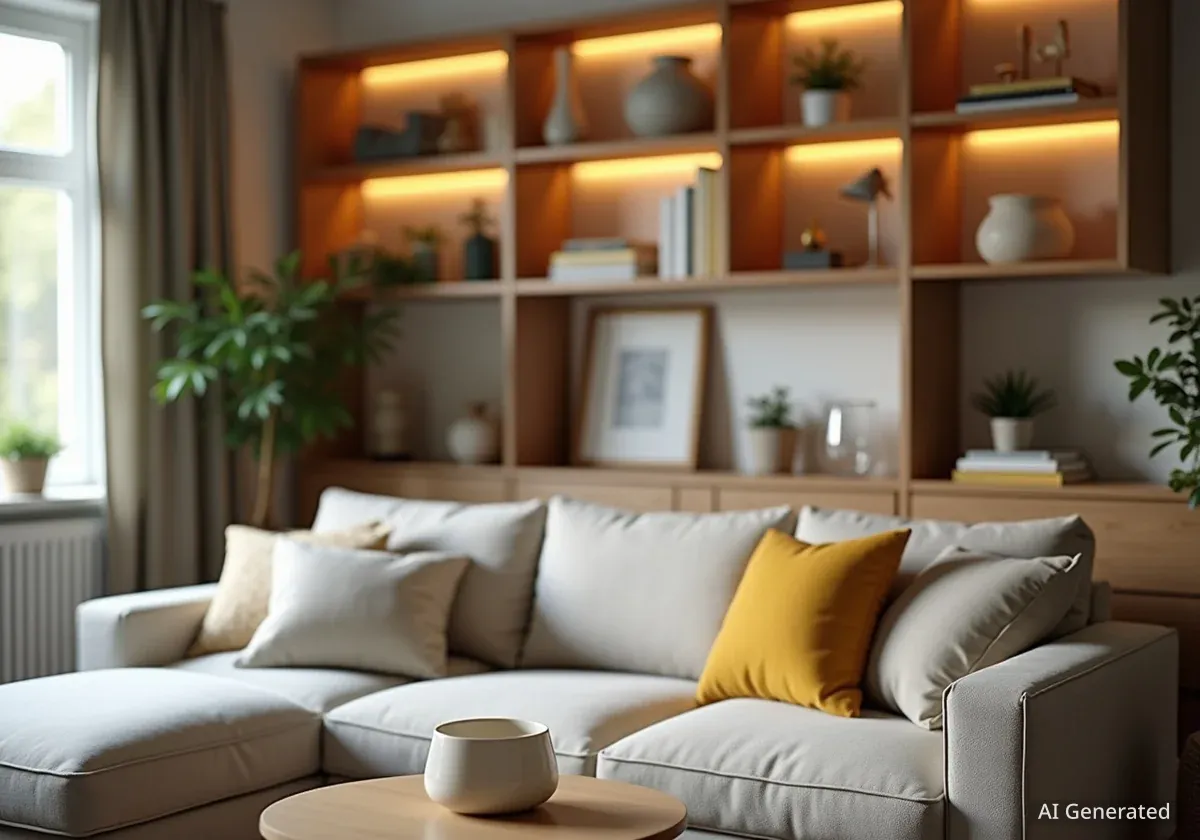
Homebuyers are also showing strong interest in wood paneling that serves a purpose beyond decoration. Mattox-Kabat has observed a trend of integrating paneling into functional home features.
"Instead of a simple accent wall, they are adding bookshelves and storage so that the feature feels both functional and beautiful."
This approach allows the natural beauty of the wood to shine while providing practical solutions for modern living. Repurposing existing paneling into built-in cabinetry or shelving is a clever way to update the look while preserving the home's original character.
A Return to Timeless and Enduring Design
One of the core reasons for wood paneling's revival is its perceived permanence and quality. In a world of fast-changing trends, buyers are attracted to materials that suggest durability and a connection to history.
David A. Palmieri, a licensed associate real estate broker with Corcoran, emphasizes this point. "Paint colors or wallpapers come and go as trends," he says. "Classic wood paneling styles have a timeless quality that suggests durability and an enduring style. Buyers love when a home has a storied past."
The natural grain and texture of wood provide a depth that flat, painted walls cannot replicate. This tactile quality makes a space feel more grounded and authentic, an appealing attribute for those seeking a sanctuary from a busy, digital world.
What's Driving the Retro Revival?
The renewed interest in wood paneling is part of a broader trend of buyers embracing retro and vintage home features. This movement reflects a desire for individuality and craftsmanship over mass-produced, generic design. Features that tell a story or show a high level of artisanal skill are becoming major selling points in the real estate market.
Other Vintage Features Making a Comeback
Wood paneling isn't the only retro feature capturing the hearts of homebuyers. Several other design elements from past decades are being re-embraced for their charm and functionality.
Real estate agents are seeing increased demand for the following:
- Exposed Beams: Much like paneling, exposed wooden beams add architectural character and a rustic, cozy feel to living spaces and kitchens.
- Built-in Dining Nooks: These cozy, space-saving features are becoming popular again as homeowners move away from formal dining rooms. "They open up the floor plan while still creating a cozy gathering space," says Mattox-Kabat.
- Dark Wood Cabinetry: The light and airy kitchen is giving way to warmer, richer tones. Honey oak, walnut, and other dark wood cabinets are returning, offering a sophisticated and inviting look.
- Arches and Curves: Soft, curved doorways and arched windows are replacing sharp, modern lines, adding a touch of classic elegance.
- Roman Plaster: This artisanal wall finish adds texture and a handcrafted feel. "This is a reaction against the flat, modern feel," Palmieri explains, noting its ability to add depth and an artisanal look.
As the market evolves, it's clear that homebuyers in 2026 are looking for more than just a house; they are seeking a home with soul, character, and a timeless appeal that modern interpretations of vintage features like wood paneling can provide.