
Los Angeles's Measure ULA, often called the 'mansion tax,' has not delivered on its promise to fund affordable housing and tenant assistance. Approved by voters in 2022, the measure aimed to generate nearly $1 billion annually by taxing high-value property sales. However, four years later, city officials acknowledge that the policy has produced less revenue than expected and has actively hindered new housing development.
Key Takeaways
- Measure ULA collects significantly less revenue than projected.
- The tax discourages essential property transactions for new housing.
- It applies to all property types, not just luxury homes, affecting multifamily units.
- The tax's structure creates sharp financial disincentives at specific price points.
- Measure ULA may generate negative net revenue when accounting for lost property taxes.
Measure ULA's Unintended Consequences
City Councilmember Nithya Raman, an initial supporter of Measure ULA, recently introduced a motion to amend the tax. She warned that the measure has led to "unintended consequences" by "stalling housing production." Raman stated that the tax "ultimately undermines the very goals voters asked us to achieve." This admission from a key advocate highlights a growing concern within the city.
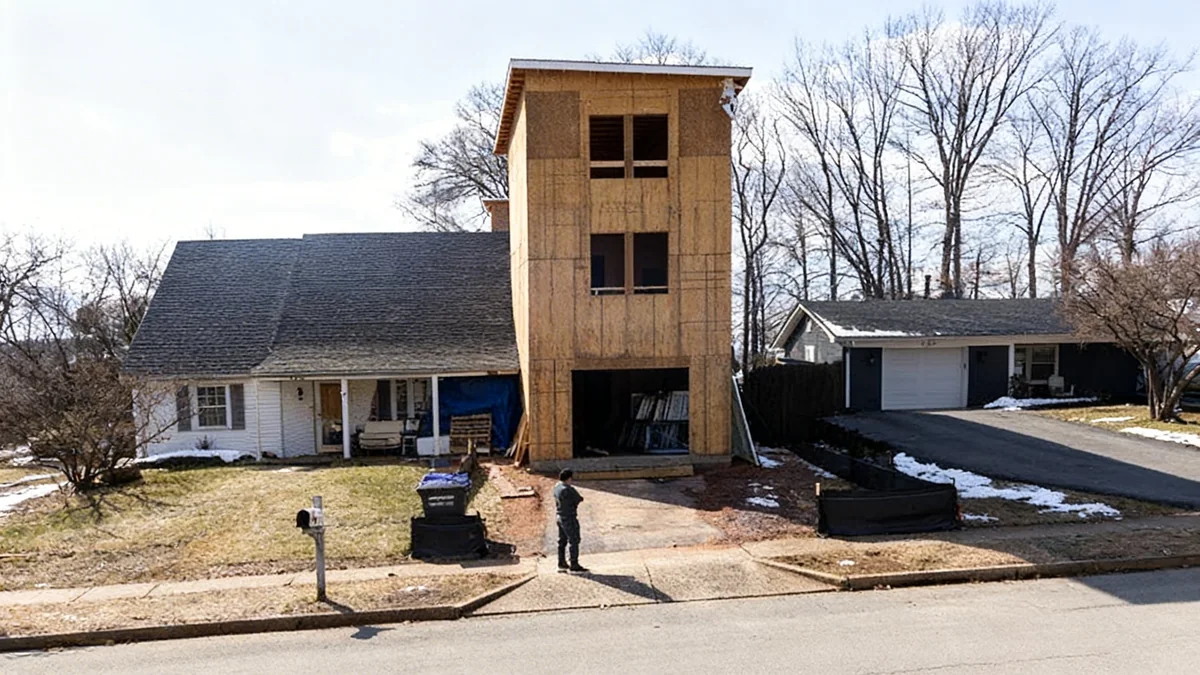
The core issue is that Measure ULA has raised far less money than anticipated. It has also discouraged the very property transactions necessary for new housing, especially multifamily developments. Los Angeles intended to tax its way to affordability but has instead exacerbated its housing shortage.
Fact Check: Revenue Shortfall
Supporters projected Measure ULA would generate between $600 million and $1.1 billion annually. In reality, it has brought in only $280 million to $350 million per year. This represents a significant shortfall, impacting the city's ability to fund housing programs.
How the Tax Works
Measure ULA imposes a 4 percent tax on property sales valued between $5 million and $10 million. For sales exceeding $10 million, the tax rate jumps to 5.5 percent. This is in addition to the city's standard 0.46 percent transfer tax. While other cities have similar rates, Los Angeles applies them at relatively low thresholds and across a broad spectrum of property types, making it one of the most burdensome transfer taxes nationwide.
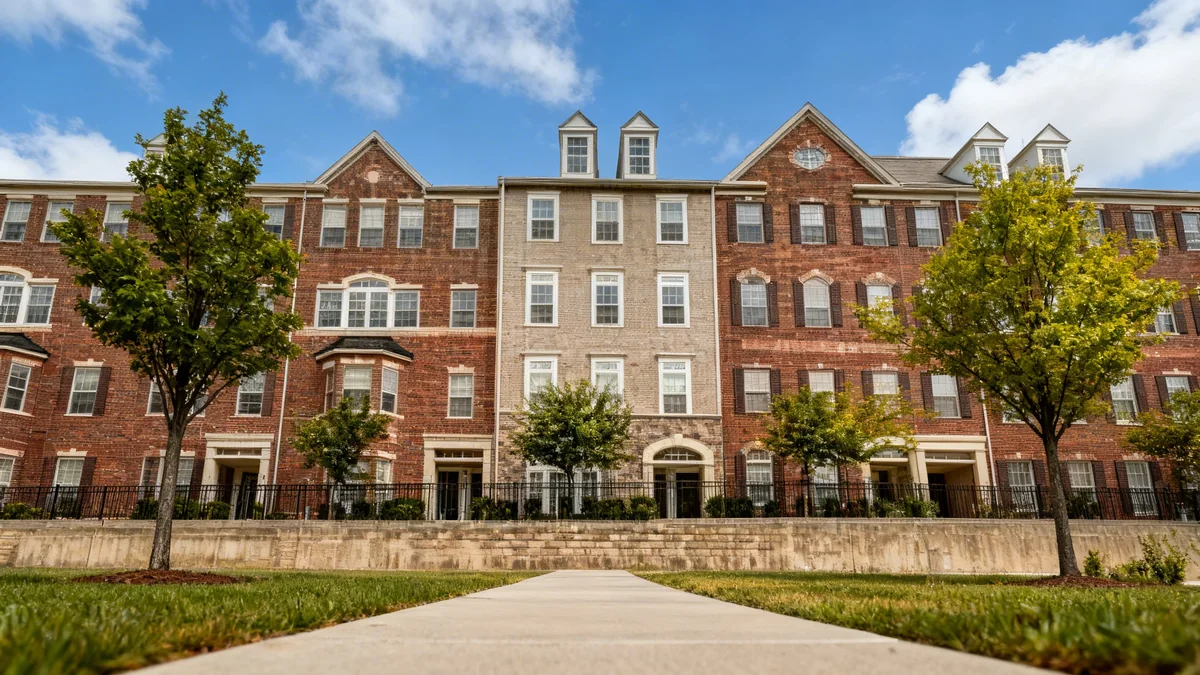
The "mansion tax" label is misleading. Measure ULA affects all property types: luxury single-family homes, apartment buildings, mixed-use developments, commercial properties, industrial sites, and redevelopment parcels. In Los Angeles, most new housing comes from redeveloping existing properties. This means large multifamily properties, which often sell for more than $5 million, fall under the tax's scope.
The Problem with Tax Notches
The tax design is also crude. Unlike other transfer taxes, Measure ULA is not marginal. A property selling for $4.99 million incurs no surcharge. However, a sale of $5.01 million triggers a tax bill exceeding $200,000. A property selling for over $10 million faces a bill of at least $550,000. These sharp "notches" discourage transactions near the thresholds, particularly for large parcels and multifamily properties most likely to cross them. Fewer transactions mean fewer redevelopment projects and, consequently, fewer new housing units.
"Measure ULA stalls housing production and ultimately undermines the very goals voters asked us to achieve," stated Councilmember Nithya Raman.
Economic Burden and Reduced Supply
Transfer taxes are politically attractive because they are largely hidden, paid at the point of sale, and seemingly by wealthy sellers. However, their economic effects are felt much earlier. Developers consider the tax when assessing project feasibility. Buyers reduce their offers, and sellers demand higher prices. Some projects no longer make financial sense, while others are never proposed at all.
The economic burden of this tax does not solely fall on wealthy sellers. It spreads to buyers, renters, and future residents through reduced housing supply. These consequences are not theoretical. Researchers at UCLA’s Lewis Center for Regional Policy Studies have identified a clear link between Measure ULA and reduced housing development.
Background: Housing Shortage
Los Angeles faces a severe housing crisis. The city desperately needs new housing units to address affordability and homelessness. Policies that inadvertently reduce housing supply directly worsen this ongoing challenge.
A study comparing transactions inside Los Angeles with those just outside city limits found that the tax has reduced multifamily housing production by at least 1,910 units per year. This represents an 18 percent decline compared to pre-ULA averages. The tax directly contradicts the city's stated goal of increasing housing availability.
Fiscal Impact Beyond Collections
The fiscal picture is even more complex. While Measure ULA has generated between $280 million and $350 million annually, these figures may overstate the net fiscal effect. This is due to an interaction with California's Proposition 13.
Proposition 13 limits property tax increases until a property changes hands. At that point, assessments reset to market value. For example, a home bought decades ago for $1 million might now be worth over $5 million. Under Prop 13, it continues to be taxed near its original assessed value. If sold, its assessment resets, and the city collects taxes on the full market value.
Key Statistic: Transaction Drop
Researchers from Harvard, UC San Diego, and UC Irvine estimate that Measure ULA reduced eligible property transactions in Los Angeles by 38 percent.
However, if Measure ULA discourages sales, the city forfeits that potential new revenue indefinitely. This structure has long constrained municipal revenue, prompting cities to seek alternatives like transfer taxes. By discouraging sales, Measure ULA reduces these reassessments. The two measures combined can significantly impact municipal income.
A recent analysis by researchers at Harvard, UC San Diego, and UC Irvine quantifies this effect. The study estimates that between 63 and 138 percent of the revenue generated by Measure ULA was offset by lower future property tax revenue. This means that when accounting for forgone property taxes, Measure ULA may actually result in negative net revenue for the city.
The Path Forward
Transfer taxes are economically inefficient because they discourage taxable transactions. In housing markets, these transactions are vital. They allow properties to move to higher-value uses, enable new development, and, under California's tax system, generate the property tax reassessments that fund local services. By treating a new 50-unit apartment building the same as a Bel Air mansion, Measure ULA suppresses both housing supply and local property tax revenue.
Councilmember Raman's proposed reform sought to exempt new apartments, condos, and commercial projects from the transfer tax for 15 years after construction. This modest carve-out aimed to stimulate housing development. However, the city council declined to take up her measure directly, referring it instead to the Housing and Homelessness Committee for further review.
Los Angeles faces a critical decision. It can continue with a policy that, despite its progressive intent, works against its stated goals. Alternatively, the city can acknowledge the evidence: blunt taxes on housing transactions reduce supply and thwart affordability. For a city in desperate need of housing, this choice should be clear.