Hundreds of Philadelphia residents live in constant fear, their homes standing next to vacant, decaying properties at risk of collapse. For families like Emily Phillips in North Philadelphia, a simple slammed door could trigger a catastrophe, as the city struggles to manage a growing crisis of dangerous buildings.
An investigation reveals that the city's system for tracking and addressing these hazardous properties has faced significant challenges, leaving many residents feeling abandoned and unsafe in their own homes. This situation unfolds against a backdrop of a downtown construction boom, creating a stark contrast between new luxury living and neglected neighborhood decay.
Key Takeaways
- Hundreds of Philadelphia homes are adjacent to buildings officially labeled "imminently dangerous" and at risk of collapse.
- A city tool designed to proactively identify deteriorating vacant buildings is no longer in use by the Department of Licenses and Inspections (L&I).
- Nearly 80% of these dangerous vacant rowhouses are located in the city's poorest ZIP codes, with a high concentration in predominantly Black neighborhoods.
- While dangerous properties decay, Center City has added 3,500 new luxury apartments since 2023, attracting a younger, higher-income demographic.
Living on the Edge of Collapse
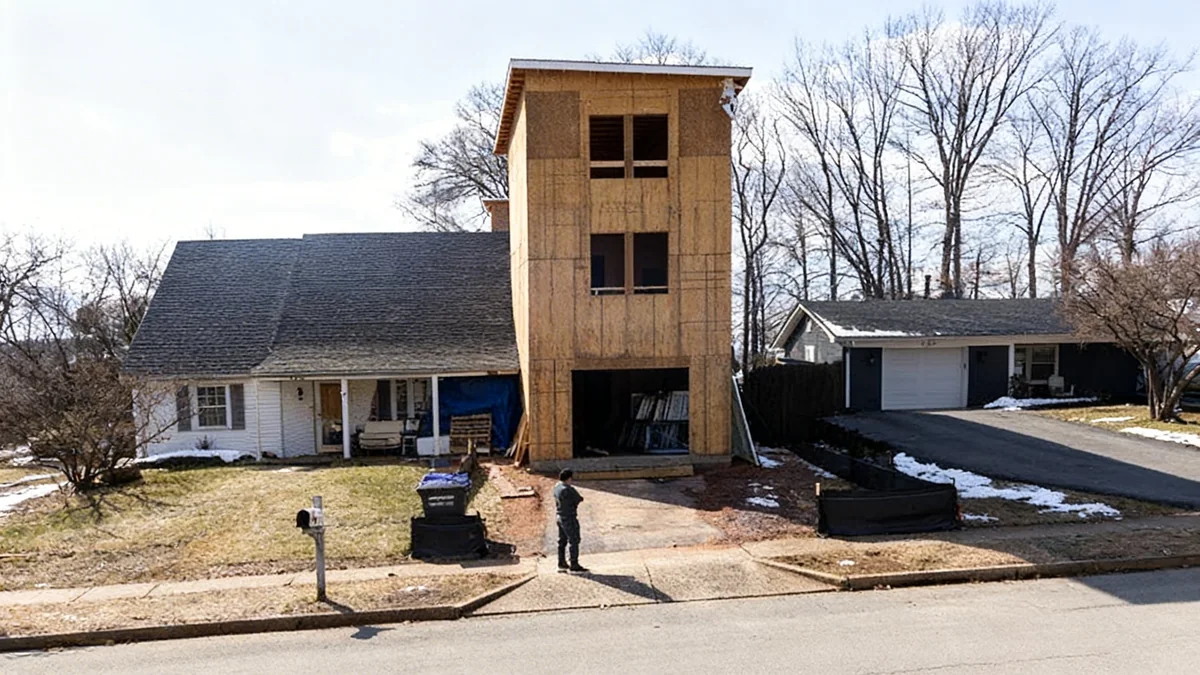
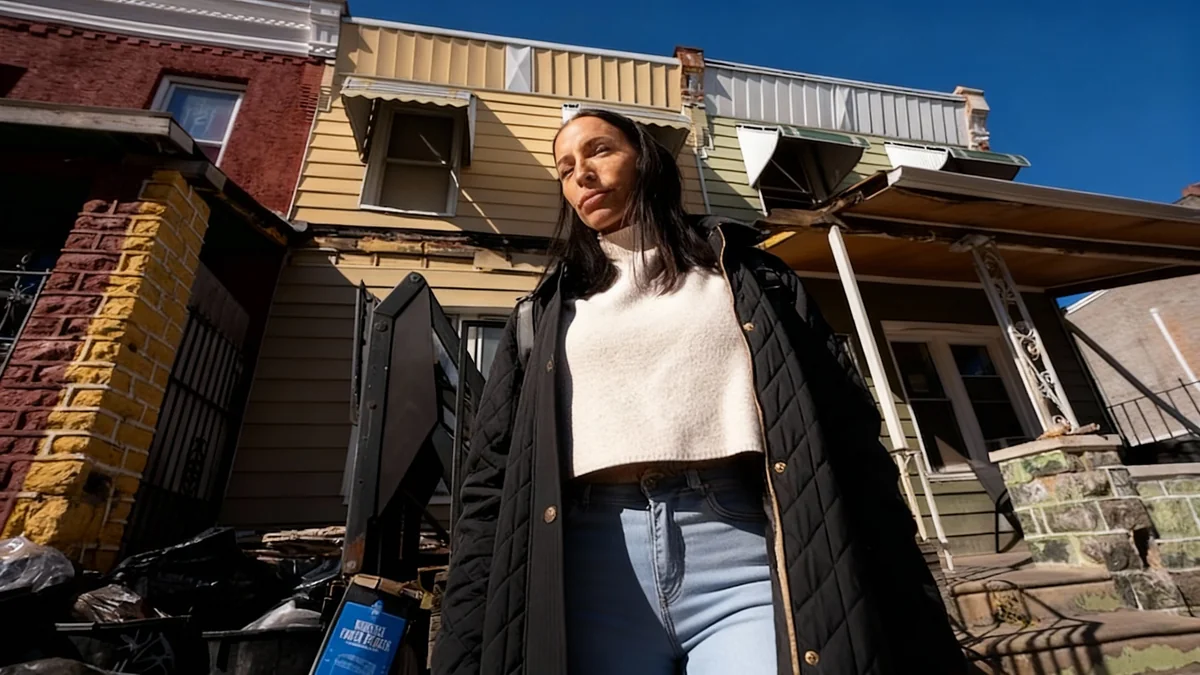
For Emily Phillips and her family, home is a place of anxiety. The North Philadelphia rowhouse they moved into is attached to a vacant property with a gaping hole in its rear wall and a tree growing inside. Four months ago, the city designated the neighboring structure "imminently dangerous," meaning it could collapse at any moment.
"We are afraid that something as simple as a slammed door could send the rowhouse next door crashing down," Phillips explained, voicing a fear shared by many in her position. When residents report these dangers, they often face a frustrating lack of communication, leaving them to worry in the dark about their family's safety.
The problem is not isolated. Across Philadelphia, families are caught in a slow-motion crisis, waiting for action as the vacant building next door crumbles. The situation gained renewed attention following a collapse in the Sharswood neighborhood, prompting a deeper look into how the city manages its vast inventory of vacant properties.
A City's Troubled Tracking System
Investigations into the Department of Licenses and Inspections (L&I) found that the agency stopped using a predictive tool it once promoted as a way to be more proactive. This tool was designed to help officials identify deteriorating buildings before they became an immediate public threat. The discontinuation of this system raises questions about the city's ability to get ahead of the problem.
A Pattern of Neglect in Vulnerable Neighborhoods
The distribution of these dangerous buildings is not random. Data reveals a troubling pattern of concentration in the city's most vulnerable communities. An analysis shows that predominantly Black areas of Philadelphia are disproportionately affected by the presence of vacant and dangerous rowhouses.
Nearly eight in 10 vacant and dangerous rowhouses are located within the poorest 25% of the city’s ZIP codes. This stark statistic highlights how the burden of municipal neglect falls heaviest on low-income communities.
This geographic disparity means that residents with the fewest resources to move or make significant repairs are the ones most exposed to risk. The cycle perpetuates neighborhood blight and creates an environment of instability and fear, directly contrasting with the rapid development seen in other parts of the city.
A Tale of Two Cities: Decay and Development
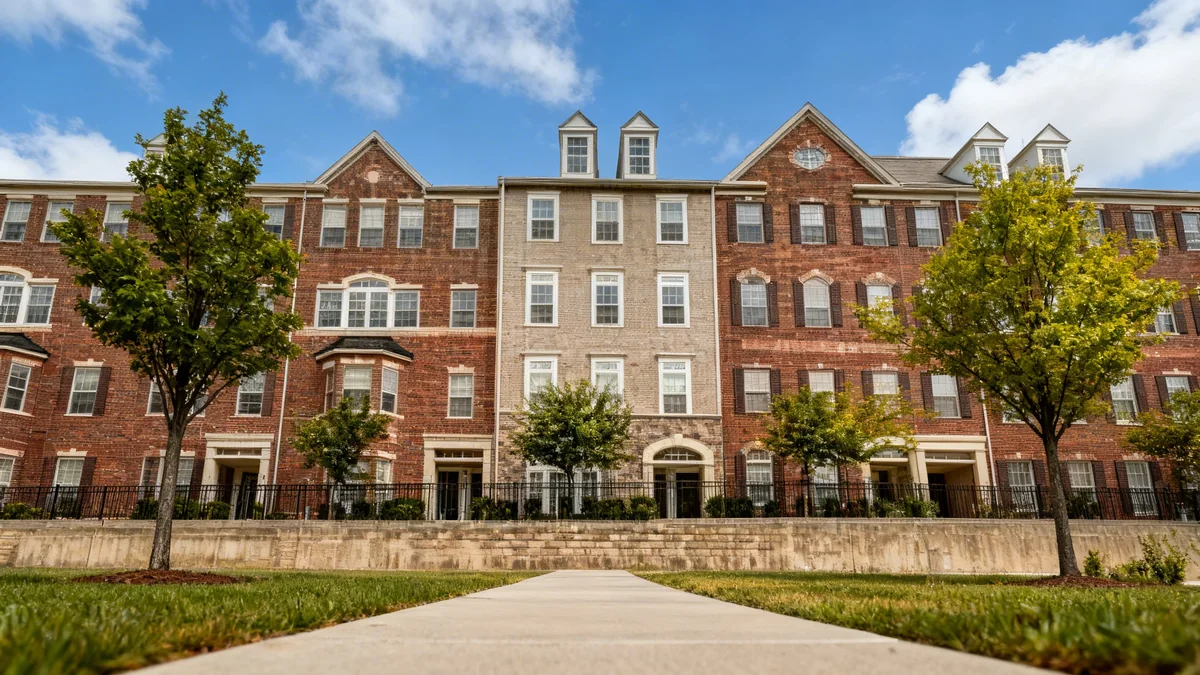
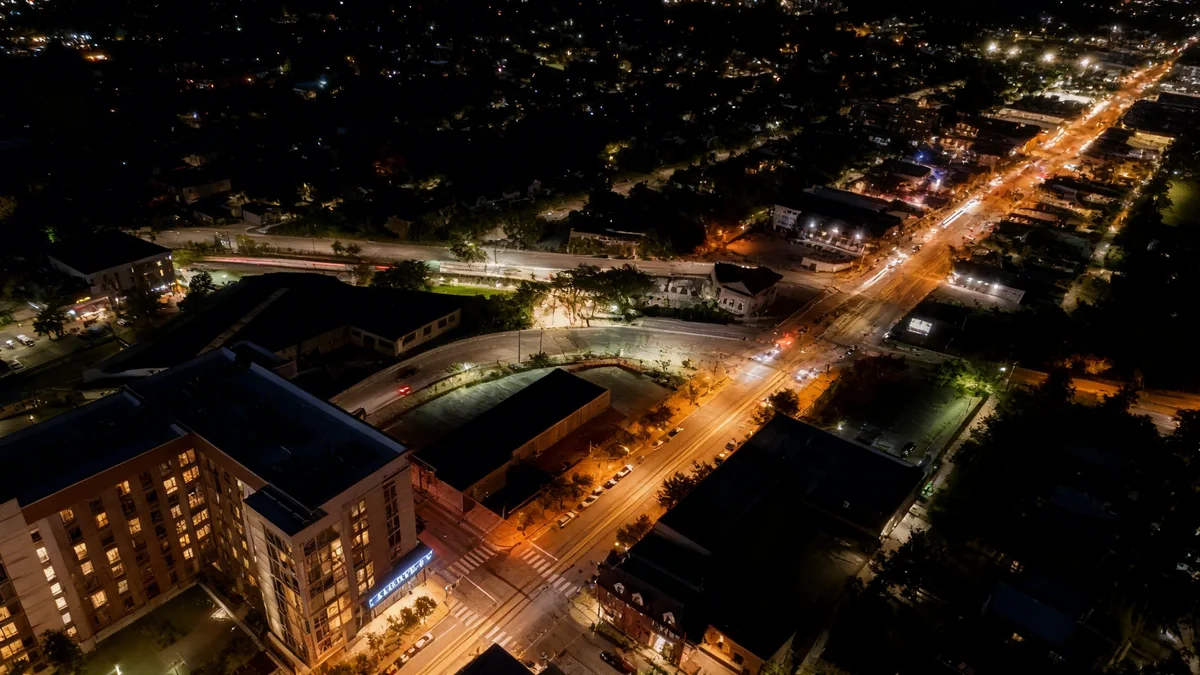
While neighborhoods grapple with decaying infrastructure, a different story is unfolding in Center City. Since 2023, an incredible 3,500 new apartments have opened in the area between Pine and Vine Streets, from the Schuylkill to the Delaware River. This boom reflects a strong demand for modern, high-end rental housing.
A recent survey of residents in these new downtown buildings paints a clear picture of who is moving in:
- Age: The majority of new renters are between 25 and 34 years old.
- Income: They pay significantly more in rent than the typical Philadelphia renter.
- Occupation: Nearly a third of these new residents work in a single industry, signaling a demographic shift tied to specific economic sectors.
- Origin: While many are local, a growing number of renters are transplants from more expensive cities like New York, drawn to Philadelphia's relative affordability and amenities.
This influx of young, affluent professionals is reshaping the city's core. However, it also throws the neglect in other neighborhoods into sharper relief. The investment pouring into luxury high-rises is not reaching the communities struggling with basic safety issues posed by vacant properties.
The Broader Housing Market Picture
The contrast is also visible in the wider regional housing market, which showed signs of caution in recent months. According to data from the multiple listing service Bright MLS, the Philadelphia metro area experienced a slowdown, reflecting broader economic uncertainty.
November Market Snapshot
Last month, the number of closed home sales in the Philadelphia metro area was 4,754, a decrease of about 4% compared to the same time last year. At the same time, the number of homes on the market grew. There were 11,685 properties actively listed for sale, an increase of nearly 8% from the previous year. This suggests that properties are taking longer to sell.
"Even with somewhat lower mortgage rates, homebuyers and sellers are still very cautious. Economic uncertainty and ongoing affordability challenges remain the biggest constraints on the Mid-Atlantic housing market." - Lisa Sturtevant, Chief Economist at Bright MLS.
Despite the slowdown in sales volume, prices have remained resilient. The median sale price in the region reached $390,000, up more than 3% from last year. This continued price growth, coupled with economic pressures, makes homeownership difficult for many, including essential workers. A recent report found that a typical retail worker in the Philadelphia area would need to earn significantly more to afford the average apartment rent, further highlighting the city's affordability crunch.
As the city navigates these complex housing dynamics—from luxury booms to market slowdowns—the urgent problem of dangerous vacant properties remains a critical safety issue for thousands of its long-term residents, who are still waiting for a solution.