A significant shift is underway in the U.S. housing market as homebuyers increasingly favor practical, sustainable, and adaptable living spaces over the large, status-oriented homes that dominated two decades ago. Bolstered by improving affordability and lower mortgage rates, today's buyers are redefining what makes a house a desirable home, prioritizing personal well-being, energy efficiency, and long-term resilience.
This evolution reflects a broader cultural change where the home is no longer just a symbol of prosperity meant to impress others, but a personal sanctuary designed for the rhythms of everyday life. From bold interior colors to built-in wellness amenities, the features commanding top dollar today are starkly different from the must-haves of the mid-2000s.
Key Takeaways
- Homebuyer preferences have moved away from large, formal "McMansions" toward smaller, more functional homes.
- Wellness, sustainability, and climate resilience are now major drivers of home value.
- Features like EV chargers, home battery systems, and spa-like bathrooms are increasingly sought after.
- Bold, personal interior design choices are replacing the neutral palettes popular in the mid-2000s.
- Lower mortgage rates are improving affordability and increasing homebuyer activity in the market.
The Current Housing Market Landscape
The backdrop for this change in consumer taste is a more favorable financial environment for prospective buyers. Mortgage rates have seen a notable decline, easing the pressure of affordability that has sidelined many in recent years. As of mid-February 2026, the average 30-year fixed-rate mortgage stands at 6.09%, a significant drop from the 6.87% average seen a year prior.
Similarly, the 15-year fixed-rate mortgage has decreased to 5.44% from 6.09% over the same period. This relief in borrowing costs is energizing the market. According to Freddie Mac chief economist Sam Khater, the combination of strong economic growth and lower rates is making a measurable difference.
"These factors have caught the attention of many prospective homebuyers, driving purchase application activity higher than a year ago," Khater noted.
With more buyers entering the market, their collective priorities are reshaping demand and signaling to builders and sellers what the home of the future looks like.
From McMansions to Mindful Living
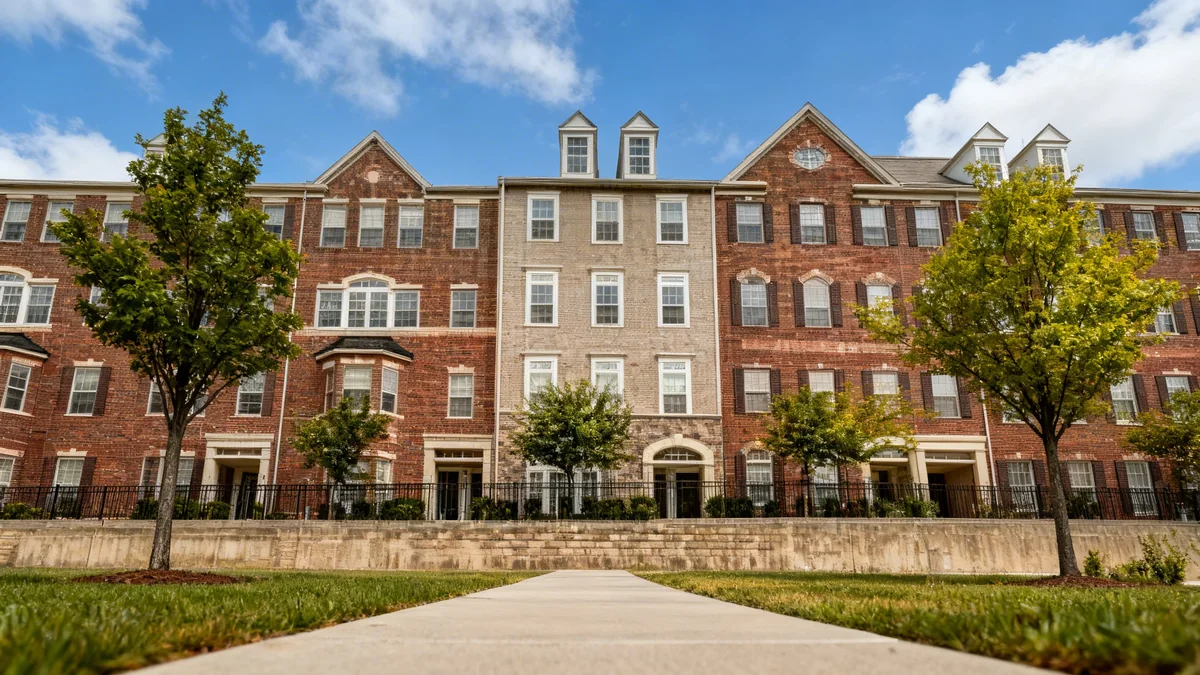
Twenty years ago, the housing market was at the peak of the "McMansion" era. Homes built in the mid-2000s were designed to project an image of success from the curb. They often featured dramatic two-story foyers, decorative columns, and complex rooflines.
A Look Back at 2006 Home Trends
The typical high-end home in 2006 was defined by specific features:
- Formal Spaces: Listings heavily promoted formal living and dining rooms, which were often reserved for special occasions.
- Status Upgrades: Home theaters and oversized primary suites with Jacuzzi tubs were considered essential luxury items.
- Interior Finishes: Polished granite countertops, dark cherry cabinets, and oil-rubbed bronze fixtures were standard in kitchens and bathrooms.
- Color Palette: Neutral tones like beige and tan, such as Pantone's 2006 Color of the Year "Sand Dollar," dominated interiors.
Today, the focus has pivoted dramatically from impressing guests to supporting the occupants' daily lives. Buyers are now looking for homes that serve as personal sanctuaries—spaces that are flexible, comfortable, and aligned with their values.
"If the past 20 years transformed homes from status symbols into personal sanctuaries, the next 20 will be about adaptability," said Amanda Pendleton, a home trends expert. "We expect future homes to be more flexible, resilient and deeply personal."
The New Must-Have Home Features for 2026
The shift in priorities is evident in the features that are now appearing more frequently in property listings and commanding higher prices. The emphasis is on personalization, wellness, and sustainability.
Personalization and Bold Design
The era of beige is over. Homeowners are embracing bold, expressive colors to make their spaces feel unique. A design trend known as "color drenching"—painting walls, trim, and even the ceiling in a single, saturated hue—has seen a 149% increase in mentions in property listings. Analysis shows that homes with darker, moodier colors like olive green, navy blue, and charcoal gray often sell for more than homes with plain white walls.
Wellness Moves In-House
Activities once exclusive to gyms and spas are now integrated into the home. The concept of the "man cave" is being replaced by versatile spaces for recreation and health. Listings mentioning "spa-like bathrooms" are up 22%. More specialized amenities are also on the rise, with mentions of pickleball courts and golf simulators each increasing by 25%.
Sustainability Drives Value
Energy efficiency is no longer an afterthought but a primary selling point. Modern buyers understand that a sustainable home offers long-term savings and a smaller environmental footprint.
- Listings mentioning zero-energy-ready homes have surged by 70%.
- Mentions of whole-home battery systems are up 40%.
- The presence of an EV charging station appears 25% more often in listings.
Building for a Changing Climate
Beyond energy savings, buyers are increasingly concerned with a home's ability to withstand environmental challenges. As climate events become more common, features that enhance a home's resilience are gaining traction. This includes everything from flood-mitigation systems in coastal areas to fire-resistant building materials in regions prone to wildfires. Buyers are planning for the long term, seeking homes built not just for today, but for the decades to come.
Functionality and Affordability Reign Supreme
Perhaps the most significant change is the move toward smaller, more efficient homes. With affordability as a key concern, buyers are recognizing that larger properties come with higher costs for heating, insurance, and general upkeep. Consequently, new construction is trending smaller.
Since 2018, both the average lot size and the square footage of new homes have noticeably decreased. This trend underscores the core message of the modern housing market: buyers want homes that deliver more function, not just more space. The home of 2026 is smart, sustainable, and deeply personal—a true reflection of the people who live inside it.