The housing market in the greater Seattle area is showing signs of a significant shift, with the number of homes for sale jumping nearly 28% in February compared to the same time last year. This surge in inventory provides more options for potential buyers, even as the median sale price for homes and condominiums climbed to $620,000.
New data reveals a complex picture for the region's real estate landscape. While the number of active listings has grown substantially, closed sales saw a slight dip from the previous year. This suggests a market that is rebalancing as it heads into the traditionally busy spring season.
Key Takeaways
- Active housing listings in the Seattle region increased by nearly 28% year-over-year, reaching 13,341 properties in February.
- The median sale price hit $620,000, a 4.2% increase from January but a 1.6% decrease from February of last year.
- Investor activity has risen sharply, with Seattle seeing a 37% year-over-year increase in investor home purchases in the fourth quarter.
- New state housing laws encouraging denser development are creating new opportunities for both developers and smaller investors.
A Market in Transition
The latest figures from the Northwest Multiple Listing Service (NWMLS) highlight a market with distinct monthly and yearly trends. The median price of $620,000 in February marks a notable 4.2% increase from January's median of $595,000, indicating renewed momentum as the year progresses.
However, when compared to February 2025, the median price is down 1.6%. This year-over-year softness is also reflected in sales figures. A total of 4,139 homes were sold in February, which is a 3% decline from the same month last year. Despite this, the market showed strong month-over-month growth, with sales jumping 19.5% from the 3,465 transactions recorded in January.
February Market Snapshot
- Active Listings: 13,341 (Up 28% year-over-year)
- Median Price: $620,000 (Up 4.2% from January)
- Closed Sales: 4,139 (Up 19.5% from January)
According to Steven Bourassa, director of the Washington Center for Real Estate Research, recent monthly gains suggest market activity is picking up. He noted that while lower mortgage rates haven't yet spurred a year-over-year sales increase, the uptick in listings, sales, and prices from January points to a more active spring market.
Sellers Re-enter the Fray
The most significant change is the dramatic rise in available homes. Active listings climbed 7.8% from January and nearly 28% from the previous year. This increase was widespread, with nearly all counties tracked by the NWMLS reporting inventory growth.
Some of the largest increases were seen in Jefferson County (up 70.3%), Adams County (69%), and Snohomish County (50.2%). This indicates that sellers are no longer waiting on the sidelines for ideal conditions.
“Listings continue to increase year over year, up 28%, as sellers decide to move on with their lives rather than wait for better market conditions,” Bourassa explained.
This sentiment is coupled with a shifting mortgage environment. For the first time in over five years, national data shows that more U.S. homeowners have mortgage rates above 6% than below 3%. This reality may be motivating some homeowners who were previously locked into low rates to finally make a move.
Investors Target Seattle Market
Another powerful force shaping the Seattle market is a surge in investor interest. A recent report revealed that investor home purchases in Seattle increased by 37% year-over-year in the fourth quarter, the largest jump among major U.S. metropolitan areas. Nearby Portland followed with a 27% increase.
Experts suggest this trend is driven by Seattle's strong rental market. High home prices can make renting a more attractive option for residents, which in turn motivates landlords and investors to acquire property. Institutional investors, often making cash offers, have an advantage over traditional buyers in a competitive market.
New Laws Create New Opportunities
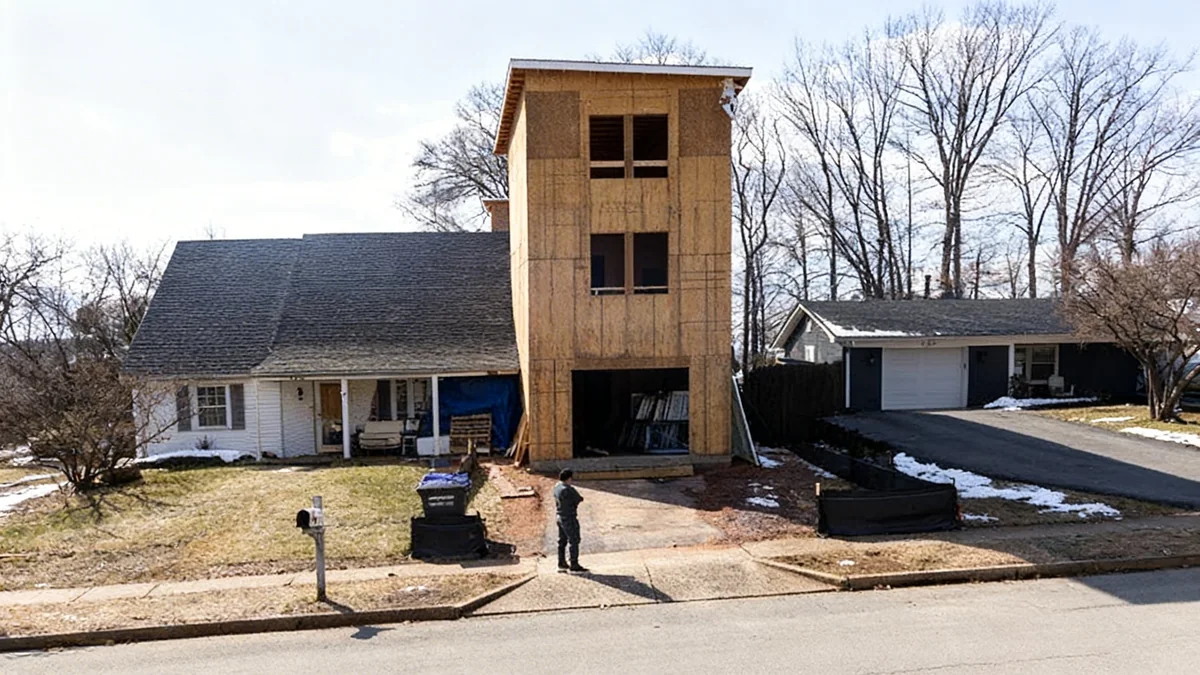
Washington's middle housing law is also playing a role. The legislation requires many cities to permit additional housing types, such as duplexes and triplexes, on lots that were previously zoned only for single-family homes. This has created new avenues for development and investment.
Daryl Fairweather, chief economist at Redfin, noted that Seattle's zoning changes are a significant draw. “Seattle has liberalized its zoning, making it easier to build more housing on a single-family lot,” she said. “That’s good news for investors willing to put in the work to build a duplex or add an ADU on the lot.”
This environment is appealing not only to large firms but also to smaller “mom-and-pop” investors. Fairweather added that Seattle's large population of high-income earners creates a pool of potential small-scale landlords looking to build wealth through real estate.
As the spring market unfolds, the combination of rising inventory, moderating prices, and strong investor interest will continue to shape the opportunities and challenges for homebuyers across the Puget Sound region.