Vermont's housing market is undergoing a significant shift, moving away from the fast-paced, seller-dominated conditions seen during the pandemic. While sellers maintain an advantage, buyers are now finding more room for negotiation and a greater selection of properties as inventory increases and homes remain on the market longer.
This cooling trend is marked by the decline of bidding wars and waived inspections, providing relief for many, especially first-time homebuyers. According to recent data, homes are now listed for an average of three months, a stark contrast to the rapid sales that defined the market just a few years ago.
Key Takeaways
- Vermont's real estate market is transitioning from a period of intense competition to a more balanced environment.
- Homes are staying on the market for an average of three months, giving buyers more time and negotiating power.
- Median home prices have increased by 92% over the past decade, significantly impacting affordability.
- The state faces a housing shortage, with a need to build over 41,000 new units by 2030 to meet demand.
- Despite the slowdown, Vermont homeowners have the highest levels of home equity in the United States.
A New Pace for the Housing Market
The frenetic pace of Vermont's real estate market, which peaked in 2021, has finally started to slow. Industry experts report that the era of homes selling within hours, often sight-unseen to out-of-state buyers, is largely over. Practices like escalation clauses and waived home inspections, which put buyers at a significant disadvantage, are becoming less common.
Timothy Daniska, the chief lending officer at Vermont Federal Credit Union, described the previous market conditions as difficult even for seasoned professionals. "We’re getting away from some stupid stuff that especially hurt first-time homebuyers," Daniska said, expressing relief at the market's normalization.
While the market is not yet balanced—a state typically defined by six months of housing supply—the current conditions represent a considerable improvement for prospective buyers. "It’s still a tight market, but buyers have more choice," explained Brian Boardman, a Realtor with the Brian Boardman Group.
The Impact of Mortgage Rates and Pricing
Fluctuating mortgage rates have played a crucial role in this market adjustment. The 30-year fixed rate rose from a historic low of 2.66% in 2020 to 7.04% this year, according to Freddie Mac. More recently, rates have settled between 5.41% and 6.26%, potentially encouraging more activity.
Sellers are also adjusting their expectations. David Rowell, principal broker at the Peter Watson Agency, noted a rise in "price improvements," where properties listed at a premium are discounted to attract buyers. It is now common to see price reductions of $15,000 to $30,000 on listings that have been on the market for several months.
"Buyers can wait, explore and negotiate. It’s a more fluid market."
– Kathy Sweeten, CEO of the Vermont Association of Realtors
The State of Home Prices and Affordability
Despite the recent slowdown, the cost of housing in Vermont remains a significant challenge. Over the last decade, average home sales prices have surged by an astonishing 92%, according to Maura Collins, executive director of the Vermont Housing Finance Agency (VHFA). A home that sold for $300,000 in 2015 would now be valued at approximately $576,000.
Vermont Leads in Homeowner Equity
According to a report from real estate data company ATTOM, Vermont has the highest percentage of equity-rich homeowners in the nation. Over 86% of Vermont homeowners have a loan-to-value ratio of 50% or less, meaning they owe less than half of their property's worth. This figure rises to 91% in Chittenden County, compared to the national average of 47%.
This dramatic increase in value has created substantial wealth for existing homeowners but has pushed homeownership out of reach for many others. "It used to be that only disabled and low-income Vermonters were disproportionately affected by housing costs. Now everyone is impacted," Collins stated.
Conflicting Data on Median Prices
Different sources provide varying perspectives on Vermont's median home prices, reflecting different methodologies:
- Vermont Association of Realtors: Reported a median sales price of $450,000 for single-family homes from January to August, with Chittenden County at $605,000. This data excludes private sales.
- Redfin: Puts the median statewide listing price higher at $495,000.
- VHFA: Using state property tax transfer data that includes all sales, the median home sold for $370,000 in the first half of the year, with the Chittenden County median at $500,000.
Addressing the Housing Shortage
At the core of Vermont's affordability problem is a severe housing shortage. A housing needs assessment conducted by the VHFA concluded that the state must build 41,184 new housing units by 2030 to alleviate the crisis. However, the state is currently on pace to construct only 12,203 units by that deadline.
This shortage has contributed to Vermont having the fourth-highest rate of homelessness in the nation, as reported by the U.S. Department of Housing and Urban Development.
Government Action on Housing Construction
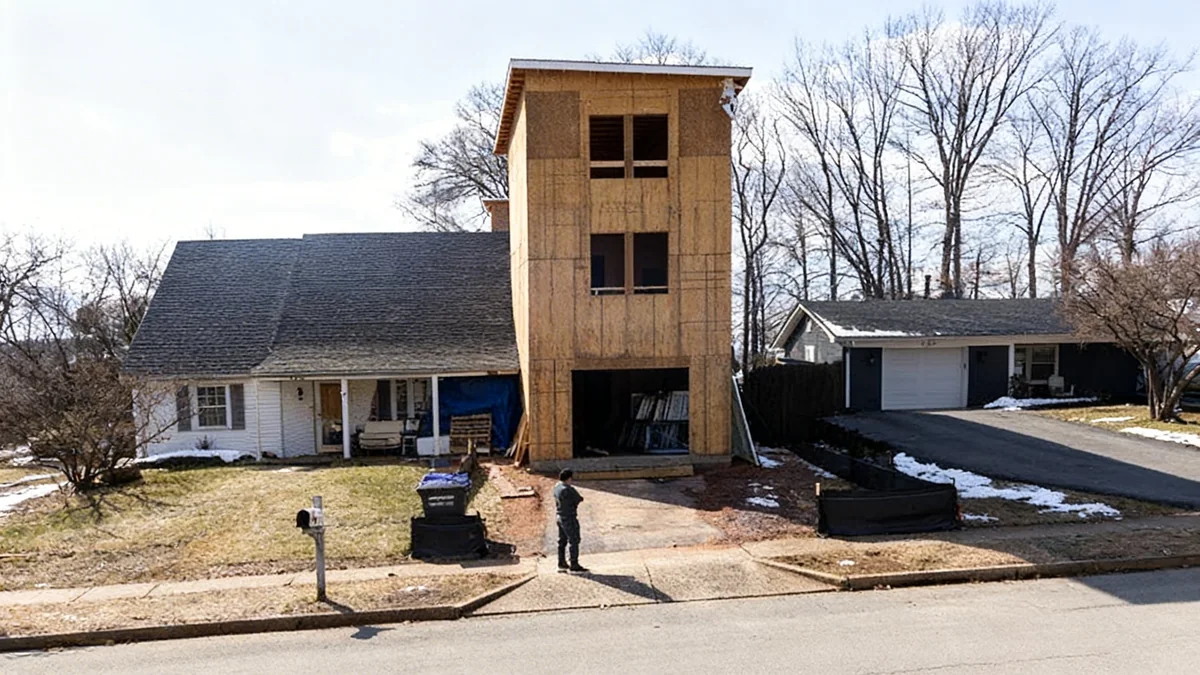
In response to the crisis, Governor Phil Scott signed an executive order in September aimed at reducing regulatory barriers to new construction. The order makes certain energy-efficiency standards voluntary, reverts insulation requirements to 2020 levels, and requires that construction permits be issued within a specific timeframe. The goal is to lower costs and remove uncertainty from the building process.
However, building new homes remains expensive. The median cost of a new home in Vermont has skyrocketed to $624,000, up from $388,000 in 2020, according to VHFA data. This makes it difficult to build affordable housing even with streamlined regulations.
The Outlook for Buyers and Sellers
For sellers, the market requires a more realistic approach to pricing. Properties that are older or in need of significant repairs are proving difficult to sell, especially given the shortage of available contractors and high material costs. "They have to be more realistic and need to adjust their expectations," said Kathy Sweeten of the Vermont Association of Realtors.
For buyers, particularly those entering the market for the first time, the situation remains challenging but is improving. The increased inventory and longer listing times provide opportunities for negotiation that were absent just a year ago. However, competition from out-of-state buyers with more purchasing power remains a factor.
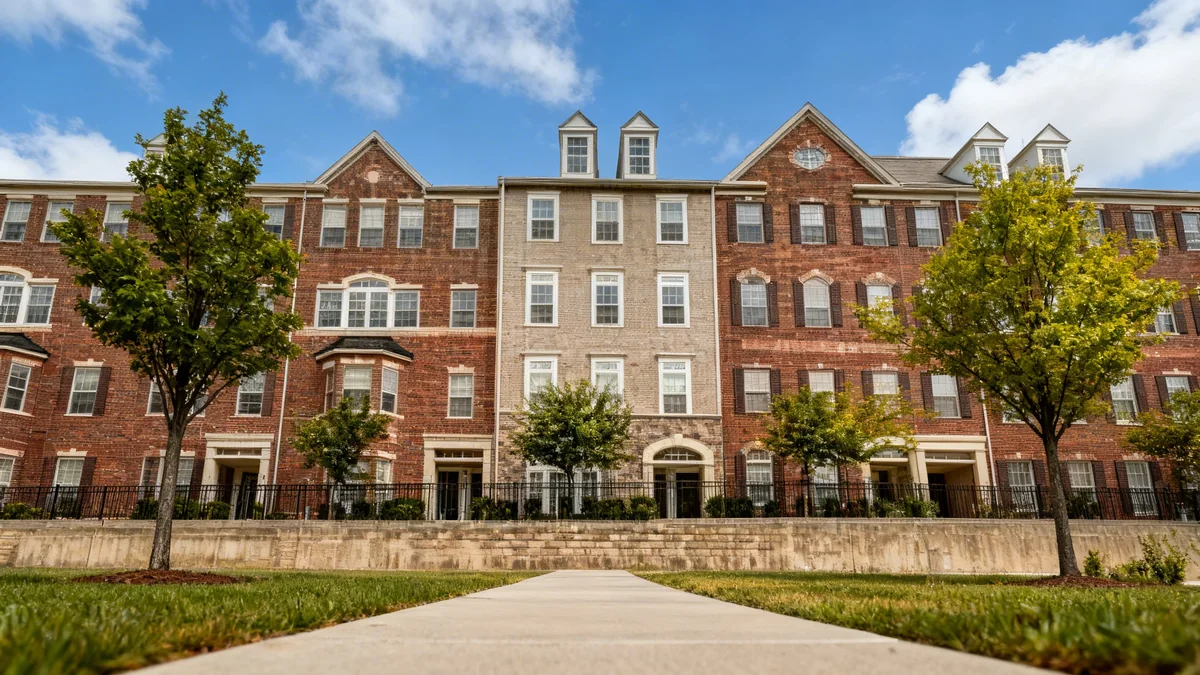
Experts suggest that first-time buyers may need to consider alternatives to traditional single-family homes. "We have to adapt to the new reality," Sweeten advised, suggesting that condos or townhomes could be a more attainable entry point into the market.