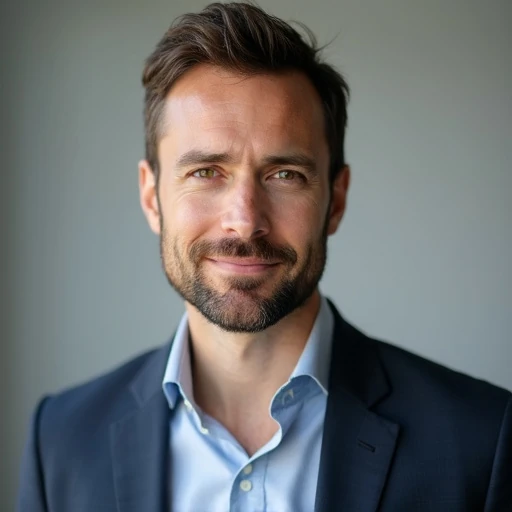
An international search for assets connected to a major Brazilian banking collapse has reached Florida, as officials seek to recover funds in what is being described as potentially the largest banking fraud in the country's history. The investigation targets luxury real estate, high-value art, and other properties allegedly tied to financier Daniel Vorcaro and his failed institution, Banco Master.
Key Takeaways
- Brazilian authorities are conducting a search for assets in Florida linked to the collapse of Banco Master.
- Court filings in Miami have subpoenaed 22 entities, including prominent art galleries, auction houses, and real estate firms.
- The investigation centers on financier Daniel Vorcaro in a case that may represent Brazil's biggest-ever banking fraud.
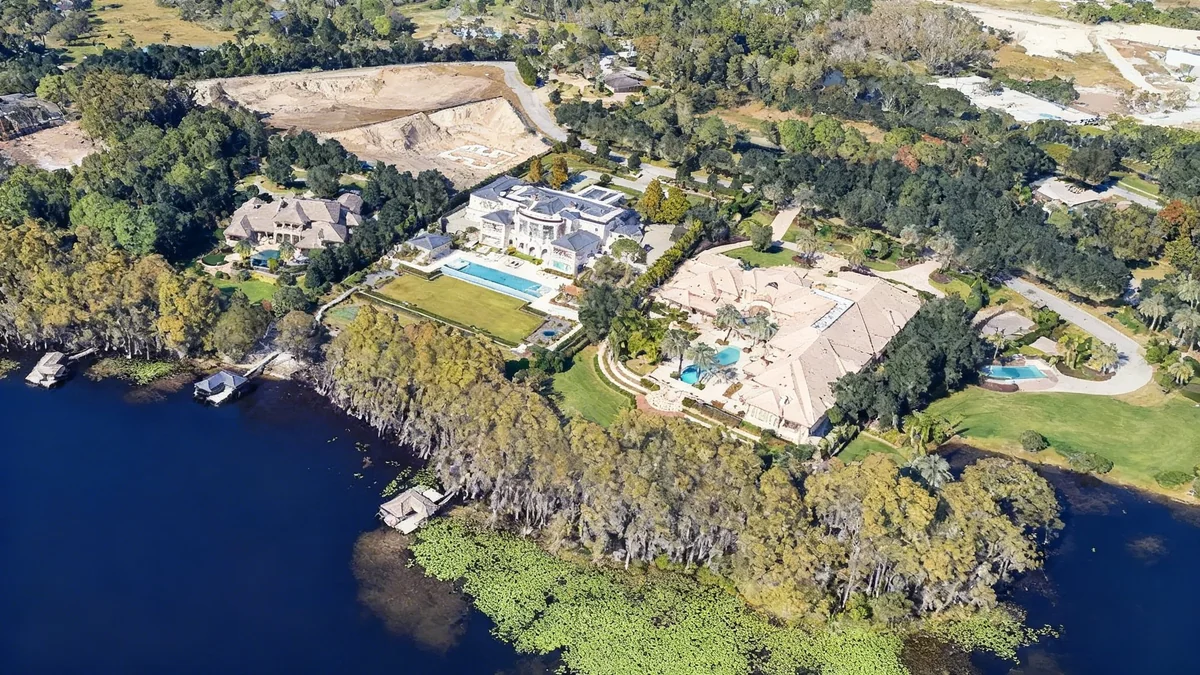
- Assets being traced include a 24,000-square-foot mansion near Orlando and artwork from world-renowned dealers.
Legal Action Unfolds in Miami
The formal effort to locate and secure assets began on January 29, when legal papers were filed in the U.S. federal bankruptcy court in Miami. This action was initiated by the liquidator of Banco Master, who is operating on behalf of Brazil's central bank.
The court filings are designed to compel cooperation from a wide range of businesses that may have handled transactions or hold assets connected to the case. In total, 22 separate entities have been served with subpoenas as part of this cross-border investigation.
This legal maneuver, known as a Chapter 15 filing, allows foreign representatives to seek assistance from U.S. courts in insolvency proceedings. It is a critical tool for liquidators attempting to trace assets that have been moved across international borders.
A Target List of High-Profile Names
The list of subpoenaed entities reads like a directory of the luxury market. It includes some of the most prestigious names in the art world, such as the Gagosian and Pace galleries. World-famous auction houses Sotheby’s and Christie’s have also been included in the legal filings.
This focus suggests that investigators believe significant funds may have been converted into high-value, easily transportable assets like fine art. By subpoenaing these organizations, officials aim to uncover records of purchases, sales, and consignments that could lead back to Vorcaro or his associates.
Beyond the Art World
The search is not limited to artwork. The subpoenas also target real estate brokers and a bank located near Orlando, indicating a broad investigation into various types of financial holdings. The goal is to create a comprehensive picture of how money flowed out of the bank and where it was ultimately placed.
Investigation by the Numbers
- 22: The number of entities subpoenaed in Florida.
- Jan. 29: The date legal papers were filed in Miami federal court.
- 24,000: The square footage of a mansion near Orlando linked to the case.
Tracing a Path to Luxury Real Estate
One of the most significant physical assets identified in the investigation is a sprawling mansion located near Orlando. The property, which measures approximately 24,000 square feet, was reportedly purchased by Daniel Vorcaro's father.
Investigators are now examining the transaction details and ownership structure of this and potentially other properties. The focus on Florida real estate is not surprising, as the state has long been a popular destination for international investment in luxury homes.
The Significance of Banco Master's Collapse
The failure of Banco Master has sent shockwaves through Brazil's financial sector. While details of the alleged fraud are still emerging, authorities are treating it with extreme seriousness due to its potential scale. The recovery of assets is a crucial step in mitigating the financial damage and repaying creditors affected by the bank's collapse.
The Broader Implications for International Finance
This case highlights the global nature of modern financial crime. As capital moves seamlessly across borders, so too do the efforts to conceal illicit funds. The legal actions in Florida demonstrate the increasing need for international cooperation between judicial systems to track and recover assets.
The subpoenas served to major art dealers and auction houses could also place a renewed spotlight on transparency in the high-end art market. This sector has faced scrutiny in the past for its potential use in money laundering, and the outcome of this investigation may lead to calls for stricter regulations.
For now, the 22 entities in Florida are legally compelled to provide information. Their records could be the key to unlocking a complex financial web and recovering millions in funds tied to the collapse of Banco Master, marking a critical chapter in one of Brazil's most significant financial investigations.