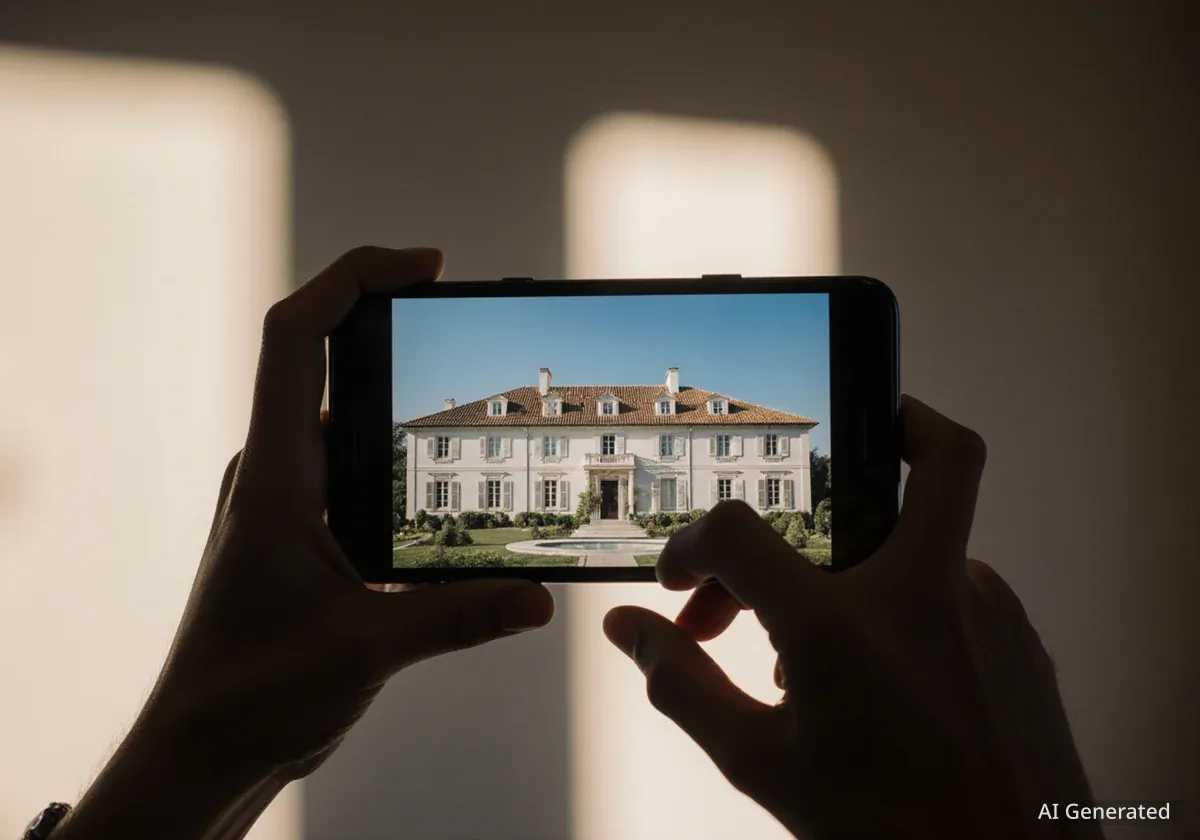

Artificial intelligence is rapidly entering the real estate market, with agents using the technology to digitally furnish empty homes in listing photos. This practice, known as virtual staging, promises significant cost savings but is leading to an unexpected problem: potential buyers are feeling let down and disconnected when they see the properties in person.
A recent industry survey revealed that nearly 70 percent of real estate agents have already incorporated AI into their work. While the technology can make a vacant house look appealing online, the gap between the digital image and the physical space is creating a new challenge in the home buying process.
Key Takeaways
- Nearly 70% of real estate agents are now using AI, primarily for virtual staging of empty properties.
- While AI-generated images can save thousands of dollars in physical staging costs, they can create unrealistic expectations for buyers.
- Homebuyers report feeling disoriented and disappointed when the in-person tour does not match the perfected online photos.
- This disconnect risks eroding trust between buyers and agents early in the sales process.
- The practice is being compared to older sales tactics like using wide-angle lenses to make rooms appear larger.
The Promise of a Perfect Picture
For real estate agents operating on commission, managing overhead costs is a constant priority. Physically staging a home with furniture, art, and decor can be a major expense, often running into thousands of dollars. This is where artificial intelligence presents an almost irresistible solution.
AI-powered virtual staging software allows an agent to upload photos of an empty room and have it digitally filled with stylish furniture, rugs, and even wall hangings. The result is a set of magazine-worthy images that can transform a sterile, vacant space into a warm, inviting home—all for a fraction of the cost of physical staging.
This technology is particularly appealing for properties that may have good structural features but lack visual appeal when empty. Agents see it as a tool to help potential buyers envision the potential of a space without the significant upfront investment.
A History of Enhancement
Image manipulation in real estate is not a new phenomenon. For years, agents have relied on techniques to make properties look their best. Common practices include:
- Using wide-angle camera lenses to make rooms seem more spacious.
- Adjusting lighting and color saturation in post-production.
- Strategically filling closets to half capacity to suggest ample storage.
AI virtual staging is the next evolution of these methods, but its ability to completely fabricate the contents of a room represents a significant leap in digital alteration.
A Disconnect Between Digital and Reality
The efficiency of AI staging, however, is revealing a significant downside when potential buyers step through the front door. Kati Spaniak, a real estate agent based in Illinois, decided to try the technology on a suburban Chicago home that was difficult to photograph while empty.
She ordered a set of virtually staged photos that added furniture, books, and art to the vacant rooms. Online, the listing looked fantastic. But as visitors began to tour the property, Spaniak noticed a recurring issue.
"They don’t even really recognize why they’re upset," Spaniak explained. "They just feel let down."
Buyers arrived with the digitally perfected image in their minds, only to be met with empty rooms that felt stark and unfamiliar. The emotional connection they formed with the online photos was instantly broken, leaving them feeling disoriented and disappointed before the tour even truly began.
The Psychology of Buyer Expectations
The problem highlights a critical aspect of the home buying journey: emotion. Buyers are not just purchasing a structure; they are looking for a place where they can imagine their lives unfolding. The polished, AI-generated images create a specific vision of that life, but one that vanishes upon arrival.
This experience is akin to seeing a heavily edited photo on a dating profile. While it might attract initial interest, the inevitable in-person meeting reveals the discrepancy, which can damage trust from the outset. In real estate, this initial feeling of being misled can sour a potential buyer on a property, regardless of its actual merits.
The Cost of Staging
According to industry estimates, the cost to physically stage an average-sized home can range from $2,000 to over $7,000 for an initial period, with monthly furniture rental fees thereafter. In contrast, AI virtual staging services can cost as little as $20 to $100 per image, representing a potential savings of over 95%.
Navigating a New Technological Landscape
The rise of AI in real estate listings is forcing both agents and buyers to adapt. For agents, the key may be transparency. Clearly disclosing that a property has been virtually staged can help manage buyer expectations and prevent the feeling of a bait-and-switch.
For homebuyers, it serves as a reminder to approach online listings with a critical eye. It's more important than ever to focus on the unchangeable aspects of a property—such as layout, location, natural light, and room dimensions—rather than the digitally added decor.
While AI offers powerful tools to reduce costs and enhance marketing, its implementation in real estate shows that technology cannot fully replace the tangible, emotional experience of walking into a house and feeling at home. The industry is now learning in real-time how to balance the allure of a perfect digital image with the reality of an empty room.