A New York City co-op board's plan to renovate lobbies and landscaping across its four buildings has led to significant concern among residents, particularly regarding the proposed permanent closure of one of three building entrances. This change would create substantial hardship for residents with disabilities, including one husband who has relied on the entrance for over 50 years.
Key Takeaways
- A NYC co-op board plans to close a building entrance as part of a renovation.
- The closure would force residents with disabilities to walk an extra city block.
- Residents are urged to voice concerns and unite to oppose the change.
- Co-op boards generally have legal protections for approved construction permits.
- Disability rights laws like the Fair Housing Act may offer grounds for objection.
Renovation Plans Raise Accessibility Questions
The co-op, which spans multiple city blocks, is undertaking a major renovation project. Plans include upgrades to building lobbies and surrounding landscaping. However, a key part of the proposal involves permanently closing one of the three main entrances to a specific building.
This particular entrance has served residents for more than five decades. Its closure would force many to use alternative routes, adding significant distance to their daily commute within the complex. For those with mobility challenges, this extra distance presents a serious problem.
Fact: Co-op Boards and Renovations
Co-op boards often have broad authority over building common areas and structural changes. These decisions are typically made with the aim of improving property value or resident experience. However, they must also consider the impact on all residents, especially those protected under disability rights laws.
Impact on Residents with Disabilities
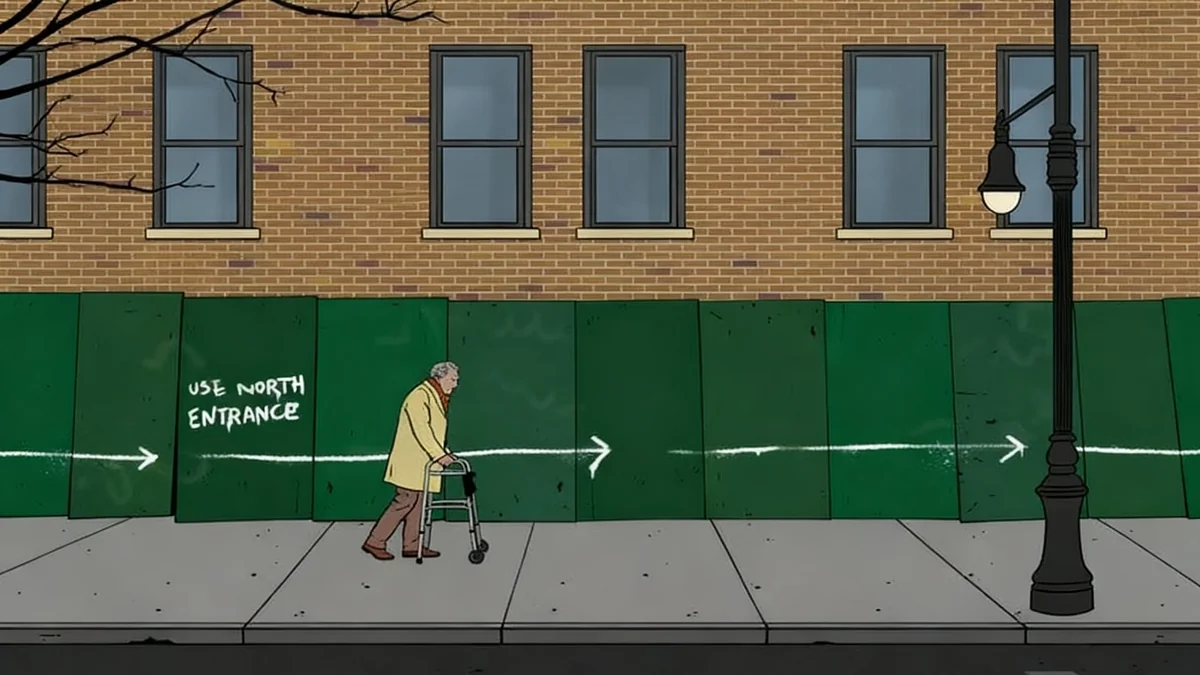
One resident highlighted the direct impact on her husband, who uses a walker. The proposed closure would mean he would have to walk an additional city block each time he entered or exited their building. This extra distance is not just an inconvenience; it represents a barrier to his independence and ease of movement.
The long-standing reliance on this specific entrance by many residents, including those with disabilities, makes the board's decision particularly contentious. The community feels that their needs are not being adequately considered in the renovation plans.
"My husband, who uses a walker, would have to walk an extra city block each time he came and went. We have relied on the entrance they want to remove for more than 50 years."
Legal Protections and Resident Advocacy
While co-op boards generally have legal protections for construction projects with proper permits, residents are not without recourse. Making their opposition known to the board is a critical first step. Uniting with other affected neighbors can amplify their collective voice and put pressure on the board to reconsider.
The Fair Housing Act, along with state and local disability rights laws, may offer legal grounds for residents to challenge decisions that create barriers for people with disabilities. These laws require reasonable accommodations in housing, which could extend to maintaining accessible entrances.
Understanding Co-op Governance
Co-operative housing corporations are typically managed by a board of directors elected by the shareholders (residents). This board is responsible for the building's finances, maintenance, and overall management. Decisions regarding major renovations often require shareholder approval, but the specifics can vary based on the co-op's bylaws.
Steps for Affected Residents
Residents facing similar issues should take several proactive steps. First, they should formally communicate their concerns to the co-op board. This communication should clearly outline the specific hardships the proposed changes would create, especially for individuals with disabilities.
Second, forming a resident group or association can strengthen their position. A unified front often carries more weight than individual complaints. This group can gather signatures, present a collective petition, or designate representatives to speak on behalf of the affected population.
- Document everything: Keep records of all communications with the board, including dates, times, and content.
- Consult bylaws: Review the co-op's governing documents to understand the rules for renovations and resident input.
- Seek legal advice: If direct appeals to the board are unsuccessful, consulting an attorney specializing in co-op law and disability rights can provide guidance on legal options.
- Engage local officials: Reach out to local government agencies responsible for disability rights or housing for potential support or mediation.
The goal is to ensure that any renovation project balances aesthetic and functional improvements with the fundamental right to accessible living for all residents. The board has a responsibility to consider the diverse needs of its community, including those with mobility challenges.
The Path Forward for Co-op Residents
Ultimately, the situation highlights the importance of inclusive planning in community development. Boards must anticipate how changes will affect all segments of their population. While renovations can enhance property value, they should not come at the expense of accessibility for vulnerable residents.
Residents have a powerful voice, especially when united. Their advocacy can lead to modifications in renovation plans, ensuring that accessibility remains a priority. This ongoing dialogue between residents and the co-op board is essential for fostering a truly inclusive living environment.