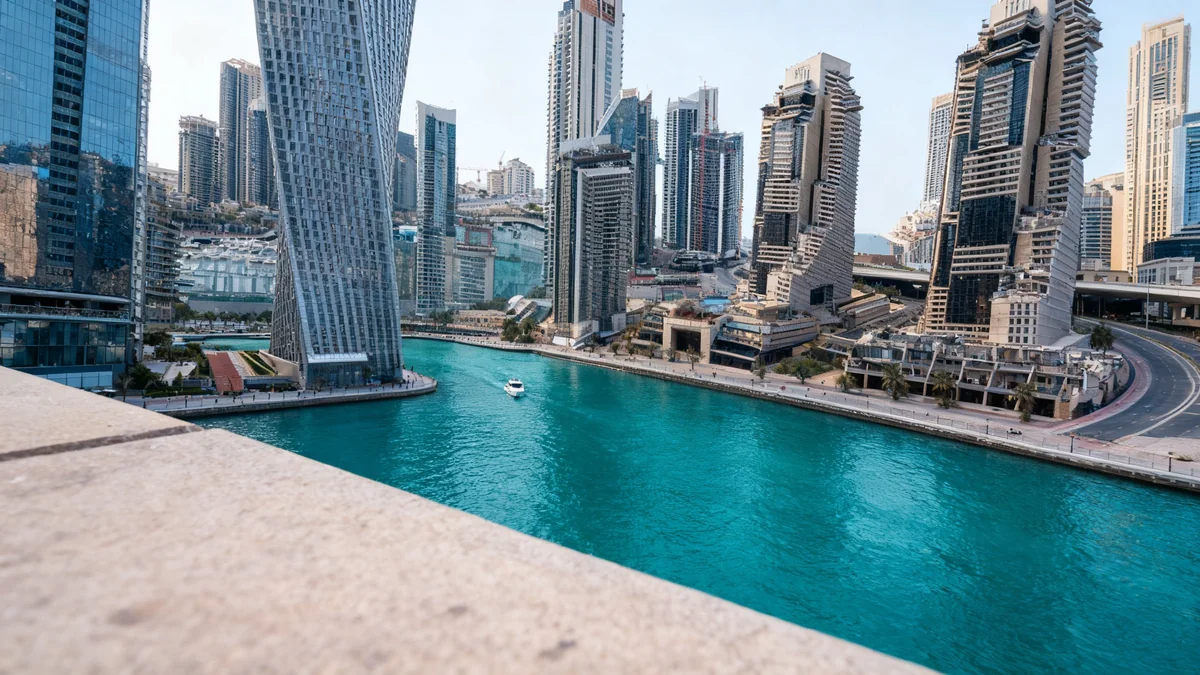
Dubai has surpassed global hubs like New York and London to become the world's top market for luxury homes, driven by an influx of international professionals and billionaires seeking a zero-tax environment and a high-end lifestyle. The city's real estate market is experiencing an unprecedented surge in high-value transactions.
The United Arab Emirates city-state is rapidly cementing its status as a primary destination for bankers, hedge fund managers, tech entrepreneurs, and celebrities. This migration is reshaping the global distribution of wealth and talent, with Dubai's modern infrastructure and business-friendly policies acting as powerful magnets.
Key Takeaways
- Dubai recorded more sales of homes valued over $10 million than any other city globally last year, overtaking previous leaders like New York and London.
- The primary attractions for new residents are zero income tax, strict safety laws, and advanced digital and physical infrastructure.
- The city's population is growing by approximately 200,000 people annually, with expatriates making up nearly 90% of the residents.
- Despite its appeal, newcomers face challenges including significant pay disparities, intense traffic, and a demanding work culture.
A Market Transformed by Numbers
Recent data highlights a dramatic shift in the global luxury real estate landscape. In the final quarter of last year, Dubai led the world in sales of homes priced between $2.5 million and $10 million. The city's dominance was even more pronounced in the ultra-luxury segment.
Throughout the year, Dubai saw a staggering 9,050 sales of properties worth over $10 million. This figure significantly outpaced New York, which recorded 6,577 sales, and London, with 3,089. The change is stark when compared to 2022, when London held the top spot with 5,826 high-end sales while Dubai registered just 3,982.
By the Numbers: Dubai's Property Surge
- $10M+ Homes Sold (2023): 9,050
- New York Sales (2023): 6,577
- London Sales (2023): 3,089
- Expatriate Population: Approximately 85-90%
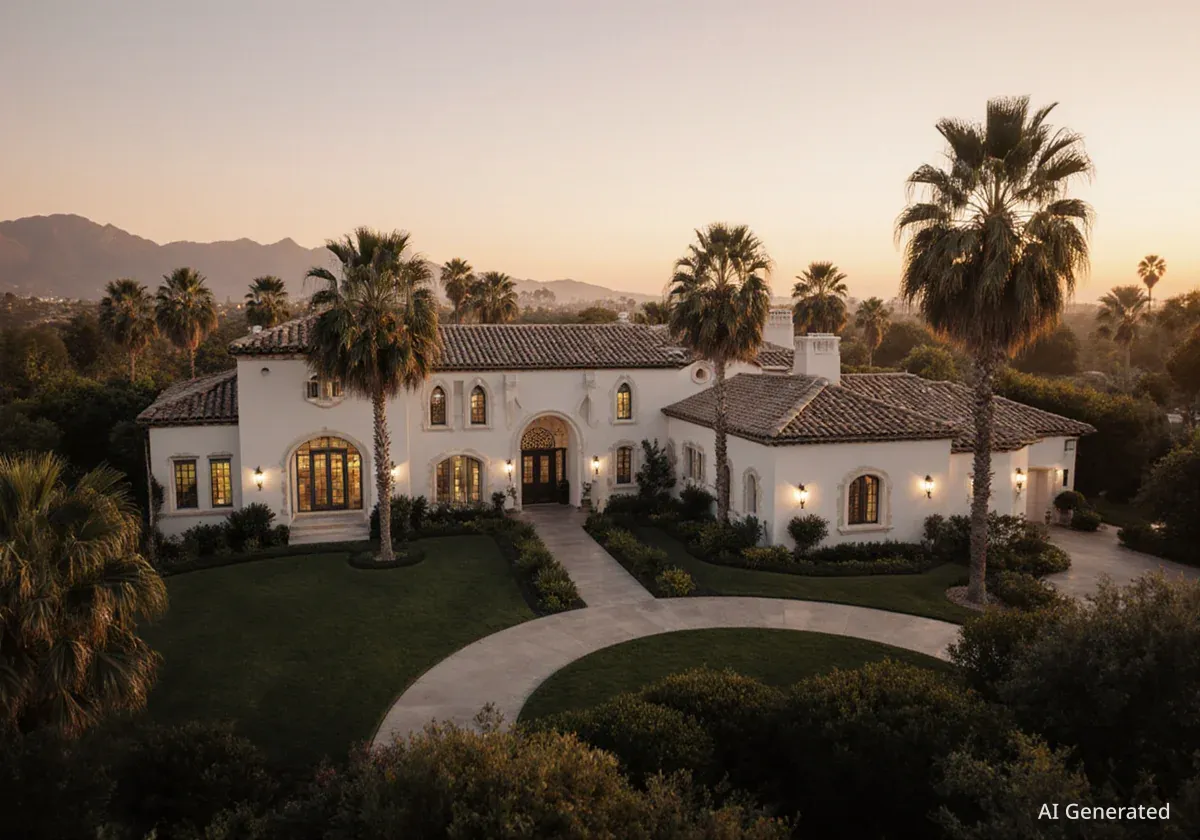
This boom isn't just about statistics; it's visible in high-profile acquisitions. Mukesh Ambani, often cited as Asia's wealthiest person, recently purchased a beachfront property on Palm Jumeirah for $163 million. The home features 10 bedrooms and a 70-meter private beach. He joins other prominent figures like billionaire Lakshmi Mittal and sports icons Roger Federer and Cristiano Ronaldo, who have also invested in Dubai's property market.
The Powerful Pull of a Modern Metropolis
The reasons behind Dubai's ascent are multifaceted. The most significant draw for high-net-worth individuals and skilled professionals is the absence of personal income tax. The government funds public services through sales taxes, modest corporate taxes, and administrative fees, creating a highly attractive financial environment.
Beyond finances, the city offers a lifestyle and infrastructure that few global centers can match. State-of-the-art hospitals, universal 5G telecommunications, and a hi-tech digital framework make it an efficient place to live and conduct business. For many, the short flight time from Europe makes it a more convenient base than other low-tax jurisdictions like Singapore.
From Pandemic Haven to Global Hub
During the global pandemic, Dubai became known as a sanctuary for remote professionals and social media influencers who could continue their work against a backdrop of sunny skies. This period helped solidify its reputation as a flexible and resilient city, accelerating its growth as a destination for global talent.
Strict laws on street crime also contribute to its appeal, ensuring a high level of personal safety. This security, combined with a vibrant cultural scene that includes 12 Michelin-starred restaurants and international performances at the Dubai Opera House, creates a complete package for a discerning global clientele.
"Dubai is what happens when a trading and commercial hub, a tax-efficient jurisdiction, and a future-focused vision all move into the same geographically advantageous location," says Nigel Green, chief executive of the deVere investment group. "You’ve got a city where roughly 85-90% of residents are expatriates, all here to work, build and invest. Capital follows energy like that.”
The Reality on the Ground
The influx of wealth is not limited to billionaires. A growing number of middle-income professionals are also relocating. Aidan Doyle, an estate agent who moved from Liverpool, saw his annual income jump from £30,000 to over £500,000 in just three years by facilitating property transactions in the booming market.
However, life in Dubai is not without its challenges. Azad Zangana, an economist at Oxford Economics who has lived in the city, points to a major issue. "The level of disparity in pay levels is much higher than in Europe," he notes, explaining that while the wealthiest thrive, many other workers face a different economic reality.
Other common complaints from residents include a demanding long-hours work culture, which can offset the financial benefits of high salaries. The city's infrastructure is also straining to keep up with its rapid growth, leading to significant traffic congestion. And, of course, the summer heat, which can soar to 50°C (122°F), remains a formidable aspect of daily life.
Regulatory Scrutiny and Future Outlook
Dubai's rapid growth and open-door policy have attracted criticism, with some observers raising concerns about the potential for money laundering. The UAE government has pushed back against these claims, highlighting recent actions such as the extradition of a leader of the Kinahan organized crime group to Ireland.
Officials also point to the country's advanced regulatory framework for digital currencies, which in some areas is more developed than those in London or New York. Economist Brunello Rosa has noted that the UAE is one of the few jurisdictions to have implemented a clear, structured approach to digital money, positioning it as a forward-thinking financial center.
For professionals like Aidan Doyle, the long-term outlook remains positive. Despite talk of a potential property crash, he believes demand continues to far outstrip supply. "Dubai sells itself the more you are here," he says. "I had a three-year plan to stay before leaving, but that doesn’t exist any more.”