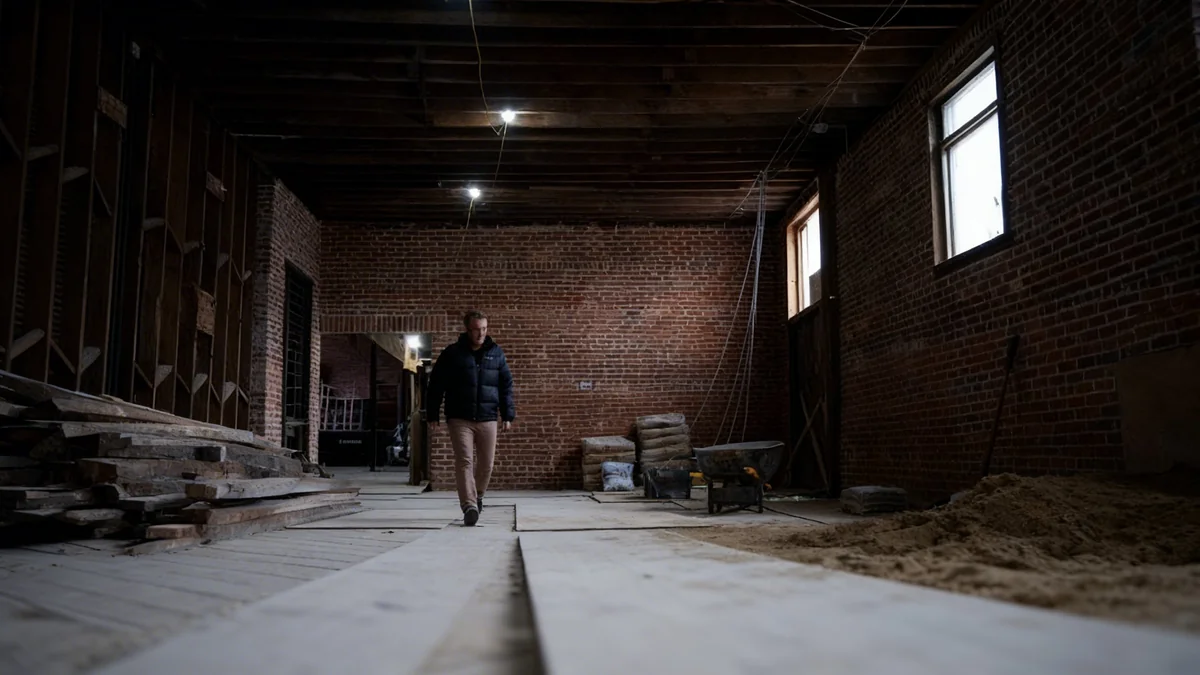
A historic building at 2100 Larimer Street, a long-standing but neglected feature of Denver's Ballpark District, is poised for a significant transformation. The property, which has sat vacant for years, was recently acquired by a local investor who plans a complete restoration projected to finish by the end of 2027.
The two-story structure, dating back to the early 20th century, represents a key piece of the neighborhood's architectural history. The upcoming project aims to revitalize the building and integrate it back into the bustling commercial and residential life of the area.
Key Takeaways
- The historic building at 2100 Larimer Street in Denver's Ballpark District is undergoing a major renovation.
- Local real estate investor Matt Van Sistine purchased the 11,600-square-foot property for $1.45 million.
- The restoration project is scheduled for completion by the end of 2027.
- Originally built in 1908 as a saloon, the building has been vacant and neglected for many years.
A New Chapter for a Century-Old Structure
The building at the corner of 21st and Larimer Street, a silent witness to over a century of Denver's history, is finally set for a revival. After years of standing empty, the property was purchased last year by local businessman and real estate investor Matt Van Sistine for $1.45 million.
Van Sistine is spearheading an ambitious renovation effort to breathe new life into the historic site. The goal is to preserve the building's character while modernizing it for contemporary use, contributing to the ongoing revitalization of the Ballpark District.
Historical Significance
Constructed in 1908, the building at 2100 Larimer Street first opened its doors as a saloon, serving the city's residents during a period of significant growth. Its architecture reflects the early 20th-century style prevalent in Denver's developing urban core. Over the decades, it has seen various uses but has unfortunately fallen into disrepair in recent years, becoming a symbol of untapped potential in a rapidly growing neighborhood.
Details of the Restoration Project
The project involves a complete overhaul of the two-story, 11,600-square-foot structure. Planners are focused on restoring key historical elements while ensuring the building meets modern safety and accessibility standards. The restoration is a complex undertaking, given the age and condition of the property.
The work is expected to be a multi-year effort, with a target completion date set for the end of 2027. This timeline accounts for the detailed architectural work, structural reinforcements, and interior finishing required to prepare the building for future tenants.
Vision for the Future
While specific tenants have not been announced, the renovation aims to create a versatile space suitable for retail, dining, or office use. The project's leader, Matt Van Sistine, has expressed a commitment to finding occupants that will complement the vibrant and dynamic atmosphere of the Ballpark District.
Project at a Glance
- Location: 2100 Larimer Street, Denver, CO
- Year Built: 1908
- Size: 11,600 square feet
- Purchase Price: $1.45 million
- Projected Completion: End of 2027
The restoration is seen by community members and city planners as a positive step toward preserving Denver's architectural heritage. By saving and repurposing a historic landmark, the project avoids demolition and contributes to sustainable urban development.
Impact on the Ballpark District
The revitalization of 2100 Larimer Street is expected to have a positive ripple effect throughout the Ballpark District. The neighborhood, already a popular destination for entertainment and dining, will gain a renewed historical asset. The project will eliminate a visible sign of neglect and could encourage further investment in surrounding properties.
Bringing a vacant building back into use also promises economic benefits. During the construction phase, the project will create jobs for local contractors and tradespeople. Once completed and occupied, the building will house new businesses, contributing to the local economy and increasing foot traffic in the area.
"Restoring a building like this is more than just a real estate transaction; it's an investment in the community's identity and future," noted a local urban planning analyst. "It shows a commitment to blending the new with the old, which is what gives a city its unique character."
As the project moves forward, residents and business owners in the Ballpark District are watching with anticipation. The transformation of 2100 Larimer from a neglected relic to a vibrant hub is a story of urban renewal that many hope will inspire similar efforts across the city.