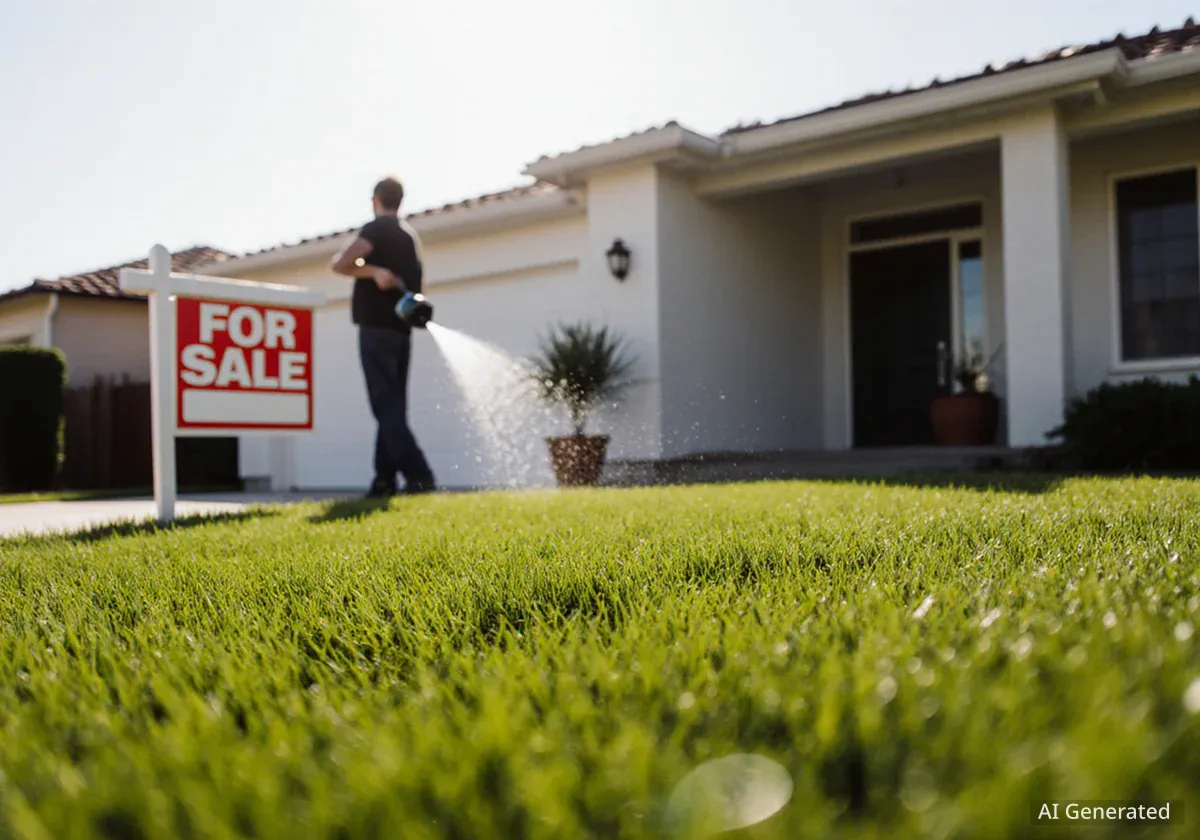
Homeowners often invest thousands in landscaping with the goal of increasing their property's value and curb appeal. However, real estate professionals are now cautioning that some popular and expensive projects can have the opposite effect, potentially deterring buyers and failing to provide a return on investment.
From high-maintenance gardens that intimidate potential owners to overly personalized features that don't appeal to a broad market, certain outdoor upgrades are being flagged as financial missteps. Understanding which projects to avoid can save homeowners significant time, money, and future disappointment when it comes time to sell.
Key Takeaways
- Real estate experts suggest that high-maintenance gardens can overwhelm and deter potential home buyers.
- Artificial lawns and plants, especially in front yards, are often seen as unnatural and can fail to recoup high installation costs.
- Unusual or oversized features like koi ponds, large fountains, and excessive hardscaping can be viewed as liabilities that require costly removal.
- Above-ground pools are consistently cited as having poor resale value, often considered a negative by buyers.
- Highly personalized landscaping choices, such as statues or non-native exotic plants, rarely align with buyer tastes and can reduce a home's market appeal.
The Maintenance Trap: When Curb Appeal Becomes a Chore
A lush, intricate garden can be a homeowner's pride and joy, but it's often a major red flag for prospective buyers. Real estate agents report that overly complex and demanding landscapes are one of the most common projects that fail to pay off.
JoLynn Tarantino, an agent with ReeceNichols Real Estate, notes that while these yards can be beautiful, they are often a source of anxiety for new owners. "I have shown houses before where the yards and landscaping look beautiful, and you can tell it's done by someone who is very good and knows what they're doing," she explained. "But that could be very intimidating to someone else."
The issue lies in the perceived commitment. A yard filled with rare plants, elaborate flower beds, or topiaries suggests a significant investment of time and money that the next owner may not be willing or able to make.
Buyer Psychology
Most home buyers are looking for a property that is move-in ready and easy to manage. A garden that requires specialized knowledge or constant upkeep is often viewed not as an asset, but as an immediate and ongoing project that adds to the stress of homeownership.
Real estate investor Andy Saintilus reinforces this point, stating that "high-maintenance landscaping is an investment that doesn’t always pay off." He advises that features like large gardens or water fountains can quickly become more of a burden than a benefit. The consensus among professionals is to opt for clean, simple, and attractive landscaping that looks good year-round without demanding constant attention.
Questionable Investments: From Artificial Turf to Above-Ground Pools
While some homeowners turn to artificial solutions to reduce maintenance, these choices can also backfire. Artificial turf, in particular, is a project where homeowners often overspend without seeing a positive return.
"While artificial turf can work well in the backyard, it doesn’t always look right in the front yard," Saintilus commented. He points out that not only are the installation costs high, but the final result can feel unnatural, which is a major turn-off in neighborhoods where buyers expect real grass and traditional landscaping.
Cost vs. Value
The average cost to install an in-ground concrete pool can range from $50,000 to $120,000. In contrast, an above-ground pool costs between $400 and $4,000. Despite the lower initial cost, real estate agents consistently report that above-ground pools add little to no resale value and are often requested to be removed by buyers.
Another feature with notoriously poor resale value is the above-ground pool. While they offer a quick and affordable way to enjoy a pool, they rarely appeal to home buyers. More often than not, they are seen as liabilities. Buyers factor in the cost and hassle of removing a potentially old or poorly maintained structure, which can lead to lower offers on the home.
The Problem with Personalization
When landscaping becomes too specific to a homeowner's personal taste, it risks alienating the majority of potential buyers. Experts warn that unique, oversized, or highly customized features can actively detract from a property's value.
Unusual and Oversized Features
Tarantino identifies giant fountains and koi ponds as two of the most common offenders. While the owner may have invested a great deal of money into such a feature, she notes that the "next owner has no interest in having it or keeping up to date with the maintenance of it."
These features transform from a perceived asset into a liability. The buyer must consider the expense of removal, which can negatively impact their offer. The same logic applies to oversized hardscaping. "Too much hardscaping, like a patio, pavers, or other things that could get too big, and then you don't have much yard at all," Tarantino advises. Finding a healthy balance between usable outdoor living space and green areas is crucial.
"When landscaping is too customized, there’s a good chance that potential buyers won’t like it or will see it as an extra expense to replace."
Highly Customized Choices
Investing in features that reflect a niche interest is another common mistake. Andy Saintilus warns against these choices, which can make a home harder to sell.
"Homeowners sometimes invest heavily in features that reflect their personal taste but don’t appeal to the average buyer, making it harder to recoup those costs," he said. Examples include placing a large horse statue in the yard because of a personal love for horses or importing expensive exotic plants that are not native to the region.
These elements can be costly to install and maintain, and buyers often see them as an unnecessary hassle to remove. Saintilus emphasizes that the best approach is landscaping designed to be timeless and broadly appealing. "Landscaping should be designed to stand the test of time," he concluded.
Smart Landscaping for Better Resale Value
Instead of sinking money into projects that might not pay off, experts recommend focusing on simple, high-impact improvements. These often provide a much better return on investment.
- Update Walkways: A clean, modern front walkway enhances curb appeal immediately.
- Modernize Lighting: Simple, energy-efficient outdoor lighting can improve safety and aesthetics.
- Maintain a Healthy Lawn: A well-kept, green lawn is universally appealing.
- Plant Native, Low-Maintenance Plants: Choose plants that thrive in your local climate without constant care.
- Ensure Proper Balance: Create a functional mix of green space and modest, well-placed hardscaping for outdoor living.
By avoiding personal or high-maintenance projects and focusing on clean, universally appealing updates, homeowners can enhance their property's curb appeal without inadvertently decreasing its market value.