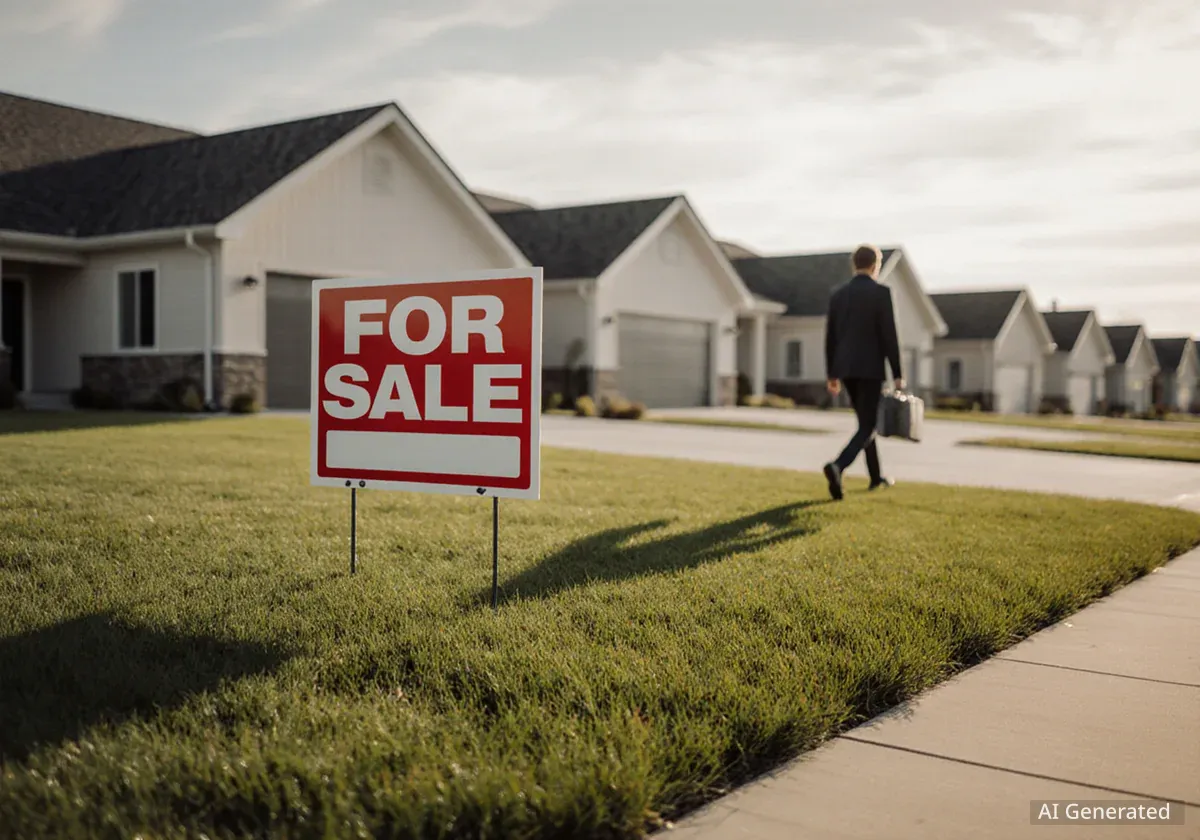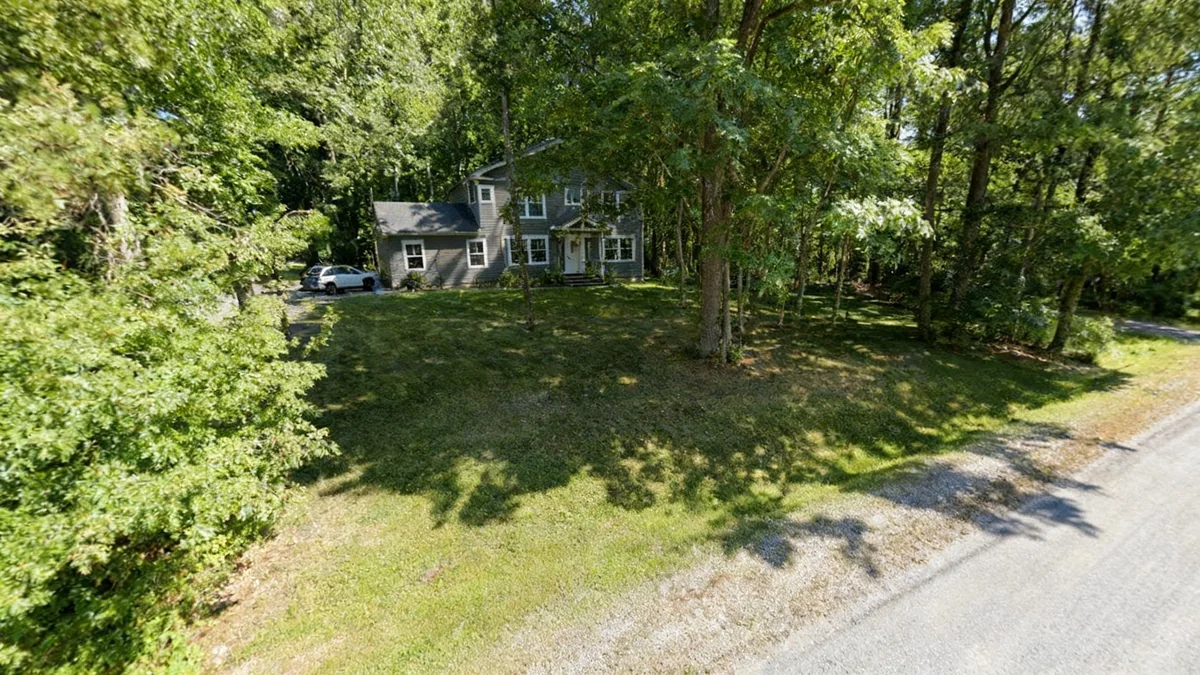
A significant population shift is reshaping west-central Minnesota, with cities like Alexandria and Detroit Lakes experiencing a surge in real estate activity and new residents. This growth, accelerated by the pandemic, is bringing economic vitality to the region but also raising concerns about preserving the area's rural character and natural environment.
Once facing population decline as young people left for urban centers, parts of greater Minnesota are now grappling with the challenges of rapid expansion. The influx is revitalizing local economies and communities, but it also creates a delicate balancing act between development and conservation.
Key Takeaways
- West-central Minnesota, particularly Alexandria and Detroit Lakes, is a top real estate hot spot in the state, leading in home sales and price increases.
- The growth reverses a long-term trend of population decline in many rural areas, bringing new life to schools, businesses, and local services.
- This expansion is driven by a mix of retirees, remote workers, and families seeking a different lifestyle, a trend amplified since 2020.
- The development boom is creating tension between economic benefits and the need to protect local wildlife, natural habitats, and the region's distinct rural identity.
A Surprising Real Estate Hub Emerges
For years, the narrative of rural America often centered on decline. But in west-central Minnesota, the story is now one of unprecedented growth. The cities of Alexandria, in Douglas County, and Detroit Lakes, in Becker County, have emerged as leaders in the state's housing market.
Recent data indicates these areas are at the forefront of real estate closings and price appreciation, outpacing many urban and suburban counterparts. Moorhead, also located in the region, ranks third in this housing index, cementing west-central Minnesota's status as a new destination for homebuyers.
This boom marks a significant reversal. Two decades ago, these counties struggled with an exodus of young, educated residents seeking opportunities elsewhere. Today, the picture is far more complex. While some remote areas continue to see population loss, the lake-rich regions are thriving.
By the Numbers
Between 2010 and 2020, both Douglas County (home to Alexandria) and Becker County (home to Detroit Lakes) each saw their populations increase by several thousand residents, signaling a sustained trend of inward migration even before the pandemic-era surge.
Who is Moving In?
The new wave of residents is diverse. Real estate professionals in the area report a mix of buyers fueling the market. In Detroit Lakes, many new homeowners come from nearby North Dakota, particularly from cities like Grand Forks and Jamestown, seeking weekend getaways or permanent lakefront homes.
"The biggest change is the people," said Paula Okeson, a local real estate agent who grew up in the area. "You go into a store and you don’t know anybody anymore. It’s a different community than it was a generation ago."
In Alexandria, the demographic includes a significant number of retirees who bring financial resources and professional expertise, often volunteering for local organizations. The post-2020 shift to remote work has also allowed younger families and professionals to relocate from metropolitan areas, drawn by the promise of more space and a different quality of life.
The Economic Upside of Growth
For local governments and business communities, this population growth is a welcome development. More residents mean a larger property tax base, which funds essential public services. Home sellers, builders, and local businesses all benefit from the increased economic activity.
The impact is felt across the community. New families are keeping school enrollments stable, preventing the consolidation or closure of local schools—a fate that has befallen many declining rural towns. An increase in population supports everything from the local cafe and hair salon to the farmers market.
"When you lose even a few families, you might not be able to support a second kindergarten teacher. When a school closes, the whole town feels it. The newcomers are keeping our communities alive and vibrant."
Furthermore, the influx of new residents helps fill critical jobs in sectors like healthcare, providing much-needed nursing assistants for care homes and staff for local clinics. This economic revitalization is a lifeline for towns that have long fought to remain viable.
The Unspoken Costs of Expansion
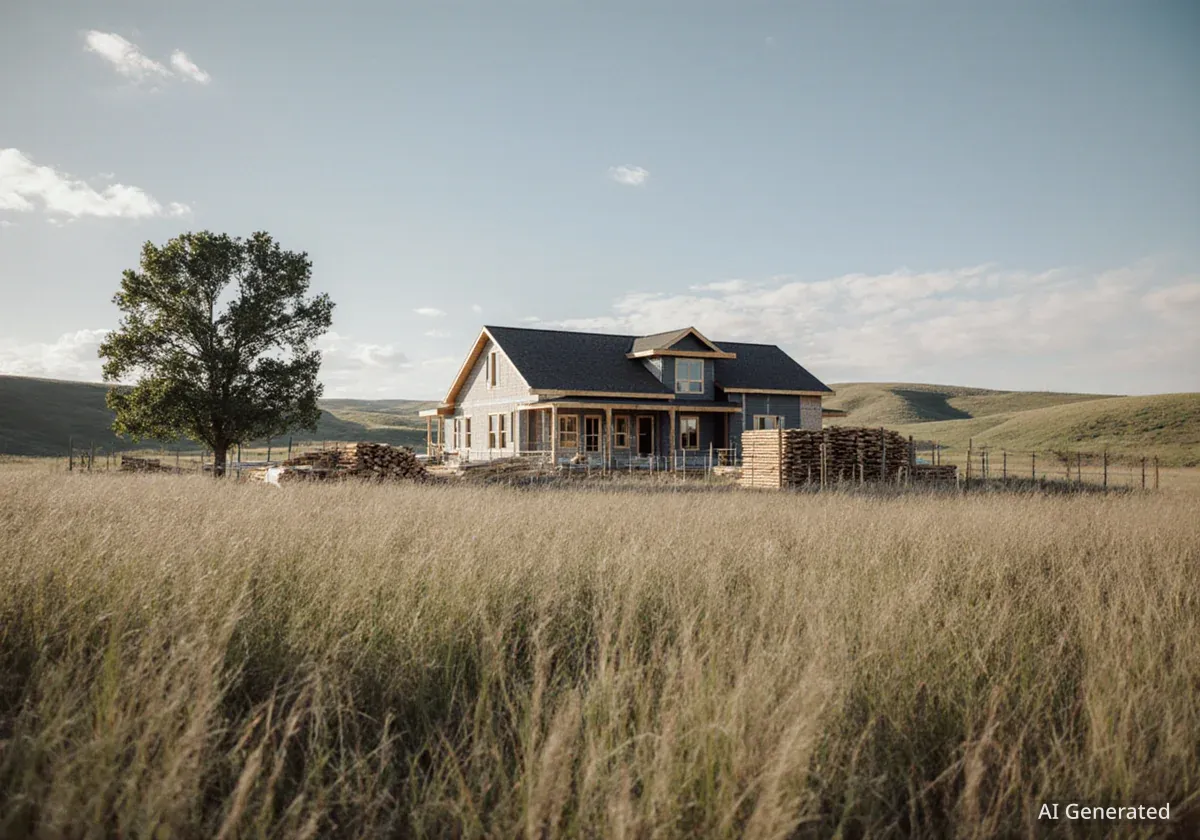
While the economic benefits are clear, the rapid growth is not without its drawbacks. Long-time residents and conservationists express concern over the environmental and cultural costs of development. New housing subdivisions, roads, and commercial properties are encroaching on forests, wetlands, and fields that have long served as habitats for local wildlife.
The construction of new homes inevitably leads to habitat fragmentation. Sightings of otters, foxes, and mink become less common as their environments are disturbed. This loss of biodiversity is a primary concern for those who cherish the region's natural beauty.
A Delicate Balance
The core conflict in west-central Minnesota is a classic one: economic progress versus environmental preservation. Every new factory or housing development that creates jobs can also mean the loss of a wetland that supports migratory birds or other wildlife. Striking a sustainable balance is the central challenge for local planners and community leaders.
Beyond the environmental impact, there is a social cost. The quiet, sparsely populated landscape that defined the area is changing. More traffic, more noise, and more light pollution alter the character of the countryside. Some residents who moved to the area for solitude now find themselves closer to new neighbors than they ever anticipated.
Navigating the Path Forward
The future of greater Minnesota hinges on how its communities manage this new era of growth. The challenge is to accommodate new residents and foster economic health without sacrificing the very qualities that make the region so attractive.
Potential solutions being discussed include promoting greater housing density within existing town centers to spare undeveloped land. This approach would concentrate development, preserving the open spaces, forests, and wetlands that surround these communities. Encouraging the construction of smaller, more efficient homes could also reduce the environmental footprint of new development.
The debate is ongoing, weighing the needs of a growing population against the preservation of a cherished way of life. For the residents of west-central Minnesota, both new and old, the goal is to build a future that is both prosperous and sustainable, ensuring that the region remains a haven for people and wildlife alike.