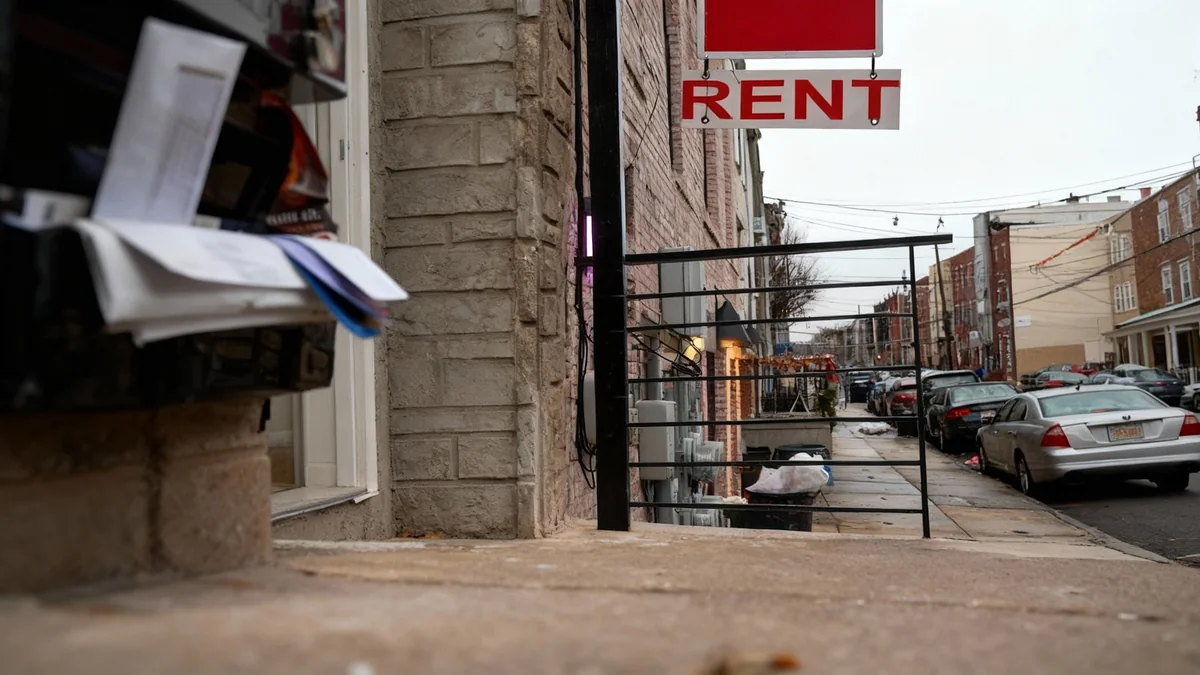
A series of real estate transactions near Philadelphia's Temple University has drawn scrutiny from industry professionals and legal experts, raising concerns about potential mortgage fraud. An investigation reveals that over 50 student rental properties, after failing to sell for months, were abruptly sold for approximately double their original asking prices, totaling $45 million in questionable deals.
The transactions, all involving one real estate agent, have resulted in at least one foreclosure and are now the subject of an internal investigation by a major national brokerage. The pattern of inflated sale prices could have significant consequences for the local housing market, property taxes, and student renters in the area.
Key Takeaways
- Over 50 properties near Temple University were sold for a combined $45 million, often at prices double their initial listings.
- Real estate agent Patrick C. Fay was involved in all 52 transactions, representing various buyers through LLCs.
- Major brokerages, including Coldwell Banker, Keller Williams, and Long & Foster, had agents who represented sellers in these deals.
- Sellers have reported receiving payments closer to the original asking price, not the inflated amount recorded on official documents.
- The deals have raised alarms about mortgage fraud, which could lead to foreclosures and destabilize local property values.
A Pattern of Questionable Sales
A troubling pattern has emerged in the real estate market surrounding Temple University over the past year. Dozens of student apartment buildings that had lingered on the market without offers were suddenly sold in deals that have baffled market experts. In 52 separate transactions, properties listed for an average of $450,000 were re-listed and sold for as much as $905,000, often within days.
These inflated prices were used to secure mortgages that far exceeded the properties' original valuations. However, several sellers and their agents have now stated that the amount they received was closer to the initial, lower asking price, not the much higher figure recorded on official deeds and settlement statements.
A Struggling Market
The student rental market around Temple University has faced challenges recently. A local landlords association reports that declining university enrollment over the last decade has led to higher vacancy rates and lower rents, making it difficult for property owners to sell their investments.
Legal experts suggest that discrepancies between the actual funds exchanged and the amounts recorded on mortgage documents could attract the attention of investigators. Solomon Wisenberg, a former assistant U.S. attorney specializing in bank fraud, noted the seriousness of such arrangements.
"Settlement statements have to reflect reality. If you don’t present an accurate picture to the financial institution that is financing the loan, you’ve got problems," Wisenberg said.
Key Players and Brokerage Involvement
At the center of every transaction is Patrick C. Fay, a real estate agent formerly with Coldwell Banker's Old City office. He represented at least seven different buyers, who made the purchases through various limited liability companies (LLCs). One of these buyers, Tanjania Powell-Avery, had a prior conviction for mortgage fraud, having pleaded guilty in 2010 to participating in a fraud ring in the Philadelphia area.
Coldwell Banker terminated its relationship with Fay in December after initial reports of the deals surfaced. The national brokerage has since launched an internal investigation. In a statement, Fay denied any wrongdoing, stating, "In my over 20 years in real estate, I have maintained an unblemished record with no ethical violations or complaints filed against me. These claims are without merit."
Widespread Participation
While Fay was a common denominator, he worked with agents from numerous other established firms. Agents from Keller Williams, Long & Foster, and eXp represented sellers in these transactions. Notably, three agents from Fay's own Coldwell Banker office collaborated with him on 13 sales.
Shaina Levin, a Coldwell agent, represented a seller for a property on 15th Street. Initially listed for $375,000, it sold to Fay's client for $842,000. Levin acknowledged her client received an amount closer to the original price and described Fay's proposal as "totally unconventional," but said her office manager received approval from the company's legal department.
By the Numbers
- $45 Million: Total value of the questionable property deals.
- 52: Number of settled or pending sales investigated.
- 100%+: The approximate increase from original asking price to final sales price in many deals.
- 13: Sales brokered between Fay and agents from his own Coldwell Banker office.
An Appraiser Raises the Alarm
Not all professionals went along with the arrangements. John Sexton, a licensed appraiser with two decades of experience in Philadelphia, recounted being pressured to inflate a property's value. He was hired to appraise a student rental on North Park Avenue that had failed to sell for its $408,000 asking price.
The property was suddenly under contract for $879,000 in a deal brokered by Fay and seller's agent Peter Lien of eXp. Sexton said Lien urged him to "just do my job and mark it at $879,000."
Sexton then received an email from an individual associated with Fay, providing a list of comparable sales to justify the high price. Sexton discovered that Fay had brokered all of those sales as well. He was also sent copies of leases showing rents at double the rate advertised just weeks earlier. After Sexton requested further documentation to justify the price, he said Fay became accusatory and then ceased communication.
"It’s infuriating to me, because he’s putting my license in jeopardy," Sexton stated. "This is my livelihood."
Fay has denied ever manipulating or influencing an appraisal. The sale of the North Park Avenue property was never completed and it is now off the market.
Community Impact and Early Signs of Trouble
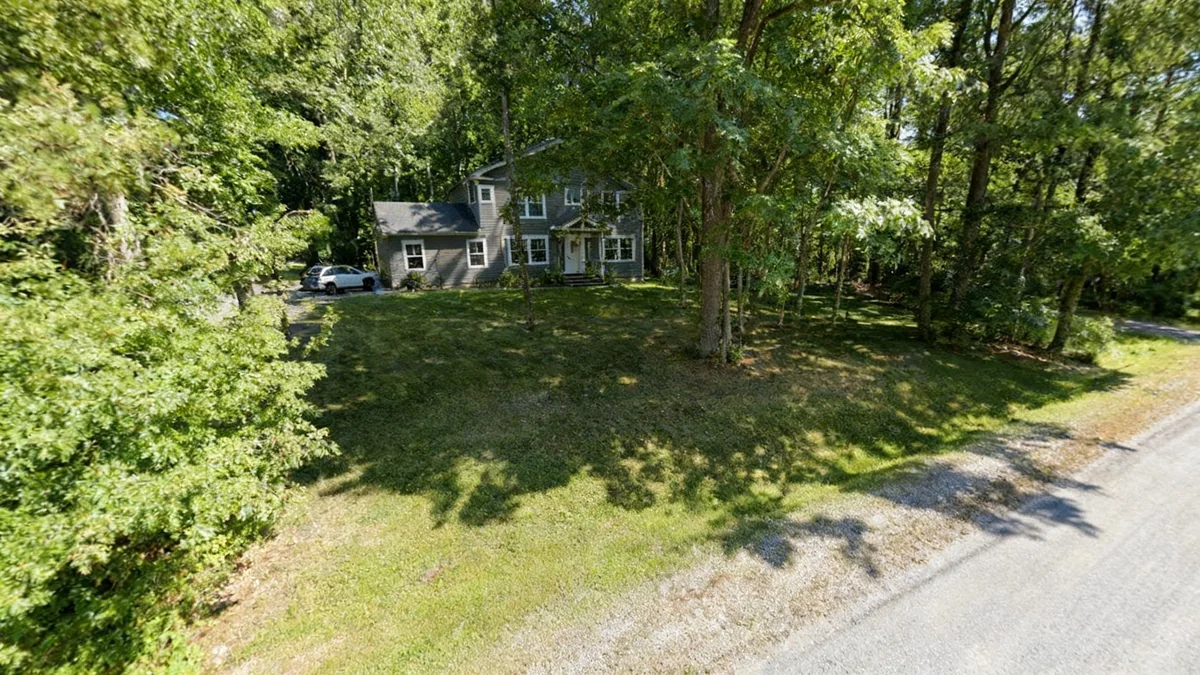
The consequences of these over-leveraged properties are already beginning to surface. In November, a lender filed for foreclosure on a Park Avenue property that sold for $850,000 in late 2024. Court records show the owner, an LLC, defaulted on an $807,000 mortgage just four months after the purchase.
Students living in these properties are also feeling the effects. Joelle DelPrete, a Temple University employee, lives in a building Fay helped purchase for $868,000, more than double its previous $385,000 listing price. She said Fay introduced himself as the new property manager, but soon unpaid utility bills began to accumulate and maintenance requests were ignored. In October, she discovered a pre-foreclosure notice posted on an adjacent property, indicating the owners had stopped paying the mortgage.
"If something feels off, it is off," DelPrete warned, adding that she and her roommates hope to move before their building goes into foreclosure.
Temple University has stated it is investigating the situation's potential impact on its students and has directed those affected to contact its Essential Needs Hub for support. Meanwhile, a private lenders association has issued a warning to its members about a potential "fraud scheme" operating in the area, signaling that the financial fallout from these deals may just be beginning.