When selling a home, the first impression is often the only one that matters. Real estate professionals report that certain exterior flaws can immediately deter potential buyers, signaling hidden costs and future headaches before they even step through the front door. These issues range from cosmetic fixes to significant structural concerns, but all have the power to lower offers or kill a deal entirely.
Understanding what buyers see when they first pull up to a property is crucial for sellers. Addressing these common problems can significantly improve a home's marketability and final sale price. We spoke with several real estate agents to identify the top eight exterior issues that make buyers think twice.
Key Takeaways
- Peeling paint and damaged siding are major visual red flags that suggest neglect.
- Issues with the roof and foundation are the most alarming for buyers due to high repair costs.
- Poor landscaping and drainage problems can signal underlying maintenance issues and potential water damage.
- Even smaller details like a dented garage door or foggy windows can negatively impact a buyer's perception of the property.
The High Cost of a Poor First Impression
The moment a potential buyer arrives at a property, they begin a mental calculation of potential costs and effort. A well-maintained exterior suggests a well-cared-for home, while visible flaws can create an immediate sense of unease.
Ledeana Strand, a licensed Realtor with Homes by Strand, explains the buyer's mindset. "Buyers aren’t just judging what the house looks like today, they’re imagining future costs, stress, and maintenance," she says. This forward-looking assessment means that even minor issues can be magnified in a buyer's mind, turning a small repair into a major deal-breaker.
Why Curb Appeal Matters
Curb appeal isn't just about aesthetics; it's about building confidence. A home that looks good from the outside implies that the less visible parts, like plumbing and electrical systems, have also been maintained. This perception can lead to stronger offers and a faster sale.
Major Structural Red Flags
While peeling paint is an eyesore, some exterior problems point to much deeper, more expensive trouble. These are the issues that can stop a sale in its tracks.
1. A Worn-Out Roof
One of the most significant red flags for any buyer is a roof that appears old or damaged. Missing shingles, curling edges, or visible wear can signal an imminent and costly replacement.
"Buyers know roofs are expensive, and even cosmetic wear can raise concerns about leaks or future insurance issues," Strand notes. The prospect of spending tens of thousands of dollars on a new roof shortly after purchasing a home is a powerful deterrent. If a full replacement isn't feasible, Strand advises sellers to get a professional inspection and make necessary repairs. "Providing documentation that shows the roof has been maintained can make buyers feel better and help with negotiations later," she adds.
2. Foundation Issues
Perhaps nothing scares a buyer more than visible signs of foundation trouble. Cracks in the brickwork, gaps around window frames, or an uneven base are immediate warning signs of structural instability.
Sain Rhodes, a real estate professional at Clever Offers, highlights the financial implications. Foundation repairs can range from $10,000 to $50,000, a cost few buyers are willing to inherit. "I have seen deals fall apart because buyers notice these things first," Rhodes says. He strongly recommends that homeowners hire a structural engineer to assess any cracks and have a licensed contractor perform and document all repairs before listing the property.
Fact: A compromised foundation can affect everything from the home's structural integrity to its ability to be insured, making it a primary concern for both buyers and lenders.
Cosmetic Issues That Signal Deeper Problems
Not all turnoffs are as dramatic as a failing foundation, but they contribute to a cumulative impression of neglect. Buyers often interpret poor cosmetic upkeep as a sign that more significant, hidden issues may be lurking.
3. Faded or Peeling Paint
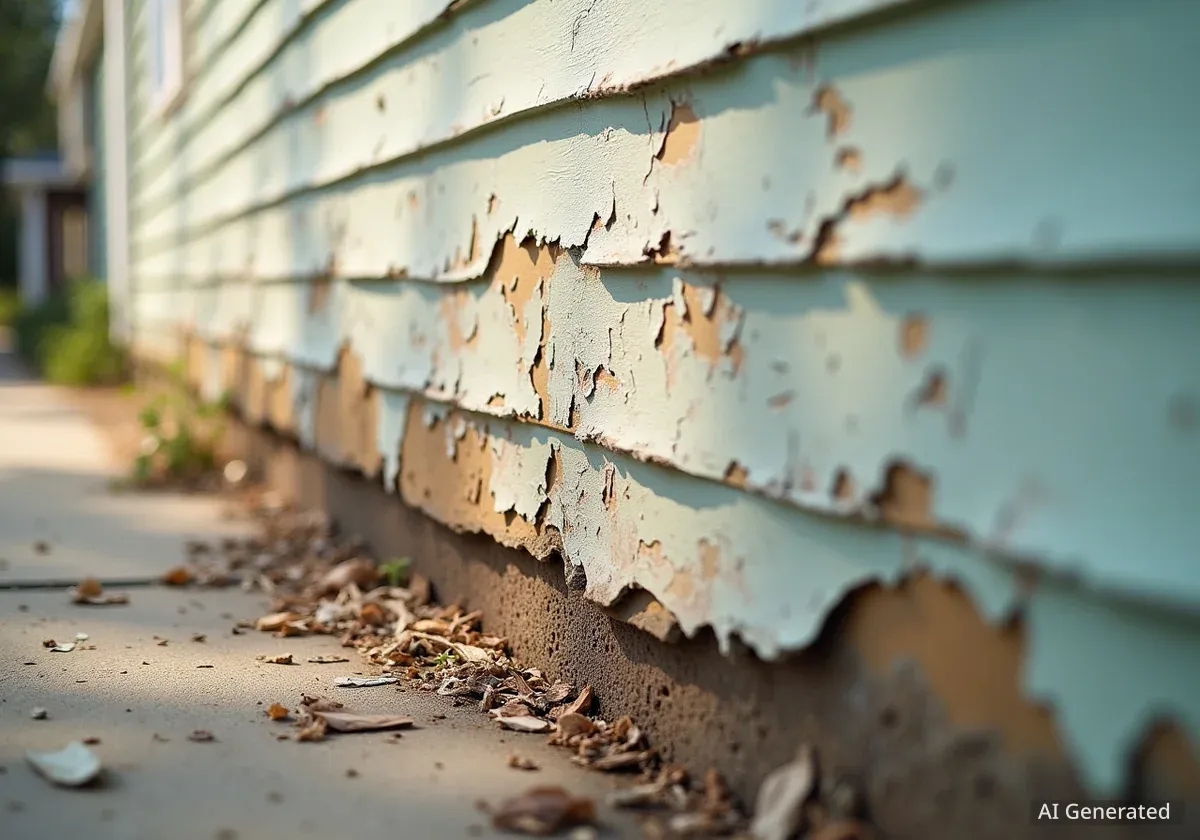
One of the most obvious and impactful exterior flaws is deteriorating paint. According to Jillene Cahill and Kambrin Thorne, a real estate team at Summit Sotheby’s International Realty, this is a major buyer turnoff. Chipped, peeling, or faded paint makes a home look old and poorly maintained.
The agents suggest that a fresh coat of exterior paint is a worthwhile investment. It can instantly make a property feel "clean, cared-for, and move-in ready," which helps overcome buyer objections before they even walk inside.
4. Damaged Siding and Stonework
Similar to paint, siding in poor condition can ruin a first impression. "Old, faded, warped, or damaged siding makes a home look tired and raises questions about moisture intrusion or insulation issues," Strand explains. Even if the damage is only cosmetic, buyers see it as a future expense they'd rather avoid.
Loose or missing stonework creates a similar problem, suggesting poor maintenance and potential safety hazards. Cahill and Thorne note that repairing and cleaning exterior stonework is almost always worth the investment because it restores a buyer's confidence in the home's quality.
Landscaping and Water Management Concerns
The area immediately surrounding the house is just as important as the structure itself. Overgrown yards and signs of water problems are significant red flags.
5. Visible Drainage or Water Issues
Pooling water near the foundation, moss growth on siding, or improper grading are alarming signs for buyers. These issues point to potential water damage, mold, or a failing drainage system—all of which can lead to expensive and complicated repairs.
Strand says these problems scare buyers quickly. Fortunately, the solutions are often straightforward. "Simple grading adjustments, extending downspouts, or improving drainage can often solve the issue and show buyers that the problem has been addressed," she recommends.
6. Neglected Landscaping
An unkempt yard can be interpreted as a reflection of the home's overall condition. "Landscape neglect, such as dead vegetation, overgrown shrubbery, and an unkempt yard, speaks to neglect about the entire home," says Rhodes.
"Buyers draw impressions within seconds of arriving at the property." - Sain Rhodes, Clever Offers
Investing a modest amount in landscaping can yield significant returns. Rhodes suggests a budget of $1,000 to $3,000 to remove dead plants, trim shrubs, and add fresh mulch can dramatically improve curb appeal and make a property far more inviting.
Finishing Touches That Make a Difference
Finally, smaller components of a home's exterior can have an outsized impact on a buyer's perception.
7. Broken or Dented Garage Doors
A garage door often makes up a large portion of a home's facade. A dented, broken, or outdated door can detract from the entire property's appearance. Cahill and Thorne emphasize that sellers often underestimate the importance of this feature. Cleaning, repainting, or replacing a garage door is a relatively simple upgrade that can significantly elevate a home's curb appeal.
8. Damaged Windows
Broken seals, fogged glass, or cracked panes in windows are another immediate turnoff. Not only do they look bad, but they also signal poor energy efficiency and the potential for water leaks. Buyers will quickly add the cost of window replacement to their mental list of necessary expenses, which can negatively impact their offer.
By addressing these eight common exterior issues, sellers can present their property in the best possible light, build buyer confidence, and pave the way for a smoother, more profitable sale.