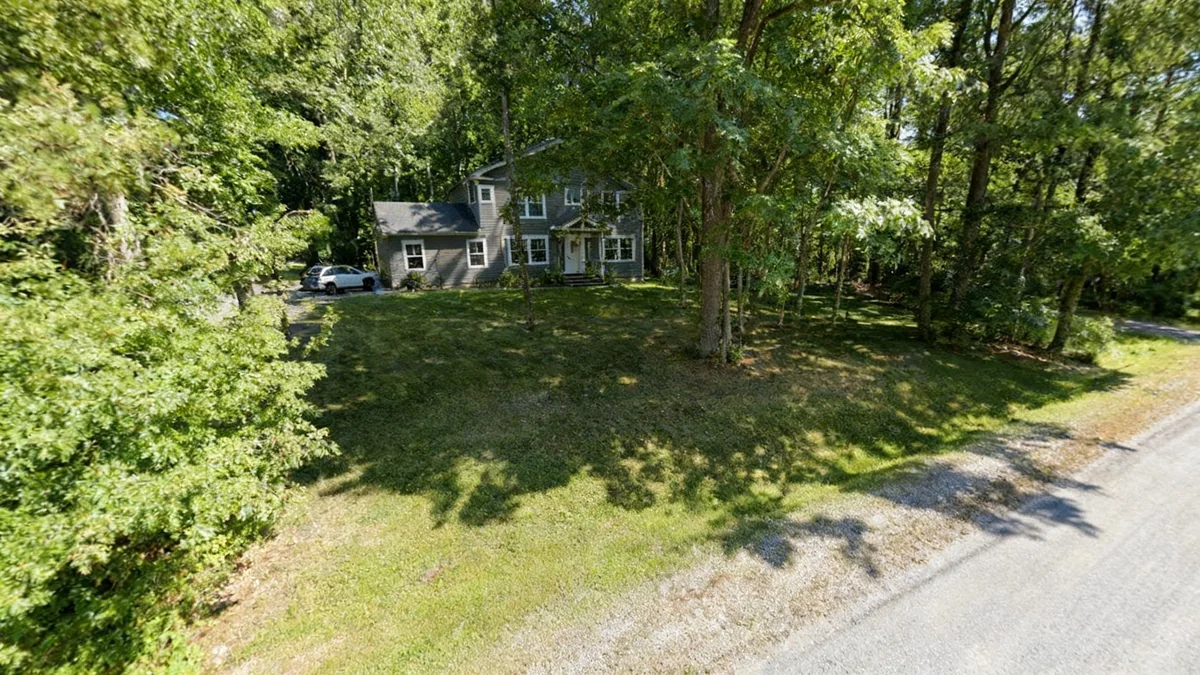

A wave of sophisticated real estate fraud is sweeping through Arizona, costing property owners an estimated $50 million over the past year. Criminals are increasingly targeting vacant land, with these parcels now involved in the majority of fraudulent transactions, according to industry experts.
Key Takeaways
- Arizonans have lost approximately $50 million to real estate fraud in the last 12 months.
- Vacant land parcels are the primary target, accounting for 62% of all reported deed fraud cases.
- Out-of-state property owners are particularly vulnerable to these schemes.
- Preventative tools, such as Maricopa County's Title Alert program, are available to help owners monitor their property records.
A Surging Threat to Landowners
Real estate professionals across Arizona are raising alarms about a significant increase in property fraud. The schemes, which involve criminals illegally selling property they do not own, have become a major financial threat to unsuspecting landowners.
"The fraud is running rampant right now," said Jeff Cayton, a realtor with a decade of experience in the Valley. He noted that his team has encountered multiple instances of this activity. "The land fraud is very big, and I’ve experienced this multiple times, as well as my team members and people in my company."
By the Numbers
A recent national survey highlights the scale of the issue, revealing that 62% of real estate deed fraud cases now involve vacant parcels of land. This marks a significant shift in criminal focus towards undeveloped properties.
Why Vacant Land is a Prime Target
Criminals have identified a key vulnerability in the real estate market: property that is not actively monitored by its owner. Vacant lots, particularly those owned by individuals living outside of Arizona, fit this profile perfectly.
Sindy Ready of the Arizona Realtor Association explained the typical scenario. "In Arizona, many times it’s out-of-state owners that have these properties that think it’s down the road they’re going to build a second home on the property," she said.
These owners often do not visit the property for long periods, making it easier for fraudsters to operate without immediate detection. The properties are frequently owned outright, with no mortgage, which simplifies the process for criminals to forge documents and initiate a sale.
The Mechanics of the Scam
The fraud begins when a criminal identifies a target property, usually by searching public records. They then impersonate the legitimate owner, using forged documents to transfer the property's title into their own name or the name of a shell company.
Once they have control of the title, they list the property for sale, often at a price below market value to attract a quick cash buyer. The transaction closes, the criminals disappear with the money, and the legitimate owner remains unaware until they receive a tax bill for a property they no longer officially own, or the new buyer attempts to develop the land.
"It can be very devastating to the seller and also to a buyer if you get into this and put money in the deal, and then you find out that you bought a property that was a deed fraud scenario," Ready warned.
How Owners Can Protect Themselves
While the threat is serious, experts emphasize that property owners are not helpless. Several tools and strategies can significantly reduce the risk of becoming a victim of deed fraud.
Official County Programs
In Maricopa County, officials have launched a free service called Title Alert. This program automatically notifies a property owner via email whenever a document is recorded against their property. This provides an early warning of any unauthorized activity, allowing the owner to take immediate action.
Beyond official programs, there are other simple steps owners can take. Sindy Ready suggests setting up a Google Alert for your property's address. This service will notify you if the address appears in new online content, which could include a fraudulent real estate listing.
Experts recommend the following protective measures:
- Sign up for title alert services offered by your county recorder's office.
- Set up online alerts for your property address.
- Check your property records periodically with the county to ensure no unexpected changes have been made.
- Be wary of unsolicited offers to buy your property, especially if you have not listed it for sale.
For potential buyers, caution is also advised. A deal that seems unusually attractive should be a signal for extra scrutiny.
"If the deal sounds too good to be true, it may be something that is a red flag that you should look into," Ready concluded. Diligence from all parties involved in a real estate transaction remains the most effective defense against this growing criminal enterprise.