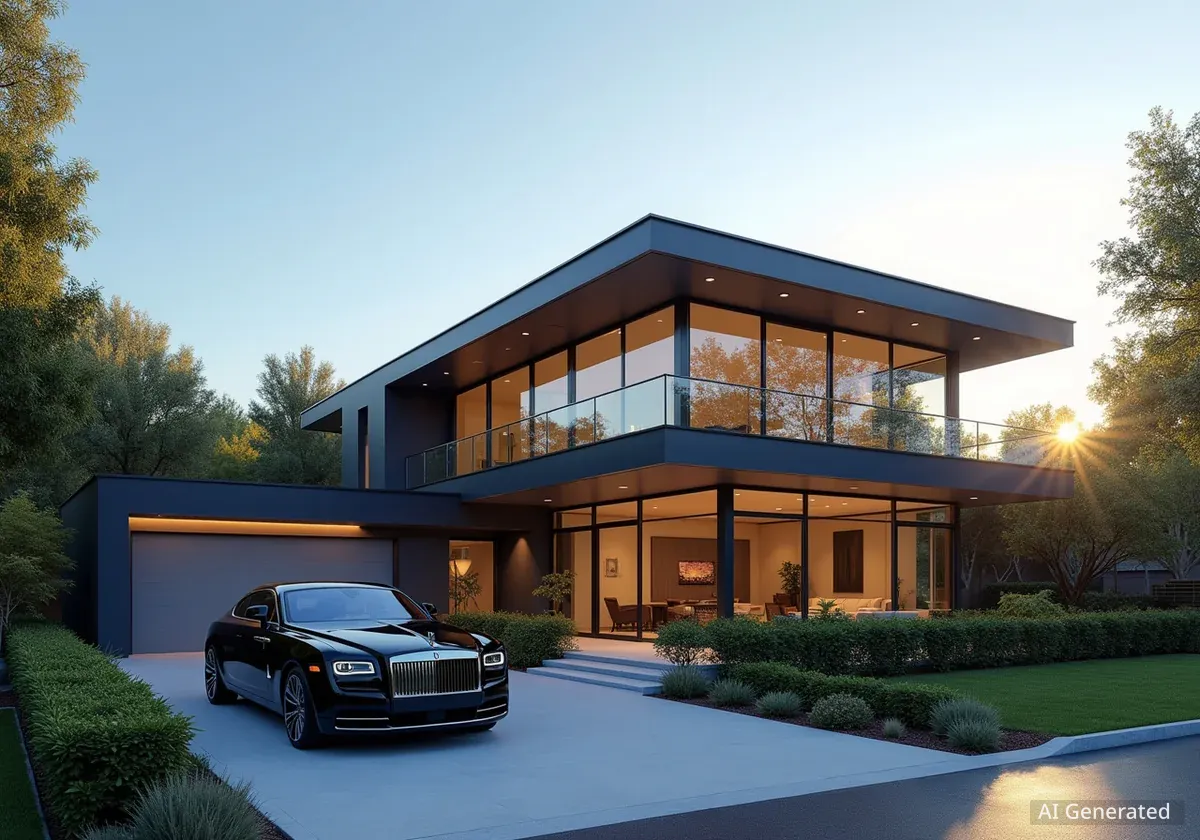
The San Francisco Bay Area's luxury real estate market experienced a surge in high-value transactions throughout 2025, fueled by a continuous influx of wealth from the region's thriving technology sector. A review of property sales reveals a landscape where eight and nine-figure deals, both on and off the market, have become increasingly common, reshaping the definition of high-end property in iconic neighborhoods from Atherton to Pacific Heights.
This trend highlights the powerful economic engine of Silicon Valley and its direct impact on residential property values. As new tech fortunes are made, the demand for exclusive, private, and amenity-rich homes has pushed sales prices to new heights, creating a highly competitive environment for the area's most desirable estates.
Key Takeaways
- The Bay Area's luxury home market saw record-breaking sales in 2025, driven by new wealth from the technology industry.
- Multi-million dollar transactions, including those exceeding $50 million, were prominent in exclusive enclaves like Atherton, Woodside, and Pacific Heights.
- Off-market deals, or "quiet sales," continue to represent a significant portion of the highest-end transactions, prized for their privacy.
- The concentration of wealth has created a distinct micro-market at the top tier, largely insulated from broader housing market fluctuations.
The Driving Force Behind the Boom
The primary catalyst for the 2025 luxury market's performance is the robust health of the Bay Area's technology industry. A series of successful IPOs, significant venture capital funding rounds, and substantial stock-based compensation for executives have injected massive liquidity into the regional economy. This new capital is flowing directly into tangible assets, with residential real estate being a primary choice for wealth preservation and lifestyle enhancement.
Unlike previous market cycles, the current demand is not just for large homes but for properties that offer a complete ecosystem of privacy, security, and bespoke amenities. Buyers are seeking expansive lots, state-of-the-art home offices, wellness centers, and seamless integration of indoor and outdoor living spaces. This has placed a premium on estates that can provide a resort-like experience within a private setting.
A History of Tech-Fueled Real Estate
The link between Silicon Valley's success and the local real estate market is a well-established pattern. The dot-com boom of the late 1990s and the social media boom of the early 2010s each created similar surges in property values. However, analysts note that the scale of wealth generated in the current era, particularly from AI and biotech advancements, has elevated the luxury market to an unprecedented level.
A Look at the Landmark Sales of 2025
While many of the most significant transactions of the year were conducted privately, public records and industry sources confirm a pattern of escalating prices. Neighborhoods long associated with wealth have solidified their status as epicenters of luxury real estate.
Atherton and Woodside Lead the Pack
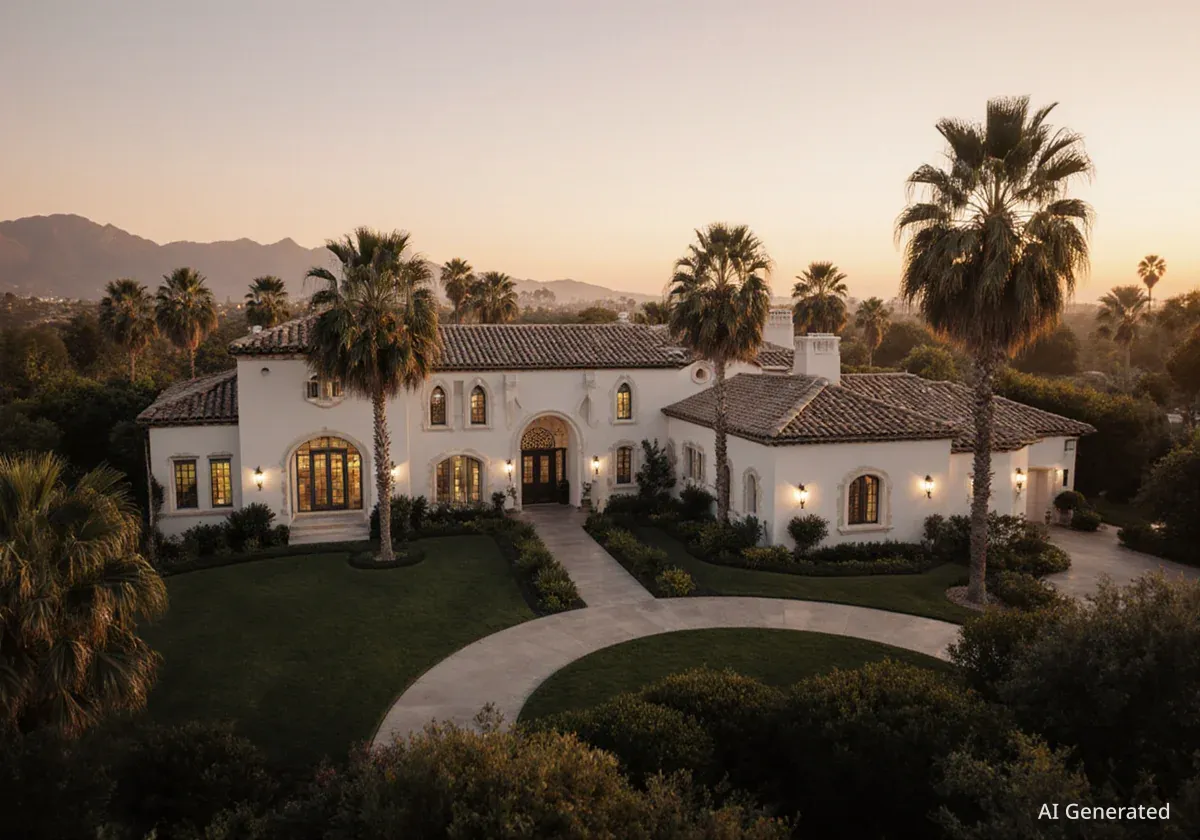
Atherton, consistently ranked as one of the nation's most expensive zip codes, continued its reign with several sales reportedly closing above the $40 million mark. These properties are typically sprawling estates of more than an acre, featuring custom-built main residences, guest houses, and extensive grounds. Similarly, the more rustic and private community of Woodside saw transactions for large equestrian properties and secluded modern compounds command top dollar.
The appeal of these locations lies in their combination of privacy, prestige, and proximity to the venture capital hub of Sand Hill Road and major tech campuses. For many tech executives, a home in Atherton or Woodside is not just a residence but a statement of success.
The Power of Off-Market Transactions
Industry experts estimate that as much as 40% of all transactions over $20 million in the Bay Area occur off-market. These quiet sales are preferred by high-profile buyers and sellers who wish to avoid public scrutiny and maintain control over the sales process. These deals are often facilitated through trusted networks of agents who specialize in the ultra-luxury segment.
What Defines a Luxury Property in Today's Market?
The definition of "luxury" has evolved. While location and size remain critical, the discerning buyers of 2025 are demanding a much higher standard of features and finishes. The most sought-after properties often include a specific set of modern amenities:
- Comprehensive Wellness Facilities: This includes home gyms that rival professional fitness centers, yoga studios, saunas, cold plunge pools, and dedicated spa rooms.
- Advanced Technology and Security: Smart home integration is a given, but buyers are now looking for enterprise-grade cybersecurity, biometric access controls, and sophisticated surveillance systems.
- Entertainment and Hosting Spaces: Professional-grade home theaters, wine cellars with tasting rooms, and outdoor kitchens with extensive seating areas are now standard expectations.
- Sustainability Features: Eco-conscious design, including solar power, geothermal heating and cooling, and advanced water reclamation systems, is increasingly important to buyers.
"We're no longer just selling a house; we're selling a private, self-contained lifestyle. The 2025 buyer wants the amenities of a five-star resort without ever having to leave their property," noted a prominent Bay Area real estate agent specializing in high-end properties.
The Broader Economic Implications
The surge at the top end of the real estate market has a ripple effect throughout the region. While it underscores the area's economic vitality, it also widens the gap in housing affordability. The concentration of wealth creates a unique economic dynamic, where one segment of the market operates on a completely different scale from the rest.
This intense activity also generates significant tax revenue for local municipalities, funding schools, infrastructure, and public services. However, it simultaneously places pressure on the existing housing stock and contributes to the ongoing debate about wealth inequality in one of the nation's most prosperous regions.
As 2025 comes to a close, the Bay Area's luxury real estate market shows no signs of slowing. As long as the technology sector continues to generate immense wealth, the demand for exclusive and exceptional properties will likely continue to push prices into record territory, solidifying the region's status as a global hub for luxury living.