As Greater Cincinnati enters 2026, the region is poised for a significant transformation driven by a series of ambitious and complex development projects. While these initiatives signal economic growth and modernization, they have also ignited passionate community discussions, particularly where new construction replaces historical landmarks.
At the center of this debate is the new Farmer Music Center, a state-of-the-art facility rising on the grounds of the former Coney Island amusement park. The project highlights a recurring theme in the city's evolution: a delicate balance between honoring a cherished past and building for the future.
Key Takeaways
- Greater Cincinnati is undertaking several major, and often controversial, development projects in 2026.
- The Farmer Music Center, under construction at the former Coney Island site, is a focal point of public debate.
- The closure of Coney Island and its historic Sunlite Pool in 2023 has led to strong feelings of nostalgia and resistance from some community members.
- This trend reflects a broader regional pattern of tackling difficult, high-impact construction that reshapes the local landscape and identity.
A Region Defined by Ambitious Construction
Greater Cincinnati has developed a reputation for tackling challenging urban development projects. From revitalizing historic districts to undertaking massive infrastructure upgrades, the region consistently demonstrates a willingness to invest in large-scale, transformative initiatives.
This pattern continues into 2026, with a slate of projects designed to enhance the area's cultural and economic profile. However, this ambition often comes with complexity. Many of these developments involve navigating sensitive historical sites, vocal community feedback, and intricate engineering challenges.
The current landscape of construction suggests a city in transition, grappling with its identity as it modernizes. The key question for residents and planners alike is how to build a prosperous future without erasing the soul of the city's past.
The Farmer Music Center A Symbol of Change
No project better illustrates this dynamic than the Farmer Music Center. Currently under construction, the venue is set to become a premier destination for live performances. Its development, however, required the demolition of Coney Island, a beloved local institution for generations.
A Farewell to a Landmark
Coney Island, which officially closed its gates in 2023, was a staple of Cincinnati summers for over a century. Its Sunlite Pool, once the largest recirculating swimming pool in the world, held a special place in the memories of countless residents. The closure was met with widespread disappointment and a concerted effort by an advocacy group to preserve the historic property.
The decision to move forward with the music center has been a point of significant tension. Proponents view it as a necessary step forward, bringing new energy and economic activity to the riverfront. They argue that such a modern facility is crucial for attracting top-tier entertainment and solidifying Cincinnati's status as a cultural hub.
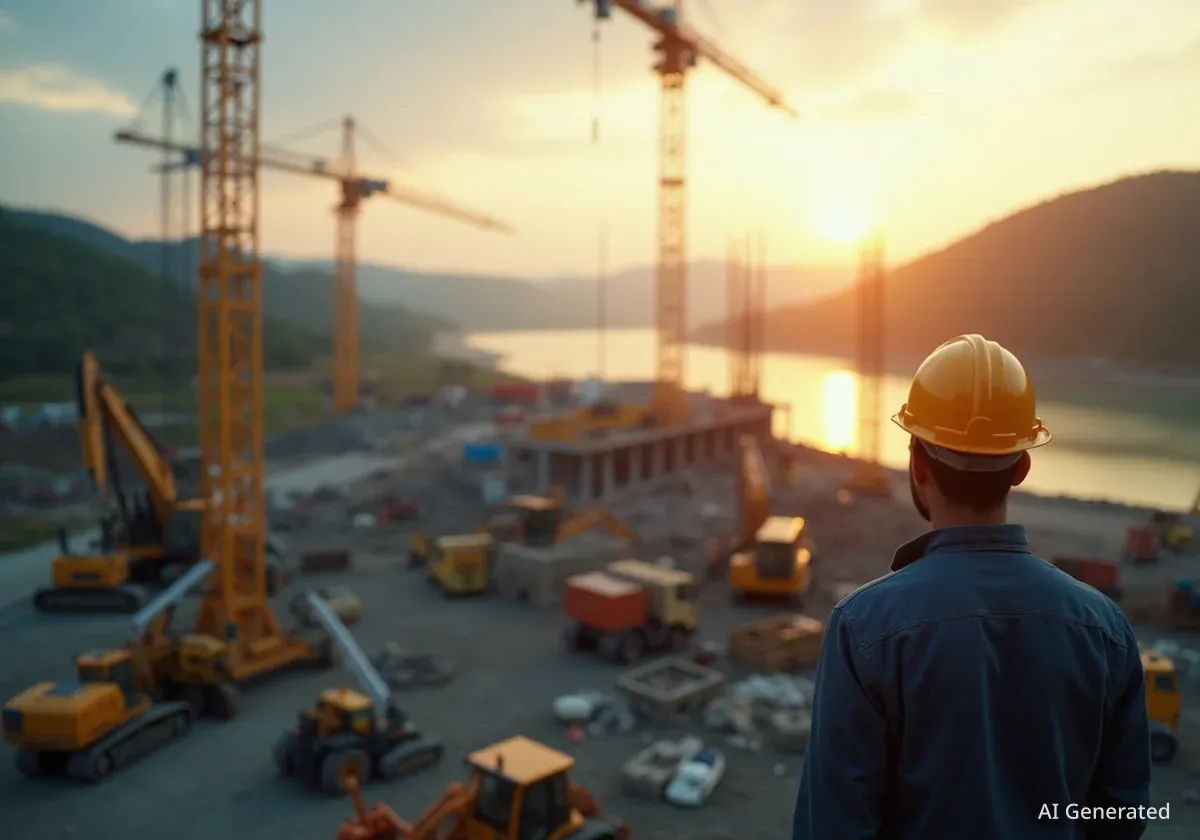
For many others, the construction site represents a profound loss. The sight of bulldozers on the land where the Sunlite Pool once shimmered has been a difficult one for those with deep emotional ties to the former amusement park.
Community Reaction Nostalgia Meets Progress
The public discourse surrounding the Farmer Music Center is a microcosm of a larger conversation happening across the region. As new buildings rise, residents are forced to confront the emotional weight of change.
Social media and community forums are filled with shared memories of Coney Island, from family outings to first dates. These personal histories fuel the sense that more than just a pool was lost; a piece of the community's collective identity was paved over.
An advocacy group formed shortly after the 2023 closure announcement actively campaigned to save Coney Island, highlighting the deep-seated community attachment to the historic site.
Yet, there is also a palpable sense of excitement for what's to come. Many residents, particularly younger generations and those new to the city, are enthusiastic about the new developments. They see the construction as a sign of a vibrant, forward-looking city that isn't afraid to reinvent itself.
"Everywhere you look, someone has an opinion. It shows people care deeply about this place, whether they're fighting to preserve it or pushing to build something new."
This division underscores the central challenge for city leaders and developers: how to manage growth in a way that feels inclusive. The debate is not simply about brick and mortar; it's about what kind of city Cincinnati wants to be in the decades to come.
The Broader Development Landscape
While the Farmer Music Center captures the headlines, it is just one piece of a larger puzzle of regional development for 2026. Other significant projects are also reshaping neighborhoods and creating new opportunities.
These initiatives, though less emotionally charged, still represent the region's commitment to ambitious building. They include:
- Mixed-use developments in burgeoning neighborhoods, designed to increase housing density and create walkable communities.
- Infrastructure upgrades aimed at improving transportation and public utilities to support a growing population.
- Corporate campus expansions that promise to bring new jobs and attract talent to the area.
Each of these projects contributes to the ongoing narrative of a region in flux. They represent a collective bet on the future of Greater Cincinnati, one that embraces complexity and is not afraid of the difficult conversations that come with progress. As 2026 unfolds, the impact of these decisions will become increasingly clear, shaping the daily lives of everyone who calls the region home.