The mystery surrounding a record-breaking real estate transaction on Beverly Hills' iconic Rodeo Drive has been solved. French luxury fashion house Hermès has been identified as the buyer behind the $400 million acquisition, marking the most expensive retail property sale on the famed street in more than two decades.
The purchase, which was finalized last summer, had been the subject of industry speculation for months. The deal underscores a growing trend among high-end brands to invest heavily in flagship physical locations, signaling strong confidence in the future of luxury brick-and-mortar retail.
Key Takeaways
- French luxury brand Hermès purchased a property on Rodeo Drive for $400 million.
- The deal is the most expensive retail real estate transaction on the street in over 20 years.
- The new location at 338 N. Rodeo Drive is nearly 25,000 square feet, double the size of the current Hermès store.
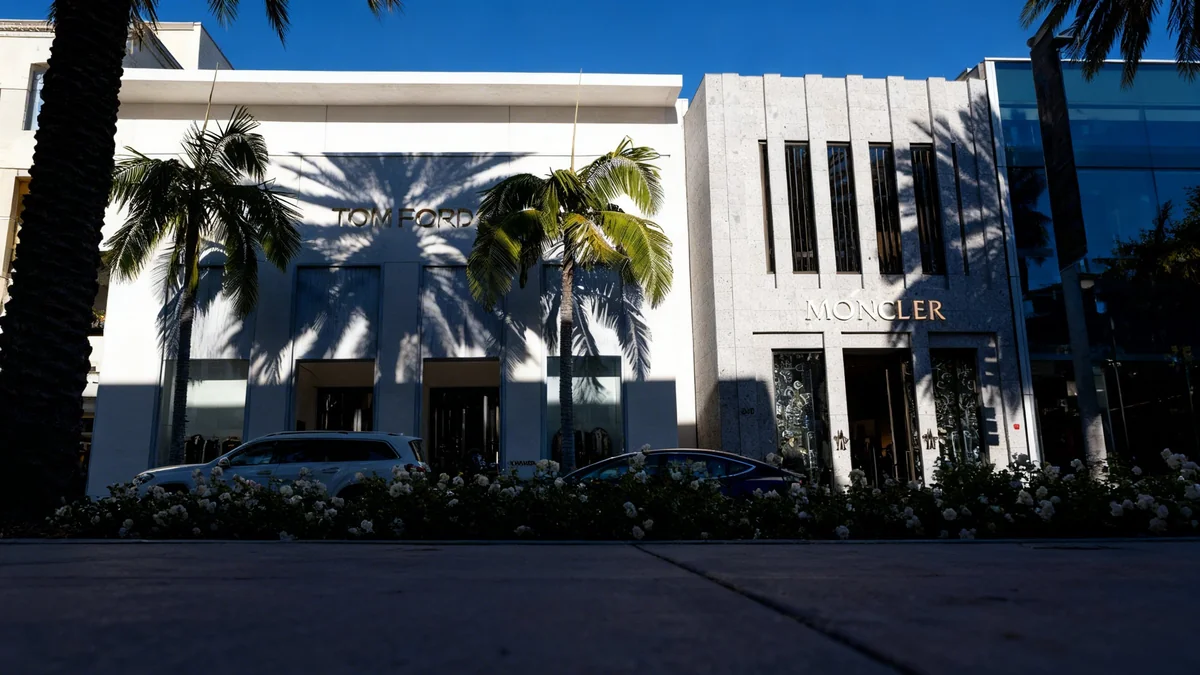
- The property is currently occupied by Tom Ford, Balenciaga, and Moncler, whose leases are not yet expired.
A Landmark Acquisition
The property involved in the sale is located at 338 N. Rodeo Drive. Spanning nearly 25,000 square feet, the new space is approximately twice the size of the company's existing store, which is situated just a few doors away. Hermès purchased its current Rodeo Drive storefront 15 years ago.
This $400 million transaction represents a significant investment and a long-term commitment to the Beverly Hills market. According to data tracked by real estate firm CBRE, it stands as the priciest acquisition of its kind on the street in more than 20 years.
Future Plans Remain Unclear
The newly acquired location is currently home to three other prominent fashion stores: Tom Ford, Balenciaga, and Moncler. The leases for these tenants are not set to expire for several more years, leaving Hermès' immediate plans for the property undisclosed. It is not yet clear how the brand will integrate the massive new space into its retail strategy.
Luxury Retail's Physical Expansion
While many sectors of the retail industry have reduced their physical footprint in recent years, luxury brands have moved in the opposite direction. Top-tier fashion houses are increasingly buying their real estate and expanding their flagship stores into larger, more immersive experiences.
Jay Luchs, a vice chairman at Newmark who brokered the transaction, commented on this trend.
"What you see now on Rodeo Drive is not only a commitment by the luxury brands that are able to buy their real estate, but you’re seeing the buildings get much bigger," Luchs said.
This strategy allows brands to control their environment completely, creating a destination for customers that goes beyond simple shopping. The investment in prime real estate is seen as a move to solidify brand presence and prestige in key global markets.
Intense Demand in Beverly Hills
The Hermès purchase highlights the fierce competition for commercial space in Beverly Hills. The market has tightened considerably since the pandemic, with extremely limited inventory available for brands seeking a coveted spot on Rodeo Drive.
Scarcity on the Strip
According to CBRE senior vice president Houman Mahboubi, there is currently only one vacant storefront available for a long-term lease on the entire street. This scarcity is a primary driver of rising property values.
"There just isn’t any inventory," Mahboubi explained. "The high demand from luxury brands that are seeking flagship locations are driving values up and creating pricing power for landlords."
This high-stakes environment means that when properties do become available, they command record prices, as seen in the Hermès transaction.
A Sign of Financial Strength
The massive real estate investment aligns with Hermès' strong financial performance and strategic pricing power. The Paris-based company began 2026 with another round of price increases on its most sought-after products.
In January, the brand increased prices on its iconic leather handbags in key markets:
- In the U.S., prices for Birkin and Kelly bags rose between 6.3% and 8.9%.
- In Europe, the price hikes were even steeper, ranging from 7.3% to 9.4%.
This ability to consistently raise prices without dampening demand demonstrates the brand's robust health. The $400 million real estate purchase is not just an expansion; it's a powerful statement about the brand's confidence in its future and the enduring appeal of luxury retail in prime physical locations.