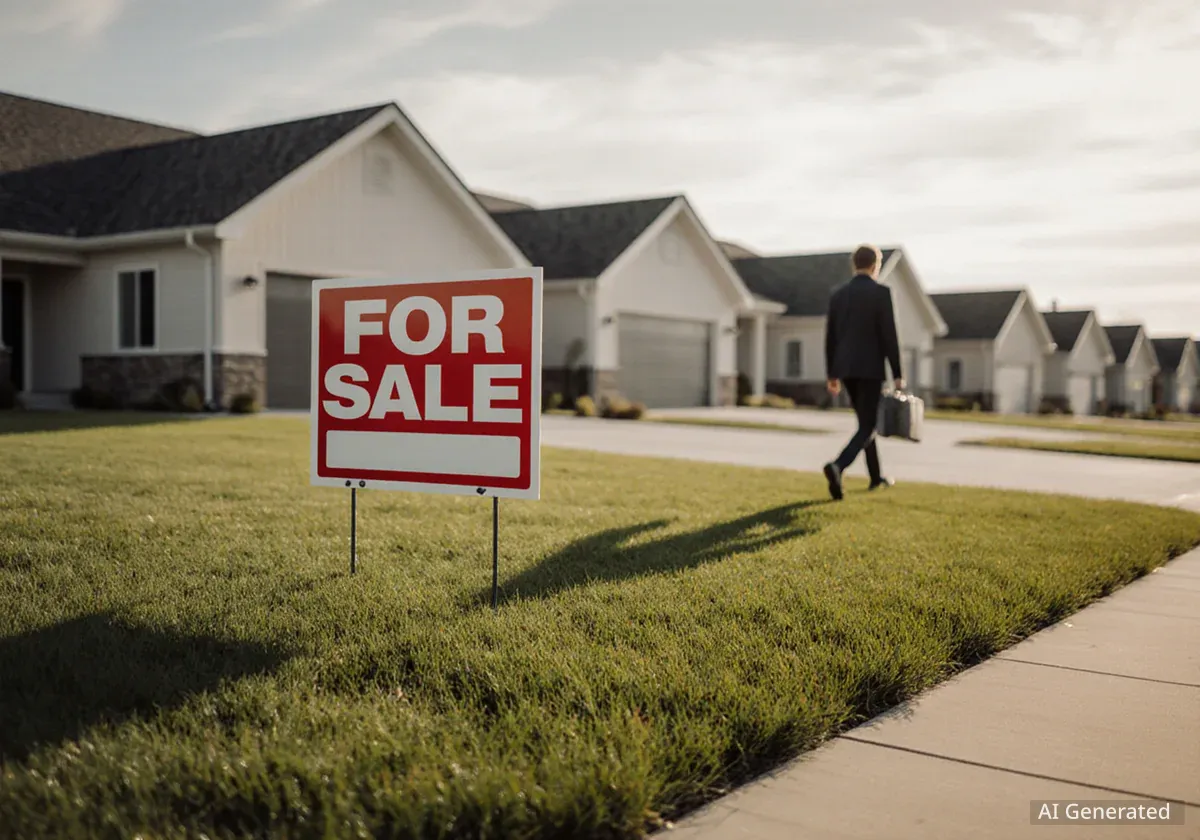
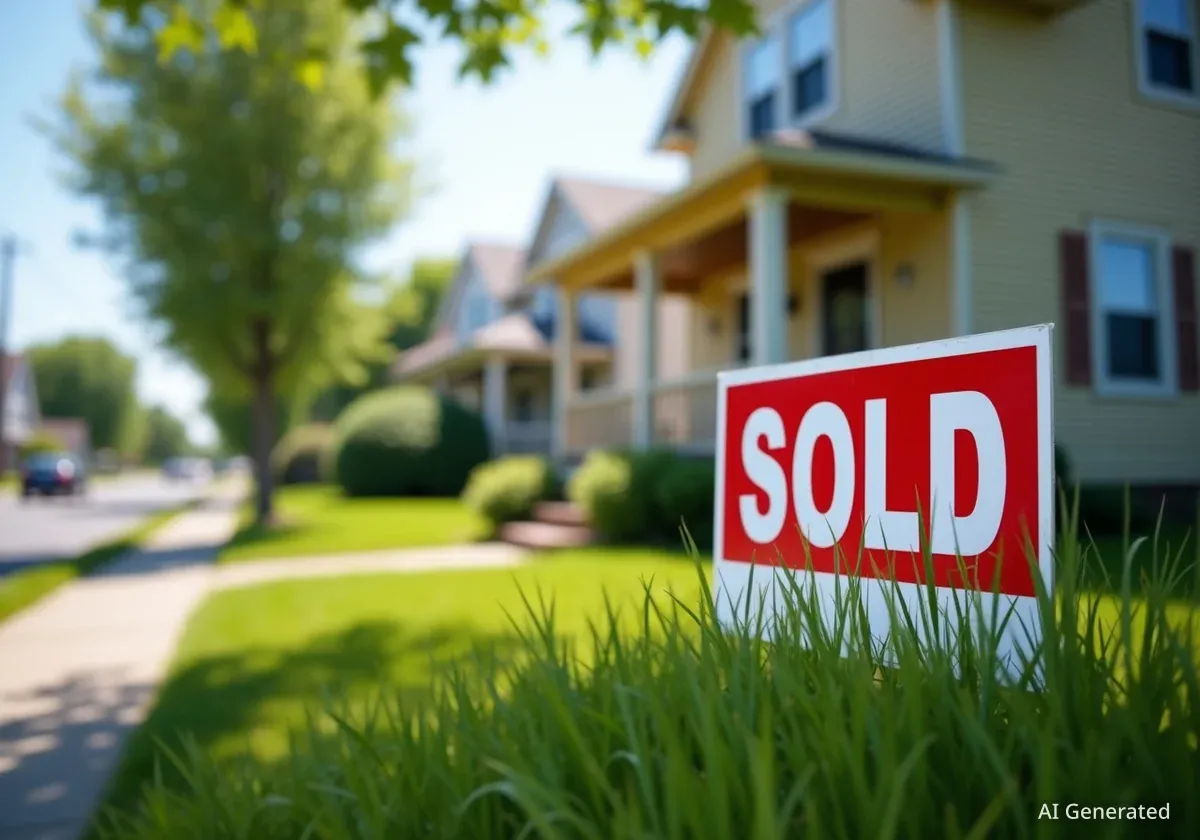
Homebuyers on Long Island are facing a surprising expense at the closing table: a 1% tax on properties sold for $1 million or more. Originally intended for luxury properties, New York State's "mansion tax" is now affecting buyers of increasingly modest homes as real estate prices continue to climb.
The tax, established in 1989, has never been adjusted for inflation. This has led to a situation where a standard family home, far from a traditional mansion, can trigger a significant tax bill, adding thousands of dollars to the already high cost of homeownership in the region.
Key Takeaways
- New York's "mansion tax" is a 1% levy on residential property sales of $1 million or more.
- The $1 million threshold was set in 1989 and has not been updated to account for over three decades of inflation and rising home values.
- Nearly 23% of single-family homes sold on Long Island in 2025 were subject to the tax, a significant increase from previous years.
- Real estate professionals and some lawmakers argue the tax is outdated and unfairly burdens middle-class families in high-cost areas.
An Outdated Threshold in a Modern Market
When the mansion tax was introduced by then-Governor Mario M. Cuomo in 1989, a $1 million home was a rarity. At the time, the median sale price for a single-family home in Nassau County was just $188,000, with western Suffolk County at $152,000. A million-dollar price tag truly signified a luxury estate.
Fast forward to today, and the Long Island real estate market tells a very different story. Fueled by limited inventory and high demand, property values have soared. Recent data shows the median home sale price in Nassau County has reached $840,000, while Suffolk County's median hit an all-time high of $725,000.
This dramatic shift means the $1 million mark is no longer the exclusive domain of sprawling mansions. It now captures a growing number of standard, middle-class homes, leaving many buyers feeling the tax is misnamed and misplaced.
By the Numbers
An analysis of 2025 home sales revealed that 22.8% of all single-family homes sold on Long Island closed for $1 million or more, making the mansion tax a common closing cost for a significant portion of the market.
What a Million Dollars Buys Today
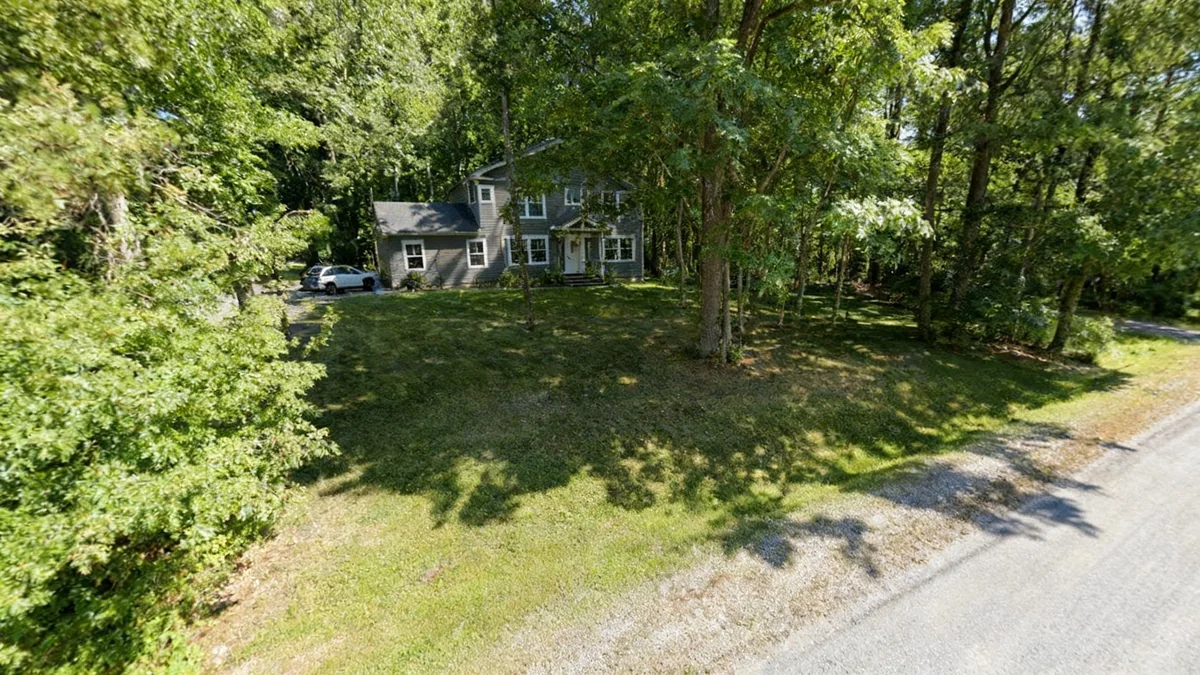
Real estate agents on the ground report that buyers are often surprised to learn they owe the tax on homes that don't fit the description of a mansion. Ted Kritikos of Daniel Gale Sotheby's International Realty recently assisted clients who purchased a 2,400-square-foot Colonial in Bayville for just over the threshold.
"They had to pay that mansion tax and they were like, 'Hey, we don't feel like we're in a mansion here,'" Kritikos recalled. He noted the home, built in 1994, was of modest size and needed some updates.
This experience is becoming common. Zachary Scher, an agent with Signature Premier Properties, sold a 2,000-square-foot split-level home in Dix Hills for $1.05 million. "When people think of mansions, they think of these giant, 5,000-square-foot-plus houses, and that's not really the case in most areas," Scher explained.
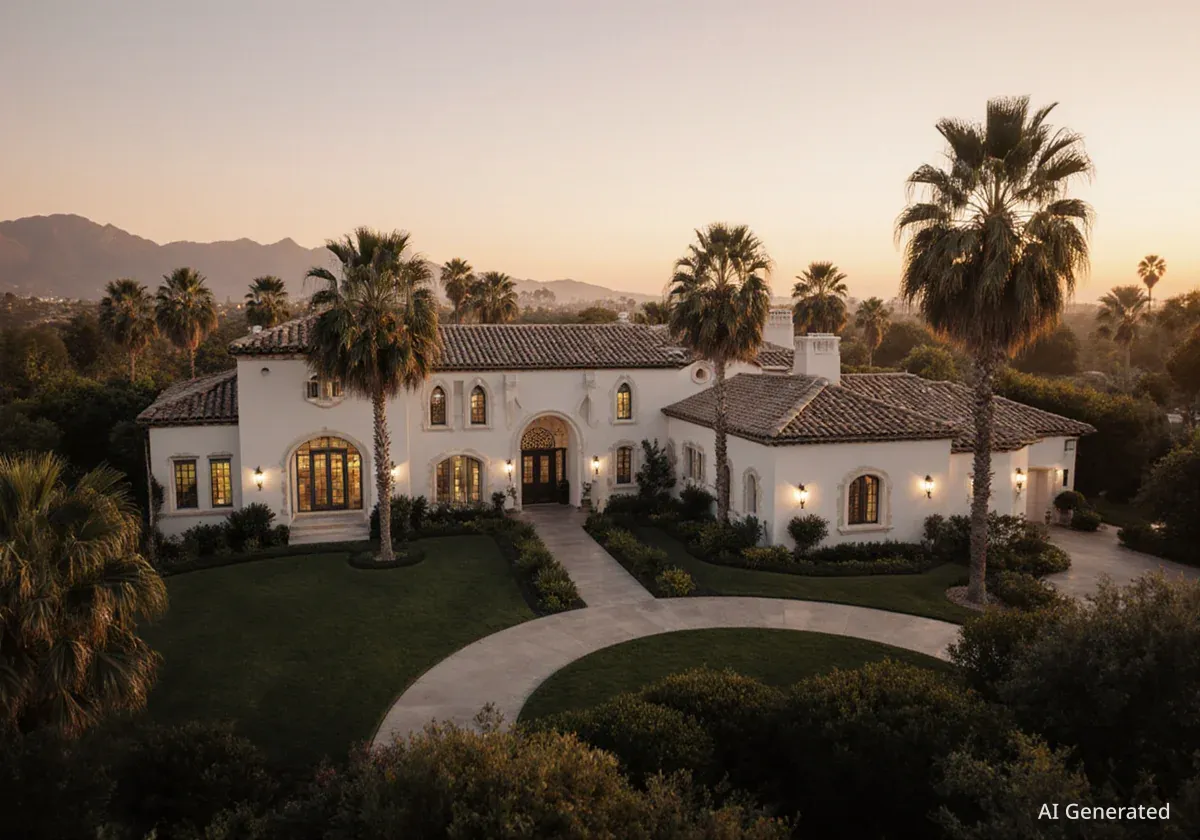
The term "mansion" itself is subjective, but real estate experts often have a clearer definition. "When I think of a mansion in Long Island, I think of something that is 5,000 square feet or over, with more than an acre of land," said Jonathan Miller, CEO of appraisal firm Miller Samuel.
The Buyer's Dilemma
The tax has a direct impact on buyer behavior. Scher noted that many potential buyers try to structure their offers to stay just under the million-dollar mark to avoid the extra 1% cost, which amounts to at least $10,000.
This can affect negotiations and final sale prices, creating an artificial ceiling in some transactions. For first-time homebuyers stretching their budgets to enter the competitive Long Island market, an unexpected $10,000 tax can be a significant financial hurdle.
Inflation's Impact
If the original $1 million threshold from 1989 were adjusted for inflation, it would be approximately $2.23 million in today's dollars. This highlights how many more properties are now subject to the tax than was originally intended.
Calls for Reform Face Political Headwinds
The disconnect between the tax's name and its modern application has led to calls for legislative change. Some real estate professionals believe the threshold should be raised or the tax should be tied to property size rather than price.
"Mansion tax should probably be tied to square footage, and that square footage, in my mind, is closer to 4,000 square feet," suggested Kritikos. This, he argued, would be a more accurate measure of what most people consider a mansion.
There is at least one legislative effort to address the issue. A bill sponsored by Assemblyman Nader Sayegh (D-Yonkers) proposes raising the mansion tax threshold from $1 million to $2 million. In his memo, Sayegh wrote, "Many properties that are currently subjected to this additional tax rarely classify as 'mansions,' but are instead highly priced due to the recent rising trend in real estate prices."
However, the bill has not gained momentum in the State Assembly, failing to advance through committee for five years. It also lacks a co-sponsor in the state Senate, signaling a lack of political appetite for the change. With the state benefiting from the increased revenue, there appears to be little incentive for lawmakers to adjust the threshold.
The Future of the Tax in a Hot Market
With no legislative changes on the horizon, the mansion tax is likely to affect even more Long Island homebuyers in the coming year. Market experts predict that prices will remain at or near record levels, driven by persistent low inventory and strong buyer demand.
Any potential drop in mortgage interest rates could further intensify competition, pushing more homes over the $1 million line. "As soon as rates come down, we expect even more competitive situations to arise," said Kritikos, noting that sidelined buyers will likely re-enter the market.
For now, Long Island residents must continue to factor this 35-year-old tax into their modern homebuying budgets. As Enzo Morabito, a luxury agent in the Hamptons, put it, what was once a tax on the ultra-wealthy is now hitting starter homes in some of the region's most desirable areas.