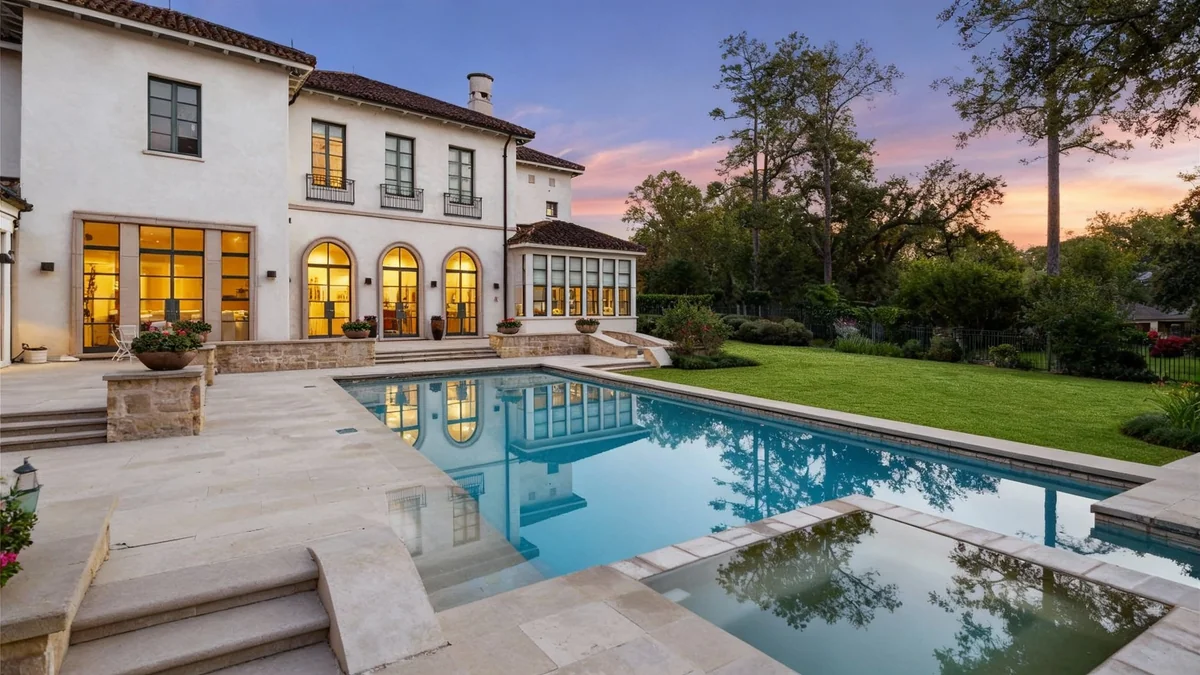
A significant shift is underway in the luxury real estate market, as wealthy families increasingly seek properties designed for multi-generational living. A new report reveals that nearly one in five high-end home purchases in the United States is now made with the intention of housing extended family members, a trend largely driven by Millennials and Gen X buyers.
Key Takeaways
- Demand for multi-generational homes is a dominant trend in the 2026 luxury real estate market.
- Approximately 20% of luxury property purchases in the U.S. are now intended for extended family living.
- Millennial and Gen X buyers are the primary drivers, seeking space for both children and aging parents.
- Enhanced privacy remains a top priority for affluent buyers, alongside family-centric amenities.
- Despite shifting preferences, major urban centers like New York City continue to attract wealthy buyers.
The Rise of the Modern Family Compound
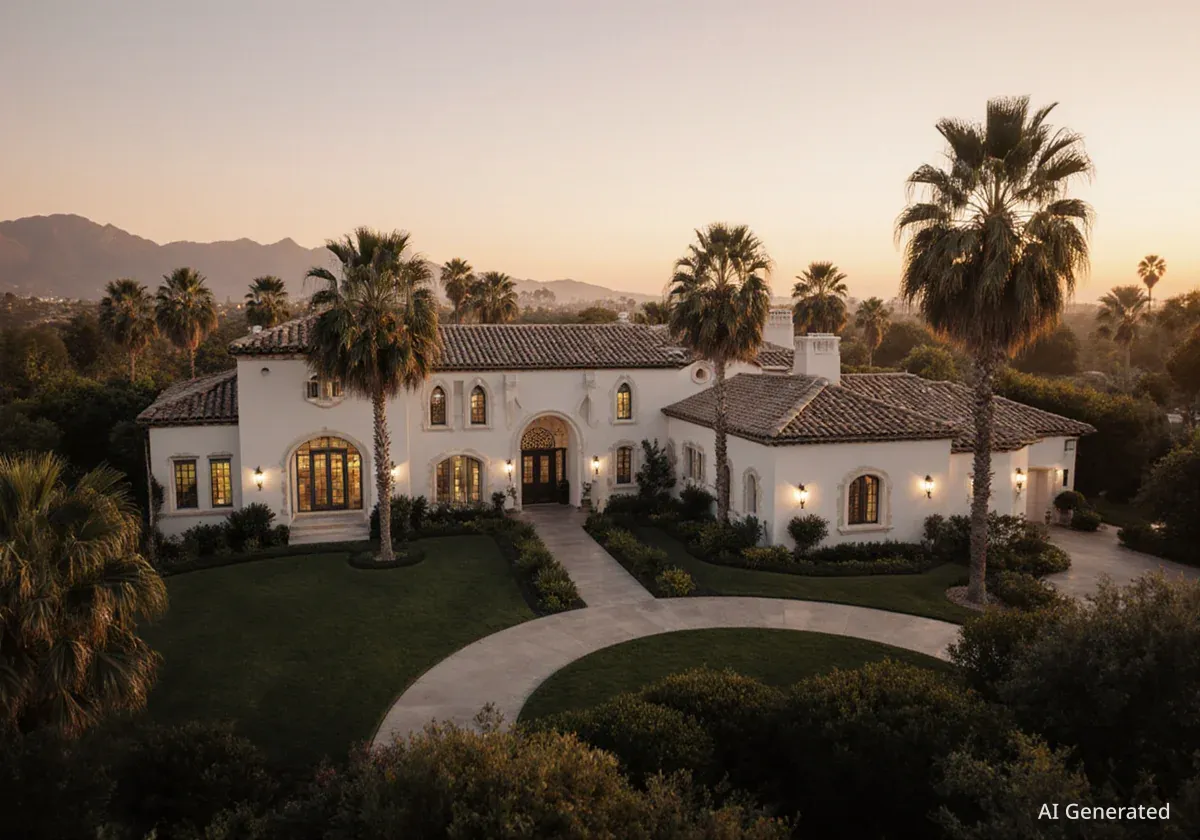
The traditional concept of a nuclear family home is evolving among the world's wealthiest buyers. Instead of separate residences, a growing number of affluent families are pooling resources to create shared living spaces that can accommodate grandparents, parents, and children under one roof, or within a single large estate.
This trend reflects a broader cultural and economic movement. Many Millennial and Gen X homeowners are finding themselves in the "sandwich generation," simultaneously caring for their young children and their aging parents. A multi-generational property offers a practical solution, providing proximity for caregiving and fostering stronger family bonds.
By the Numbers
According to the 2026 Luxury Outlook report from Sotheby’s International Realty, nearly one in five (19%) luxury home purchases in the U.S. is now made by buyers planning to live with relatives beyond their immediate family.
Bradley Nelson, the chief marketing officer at Sotheby's International Realty who oversaw the report, notes that this isn't just about convenience. It's a fundamental change in how families approach wealth and lifestyle. "We are seeing a clear pivot towards homes that serve as a central hub for the entire family," he explained. "Buyers want properties that are not just luxurious, but also functional for three or more generations."
What Buyers Are Looking For
The demand for multi-generational homes is reshaping property design and amenities. Buyers are no longer just looking for a high number of bedrooms; they are seeking specific layouts that offer both communal spaces and private sanctuaries for each family unit.
Key Property Features in Demand
- Separate Guest Houses: Detached or semi-detached casitas, carriage houses, or guest wings are highly sought after to provide autonomy for grandparents or adult children.
- Dual Primary Suites: Homes with two large, well-appointed primary bedrooms, often on different floors, are becoming a standard request.
- Flexible Living Spaces: Basements, lofts, and bonus rooms that can be converted into apartments or self-contained living quarters are a major draw.
- Enhanced Accessibility: Features like elevators, single-level living areas, and walk-in showers are crucial for accommodating elderly family members.
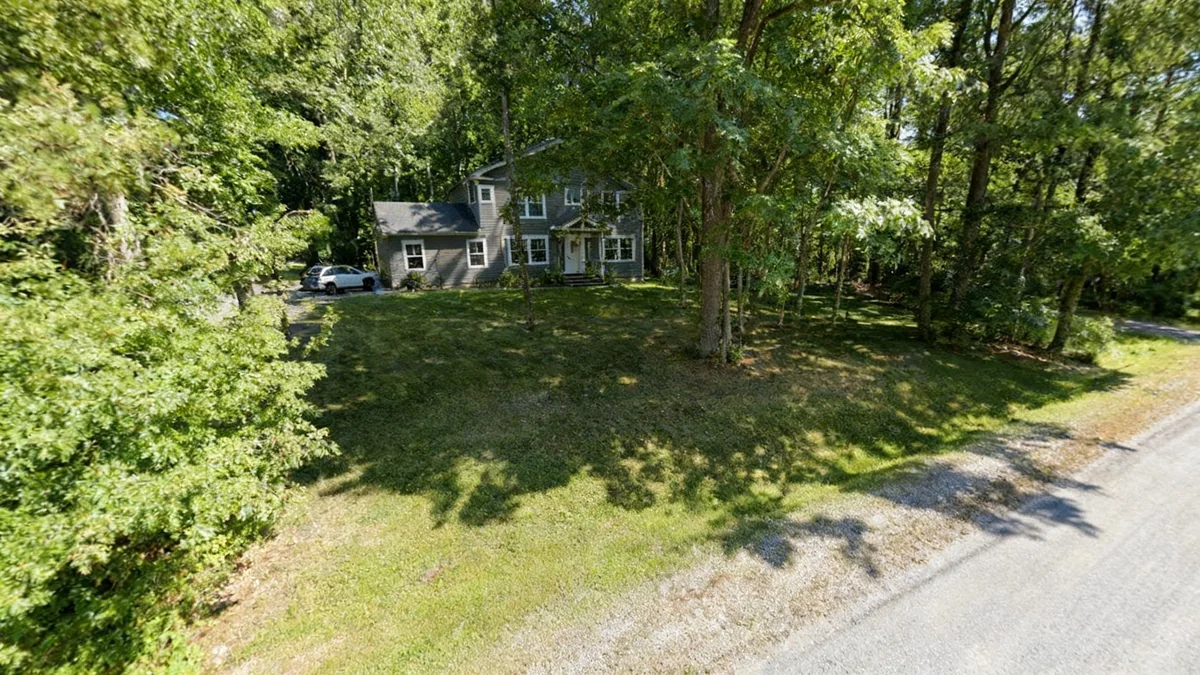
Beyond the structure of the house itself, privacy remains a paramount concern. Affluent buyers are investing heavily in properties with extensive grounds, gated entrances, and natural barriers like dense woods or long driveways to ensure seclusion from the outside world.
A Financial Strategy
The move toward combined households is also a strategic financial decision. In many cases, grandparents contribute significantly to the purchase, leveraging their accumulated wealth to help secure a larger, more accommodating property for the entire family. This pooling of resources allows for the acquisition of assets that might be out of reach for younger generations alone.
Urban Appeal Endures
While the image of a sprawling family compound might suggest a move to the suburbs or countryside, the report indicates that major metropolitan areas are not losing their luster among the wealthy. Cities like New York continue to be a primary focus for high-net-worth individuals, who value the cultural, business, and educational opportunities they provide.
The trend simply adapts to the urban environment. In cities, a multi-generational property might take the form of purchasing multiple adjacent apartments in a luxury condominium building or acquiring a large townhouse with separate floor-through units.
"The narrative of a mass exodus from major cities is overstated. What we're actually observing is a re-imagining of how to live in those cities. The desire for family proximity and privacy is being met with creative real estate solutions, whether it's a suburban estate or a consolidated vertical property in Manhattan."
This enduring appeal highlights that the core drivers for the wealthy—access, exclusivity, and investment stability—remain constant. The shift is not about where they live, but how they live with their families.
Implications for the Broader Market
The trends seen at the top end of the market often signal future shifts in the broader housing landscape. As more families embrace multi-generational living out of necessity or choice, architects and developers are likely to incorporate more flexible designs into new constructions at various price points.
Features like accessory dwelling units (ADUs) and suites with kitchenettes could become more common as the market adapts to this new family dynamic. For now, the luxury sector is leading the charge, redefining the concept of the family home for a new era.