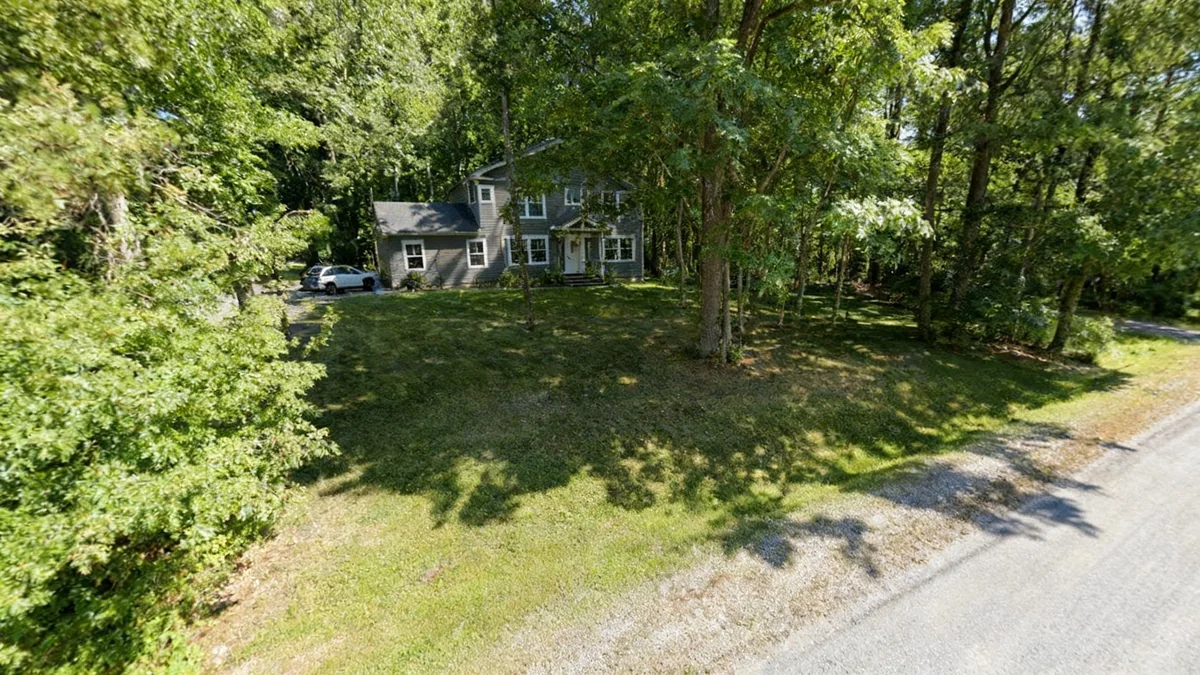

A proposal to transform Michael Jordan's former seven-acre estate in Highland Park, Illinois, into a public museum is facing significant debate among local officials and residents. The new owner presented a plan to the City Council, but concerns over traffic and neighborhood character have left the project's future uncertain.
The plan, introduced by property owner John Cooper, envisions the iconic home as an immersive experience called "Champions Point." However, the proposal was met with a mix of support for its potential economic benefits and strong opposition from neighbors worried about the impact of a commercial attraction in their residential area.
Key Takeaways
- A proposal has been submitted to rezone Michael Jordan's former Highland Park property into a museum and educational center named "Champions Point."
- The project's developer aims to create an experience focused on the theme of "greatness" and personal achievement.
- Local residents are divided, with some supporting the economic potential and others expressing fear over increased traffic and safety.
- The Highland Park City Council has not made a decision, requesting more information before proceeding.
The Vision for "Champions Point"
The new owner of the sprawling property at 2700 Point Lane, John Cooper, detailed his vision during a recent Highland Park City Council meeting. He is seeking a zoning change to convert the private residence into a unique public venue.
The proposed museum, named Champions Point, is intended to be more than a collection of memorabilia. Cooper described it as an "immersive, multi-sensory experience focused on personal transformation." The central theme would be exploring what it takes to achieve success in any field.
"The theme of the tour is going to be 'greatness,' and our goal is to kind of teach people what it means to be great at life," Cooper explained to the council.
The plan also includes an educational component, with Cooper mentioning the potential for "living classrooms." He proposed partnerships with local schools, the park district, and various nonprofit youth organizations. As part of this community-focused approach, the museum would offer dedicated days with free admission for these groups.
Cooper argued that while the project is a commercial venture, its community benefits would be substantial. "Although it is a commercial enterprise, I believe there will be great benefit to the community and anybody who gets to experience the museum," he stated.
A Landmark Property
Michael Jordan's former estate has been on and off the market for over a decade. The seven-acre property includes a massive main house, a full-size indoor basketball court, a pool pavilion, and a tennis court, famously marked with the number "23" on its entry gates. Its failure to sell as a private residence has opened the door for alternative uses like the one currently proposed.
A Community Divided by the Proposal
The City Council meeting provided a platform for public comment, revealing a sharp divide within the community. Several residents who live near the estate voiced strong opposition, citing concerns that a commercial attraction would fundamentally change their quiet neighborhood.
One speaker who lives next to the property expressed deep apprehension about the potential influx of visitors. "The thought of a large number of strangers coming in and out right next to our door brings us a lot of fear," she said, encapsulating the primary worry of many opponents.
Traffic, noise, and the general disruption associated with a tourist destination were common themes among those who spoke against the plan. They argued that a museum, no matter how well-intentioned, is not compatible with a residential zone.
However, the project is not without its supporters. Other community members see it as a unique opportunity to honor a local icon while stimulating the local economy. Claudia Martin, a supporter who spoke at the meeting, highlighted the positive aspects.
"This project not only celebrates the legacy of a Chicago icon but brings eco-growth and opportunity," Martin said.
Proponents believe that Champions Point could become a significant cultural and economic asset for Highland Park, drawing visitors and creating jobs while providing an inspirational message.
Official Response Remains Cautious
While the City Council listened to both sides, officials made it clear that the proposal is far from being approved. Several council members indicated that the plan, still in its preliminary stages, requires significant refinement and more detailed information.
Highland Park Mayor Nancy Rotering expressed skepticism about the project's framing, particularly the balance between its commercial and charitable elements. "There has been this emphasis on charitable approaches, but it's not truly the majority of this place," she commented during the meeting, suggesting the commercial nature of the enterprise needed more scrutiny.
Next Steps for the Proposal
No formal vote was taken at the meeting. The City Council has requested that the developer provide more comprehensive details on several key areas, including:
- Traffic and parking management plans
- Projected visitor numbers and hours of operation
- Specifics on the proposed community partnerships
- Financial projections and economic impact analysis
The Park District of Highland Park also issued a statement confirming it had been approached by Cooper. The district's board has authorized its executive director to "explore the possibility of a partnership with Champions Point that would provide public benefit to the community, congruent with the district's Mission and board approved policies."
This conditional exploration indicates that while local bodies are open to discussion, any collaboration will depend on a clear and tangible benefit for Highland Park residents. The future of the iconic property now rests on further discussions and whether the developer can address the serious concerns raised by both officials and the neighboring community.