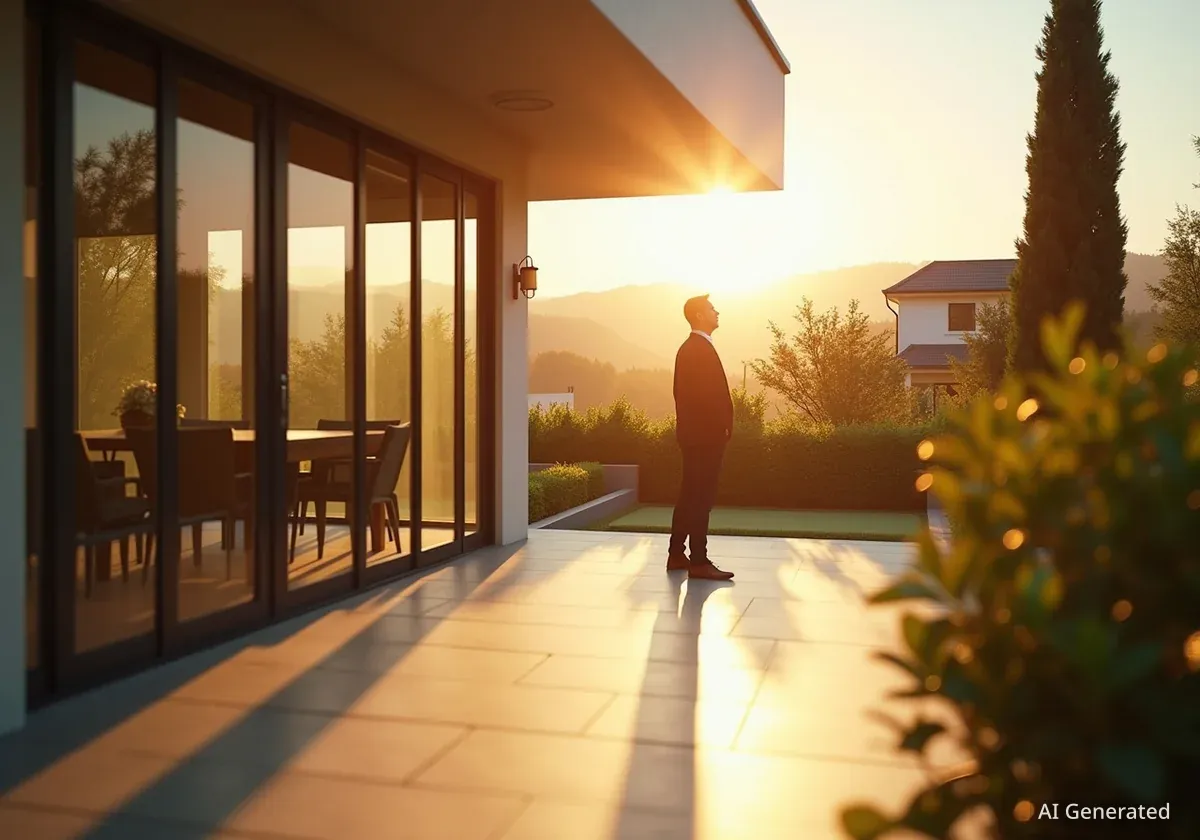
A noticeable trend is emerging in the Paris real estate market as affluent families and professionals begin to trade their city-center apartments for spacious homes in the surrounding suburbs. This migration is driven not only by a desire for more living space and greenery but also by the increasing appeal of suburban towns that now offer many of the cultural and commercial amenities once exclusive to the capital.
This shift reflects a change in lifestyle priorities, where the traditional allure of a Parisian address is being weighed against the practical benefits of suburban life. Communities that were once considered mere bedroom communities are now developing into vibrant, self-sufficient hubs, attracting a new generation of residents seeking a better quality of life without sacrificing convenience.
Key Takeaways
- Affluent Parisians are increasingly moving from central city apartments to larger homes in the suburbs.
- The primary drivers are the desire for more space, a calmer environment, and access to green areas.
- Suburbs like Garches are gaining popularity due to their evolving cultural scenes, improved shopping, and amenities.
- This trend highlights a re-evaluation of the urban-suburban lifestyle balance among French professionals.
The Search for a New Lifestyle
For many city dwellers, the confines of apartment living have become more pronounced. The decision to move is often a practical one, rooted in the need for more room for growing families and a quieter daily existence. This search for a different pace of life is leading many to look beyond the Périphérique, the ring road that separates Paris from its suburbs.
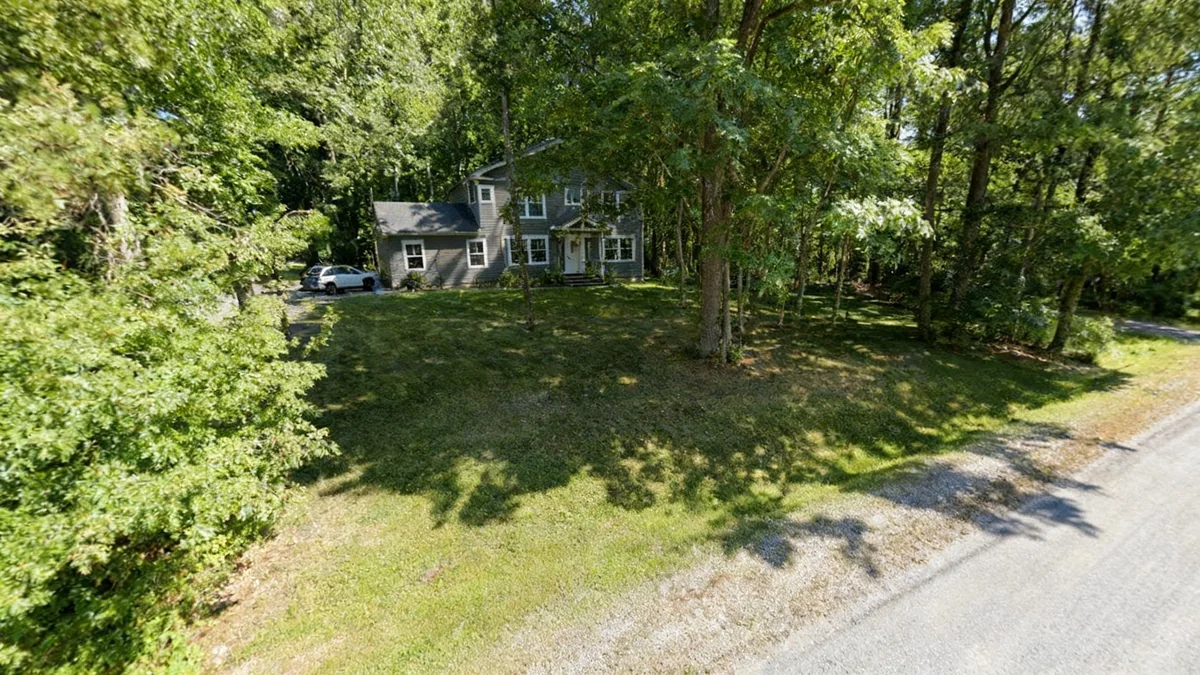
One such individual is Benjamin Fender, a 38-year-old entrepreneur and real estate developer. This fall, he made the decision to move his family of four from their 1,350-square-foot apartment in the bustling 17th Arrondissement of Paris. Their new home is a significant change: a six-bedroom house situated on a half-acre lot in the community of Garches, a suburb west of the city.
The property, with an asking price of 2.5 million euros (approximately $2.9 million), represents a substantial investment in a new kind of lifestyle. According to Fender, the move was prompted by a search for more room and “a calmer environment,” a sentiment shared by many making a similar transition.
Suburbs Evolve into Urban Hubs
Historically, the Parisian suburbs were often viewed as secondary to the cultural and social magnetism of the city center. However, that perception is rapidly changing. A key factor in Fender's decision was the growing appeal of the suburbs themselves, which are becoming “more like Paris” in terms of their offerings.
A Changing Landscape
The transformation of Paris's suburbs is not accidental. It's part of a broader urban development strategy, including projects like the Grand Paris Express, designed to better connect the suburbs with each other and the city center. This has spurred investment in local infrastructure, retail, and cultural facilities, making these areas more attractive and self-contained.
Today, many suburban towns boast their own high-end boutiques, gourmet restaurants, art galleries, and modern amenities. This evolution means residents no longer need to travel into the city for quality shopping or entertainment. For families like the Fenders, this blend of suburban tranquility and urban convenience is the ideal combination.
“He was also drawn to the growing cultural and shopping options that are helping to make the area’s suburbs ‘more like Paris.’”
This sentiment captures the essence of the new suburban appeal. It’s not about escaping the city entirely, but rather about finding a location that offers the best of both worlds: the space and peace of the suburbs with the dynamic culture of the city just a short distance away, or even right at their doorstep.
The Economics of the Move
While the price tag for a suburban villa like the one in Garches is high, the value proposition is compelling for those with the means. The cost per square meter in Paris remains among the highest in the world, and for €2.5 million, a family can acquire significantly more indoor and outdoor space in the suburbs than they could in a prime central arrondissement.
By the Numbers: Paris vs. Suburbs
- City Apartment: A 1,350-square-foot apartment in the 17th Arrondissement.
- Suburban Home: A six-bedroom house on a half-acre lot.
- Investment: The suburban property in Garches had an asking price of €2.5 million.
The transaction for the Fender family was handled by the real estate agency Daniel Féau Saint-Cloud, which specializes in high-end properties in the western suburbs. Agencies like this are seeing increased interest from city residents who are re-evaluating their housing priorities. The ability to have a private garden, home offices, and play areas for children has become a powerful motivator.
This migration also suggests a long-term confidence in the value of suburban real estate. As these communities continue to develop and attract affluent residents, property values are expected to remain strong, making such a move a sound financial decision as well as a lifestyle choice.
A Broader Shift in Urban Living
The trend of moving from Paris to its suburbs is part of a larger, global conversation about the future of urban living. The pandemic accelerated a re-evaluation of what people want from their homes and communities, placing a higher premium on space, nature, and work-life balance.
While Paris will always remain a global center of culture and commerce, the definition of a desirable Parisian lifestyle is expanding. It no longer exclusively means a Haussmannian apartment with a view of the Eiffel Tower. For a growing number of people, it now includes a house with a garden in a community that offers both serenity and sophistication.
As the suburbs continue to mature, offering richer cultural landscapes and improved connectivity, the flow of residents from the city center outward is likely to continue. This dynamic is reshaping the demographic and economic map of the entire Île-de-France region, creating a more distributed and diverse metropolitan area.