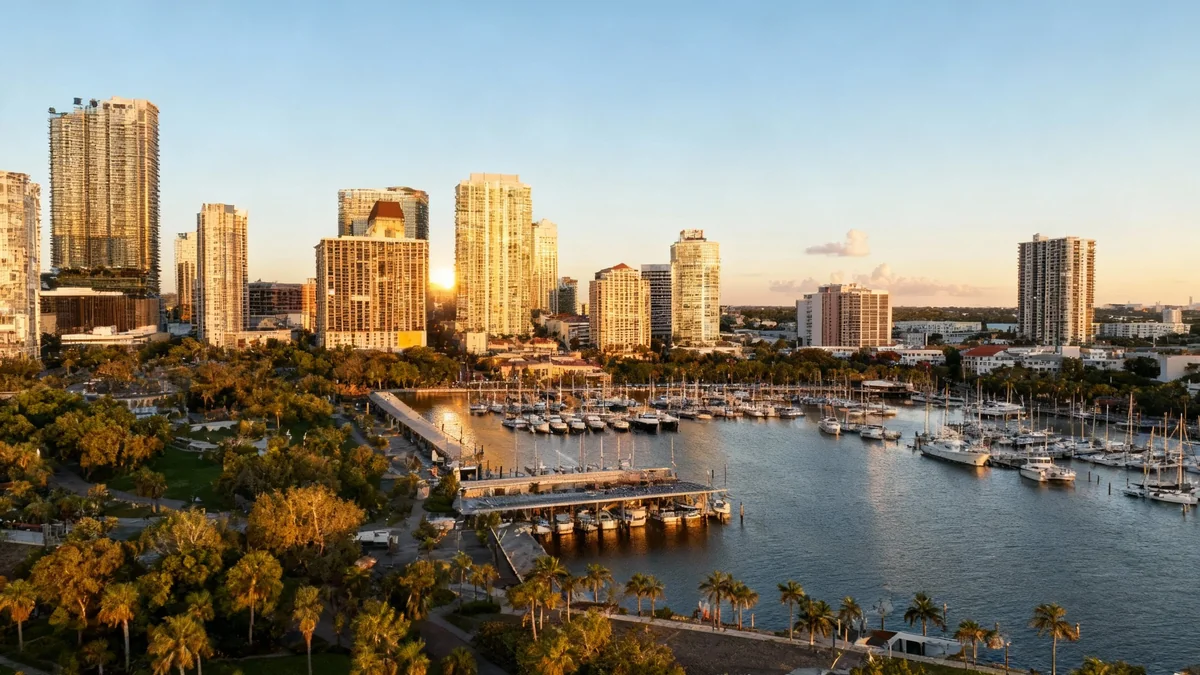
The Tampa Bay area is in the midst of a transformative real estate boom, with widespread development altering the skylines and neighborhoods of Tampa, St. Petersburg, and Clearwater. This surge in construction is not isolated to one city but reflects a connected regional market driven by population growth, job creation, and significant investment across residential, commercial, and mixed-use projects.
From new downtown towers to sprawling multifamily communities in the suburbs, the rapid pace of change is reshaping the economic landscape of Florida's west coast. The growth brings both opportunities and challenges, influencing housing supply, infrastructure demands, and the very identity of its urban centers.
Key Takeaways
- Tampa Bay is functioning as a single, interconnected real estate market, with development in one city impacting the entire region.
- Growth is occurring simultaneously across all sectors, including residential, commercial, office, and infrastructure projects.
- Urban cores like Downtown Tampa and St. Petersburg are experiencing intense investment, leading to increased density and new mixed-use districts.
- Population growth is putting significant pressure on the housing supply, driving extensive multifamily and apartment construction throughout the area.
A Unified Market Fueling Regional Growth
The real estate activity across Tampa Bay is best understood as one cohesive market rather than a series of separate city-level trends. Investment decisions in St. Petersburg directly influence housing availability in Tampa, while commercial development in Clearwater can affect job markets across the bay. This interconnectedness is a defining feature of the current boom.
Developers and investors are increasingly viewing the region holistically. Major projects, whether they are residential towers or new office complexes, are planned with the entire metropolitan area's workforce and housing needs in mind. This approach recognizes that people often live, work, and seek entertainment across city lines.
The Symbiotic Rise of Tampa and St. Pete
While both major cities are growing, they are doing so in complementary ways. St. Petersburg has seen a significant increase in its condominium supply, offering new options for urban living. In contrast, Tampa's condo market has remained tighter, pushing demand toward other housing types.
This dynamic illustrates the regional interplay. As one area adds a specific type of housing, it can alleviate pressure or shift demand in another. The result is a more balanced, albeit rapidly expanding, regional housing ecosystem.
Context: The Economic Drivers
The region's growth is not accidental. It is fueled by strong job growth, particularly in the finance, technology, and healthcare sectors. Major corporate relocations and expansions have attracted a steady stream of new residents, creating sustained demand for housing and commercial services. This economic foundation provides the confidence for long-term development projects.
Massive Projects Redefining Urban Cores
Large-scale development is physically transforming Tampa Bay's most prominent districts. Downtown Tampa, Water Street, Channelside, and Downtown St. Petersburg are hubs of construction, with new towers and mixed-use districts rising at a rapid pace. These projects are central to the region's strategy of creating dense, walkable urban environments.
These developments are not just about adding buildings; they are about creating destinations. They combine residential units with office space, retail stores, restaurants, and public amenities. This integrated approach aims to build vibrant communities where residents can live, work, and play without relying heavily on cars.
By the Numbers: A Snapshot of Development
- $34.7 Million: Cost of the new Fair Oaks Recreation Center in East Tampa, an example of community-focused infrastructure investment.
- 300 Units: Size of the Luxe at 1820 apartment complex recently acquired by a D.C.-based firm, signaling strong outside investor interest.
- 256 Units: The new Alton Sarasota apartment project, indicating that the growth extends south of the immediate bay area.
Historic Preservation Meets Modern Development
Even as new structures go up, there is a concerted effort to preserve and repurpose iconic properties. On Davis Islands, the historic Mirasol building is being meticulously restored to become a boutique hotel and waterfront residence. This project demonstrates a commitment to honoring the region's history while adapting it for future generations.
Such projects blend the old with the new, adding character to the urban fabric and ensuring that growth does not erase the area's unique identity. This balance is crucial for long-term, sustainable urban planning.
The Housing Response to Population Influx
Perhaps the most visible aspect of Tampa Bay's boom is the explosion in multifamily housing construction. With a continuous influx of new residents, the demand for apartments and other rental units has surged. Developers are responding with numerous projects across the region, from high-rise apartments downtown to garden-style communities in suburbs like Riverview.
The recently opened Whitt community in Riverview, for example, added 211 new units to the market. These projects are essential for accommodating the growing population, but they also raise questions about affordability and infrastructure capacity.
Incentivizing Sustainable Building
As construction accelerates, there is a growing focus on sustainability. Duke Energy Florida has introduced an incentive program that offers builders up to $1,000 per unit for constructing energy-efficient apartments that meet ENERGY STAR standards. This initiative encourages developers to incorporate sustainable practices, which can lower long-term utility costs for residents and reduce the environmental impact of new housing.
"Housing remains one of the most closely watched issues in Tampa Bay. Population growth continues to pressure supply, especially in urban and coastal areas. Multifamily development, new apartment construction and residential communities play a central role in how the region responds."
Commercial Real Estate Adapts to a New Era
The commercial real estate sector is evolving alongside the residential boom. Office space decisions are closely tied to employment trends and the changing nature of work. As companies expand or relocate to Tampa Bay, they require modern office facilities that can attract top talent.
This demand is prompting both new construction and the redevelopment of existing properties. In one significant move, the City of Tampa has put its police headquarters on the market for an estimated $36 million, opening up a prime piece of downtown real estate for private development. This transaction could pave the way for a major new project that further reshapes the city center.
Cross-Market Expansion
The interconnected nature of the regional market is also evident in commercial real estate. Michael Saunders & Company, a major Sarasota-based real estate firm, announced it will open a new office in the 400 Central building in downtown St. Petersburg. This move highlights the confidence that businesses have in the entire region's economic future and the need to have a physical presence in its key urban hubs.
As Tampa Bay continues to grow, the dynamic interplay between its cities, the balance between new development and historic preservation, and the response to housing and infrastructure needs will determine the success of its next chapter. For now, the cranes on the horizon are a clear sign of a region in the midst of a historic transformation.