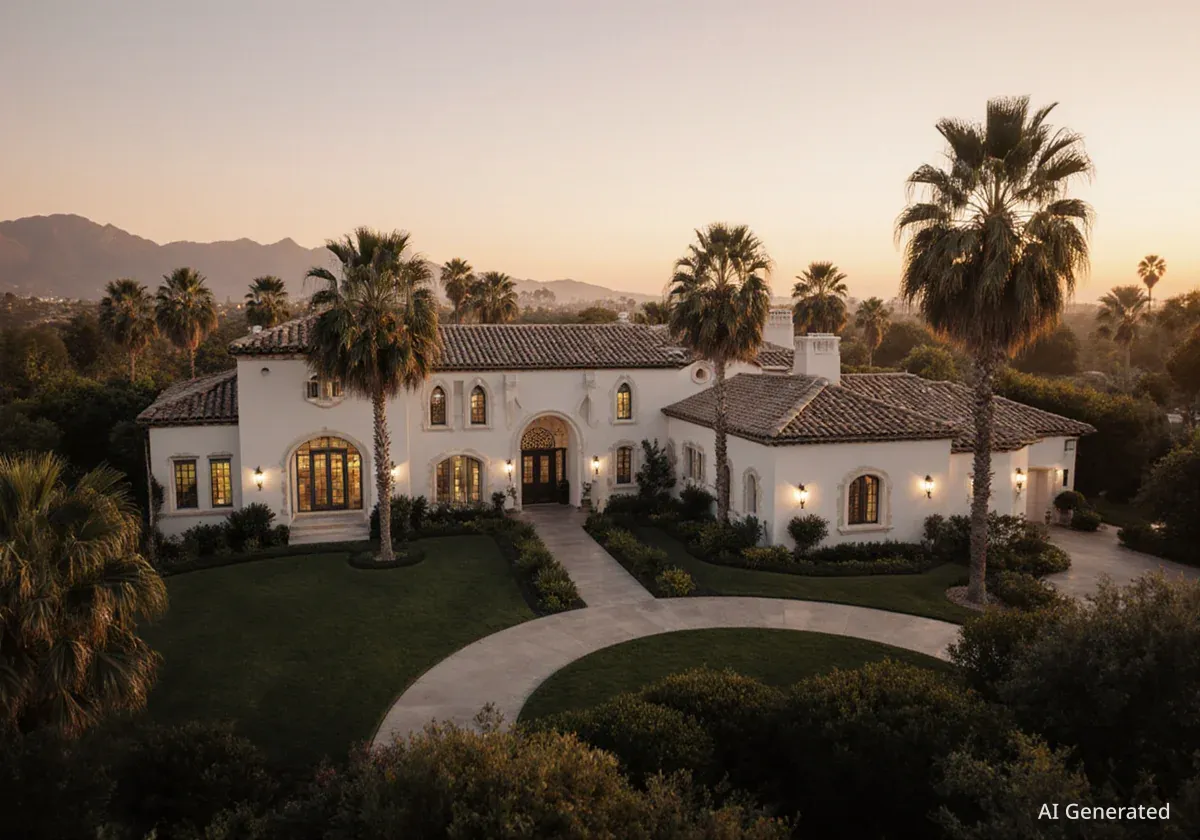
The U.S. luxury housing market is experiencing a significant surge, with prices for high-end properties climbing at more than triple the rate of non-luxury homes. In October, the median sale price for a luxury home jumped 5.5%, marking a stark contrast to the slower growth seen across the rest of the real estate sector.
This divergence highlights a growing gap in the American housing landscape, where affluent buyers appear insulated from the affordability challenges and fluctuating mortgage rates that continue to pressure the majority of potential homeowners. While the overall market shows signs of price resilience, the high-end segment is charting its own upward course.
Key Takeaways
- Luxury home prices in the U.S. increased by 5.5% in October compared to the previous year.
- The price growth for non-luxury homes was significantly lower, at just 1.8% during the same period.
- Sellers are increasingly pulling their homes off the market, with delistings rising 28% as they wait for better offers.
- Cities like West Palm Beach, Florida, have seen the most substantial long-term luxury price growth over the past decade.
The High-End Market Heats Up
Recent data reveals a clear separation between the luxury real estate tier and the rest of the market. The 5.5% annual increase in luxury home prices is the most substantial gain recorded in nearly two years, demonstrating robust demand and purchasing power at the top end.
In contrast, the median sale price for non-luxury homes saw a modest 1.8% rise. This gap underscores how different segments of the economy are navigating current financial conditions. While many households are grappling with affordability, the luxury sector continues to thrive.
Defining Luxury Real Estate
For market analysis, "luxury" homes are typically defined as those within the top 5% of a given metropolitan area's market value. This means the price point for a luxury property can vary significantly from one city to another, reflecting local economic conditions and wealth concentration.
This trend is not isolated to a single month. Over the past decade, certain regions have become epicenters of luxury real estate appreciation. West Palm Beach, Florida, leads the nation, having seen the most significant growth in high-end property values since 2014. Meanwhile, traditional luxury hubs like New York City have experienced more modest gains, indicating a geographic shift in wealth and investment.
Sellers Gain Confidence and Hold Their Ground
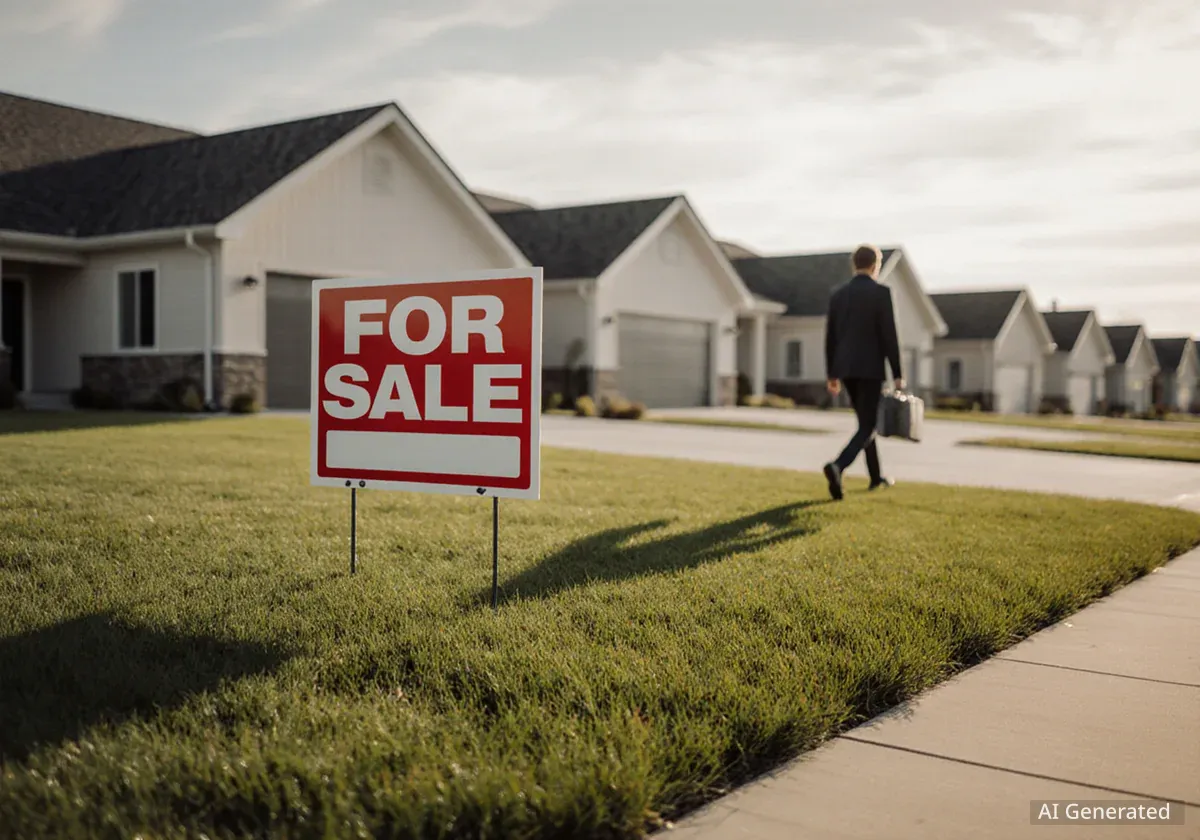
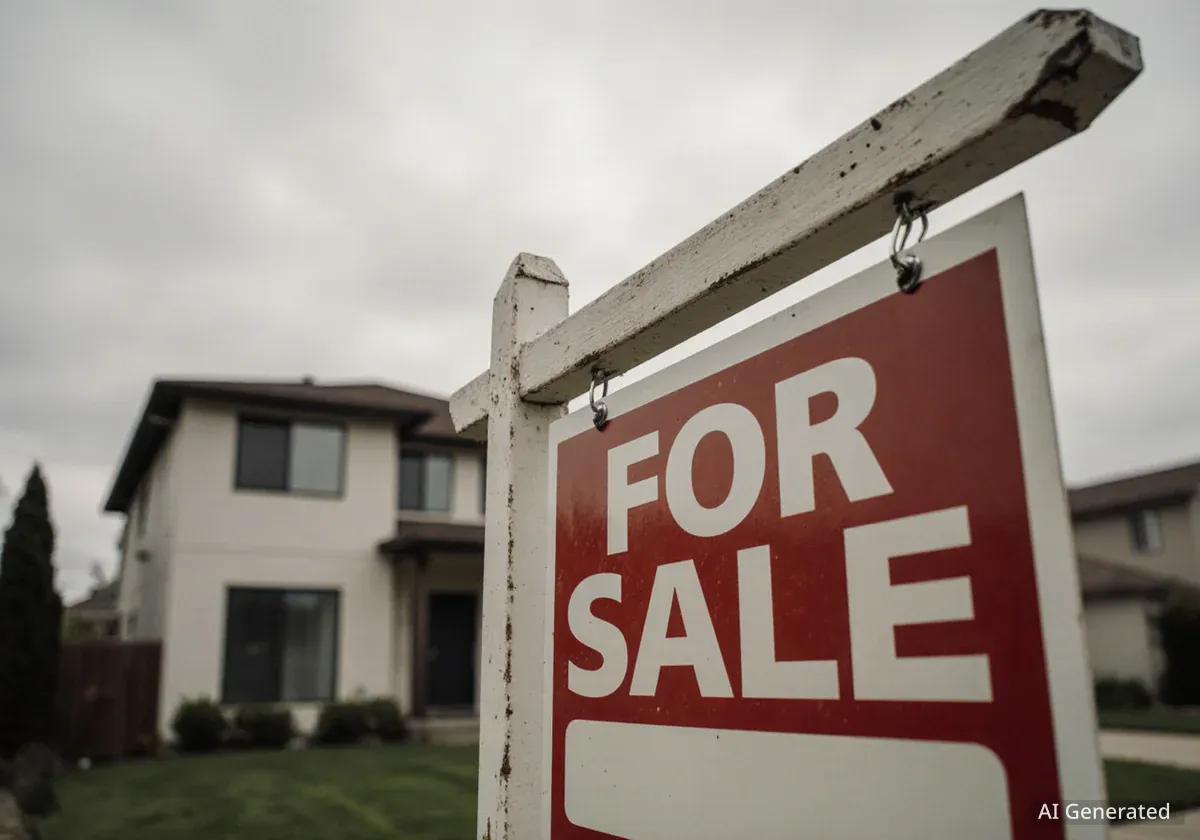
Another key factor shaping the current market is the behavior of sellers. Homeowners, particularly in the mid-to-upper price ranges, are showing a reluctance to lower their asking prices. Instead of settling for offers they deem too low, many are choosing to remove their properties from the market altogether.
This trend is quantified by a sharp 28% increase in home delistings compared to the previous year. This strategic retreat by sellers contributes to an already tight housing inventory, which in turn helps to keep prices stable or rising, even in the face of slower overall demand.
The increase in delistings suggests that sellers believe their property values will hold or increase in the near future, making them willing to wait for a more favorable market environment rather than sell at a discount today.
This seller confidence creates a challenging environment for buyers. With fewer homes available and firm prices, competition for desirable properties remains high, especially in sought-after neighborhoods. This dynamic is a primary driver of the recent overall home price gains, which posted their biggest increase in seven months despite a general slowdown in sales activity.
The Growing Affordability Challenge
While the luxury market flourishes, the issue of housing affordability for the average American is becoming more acute. The same forces propping up prices—limited inventory and steady demand—are pushing homeownership further out of reach for many, particularly first-time buyers.
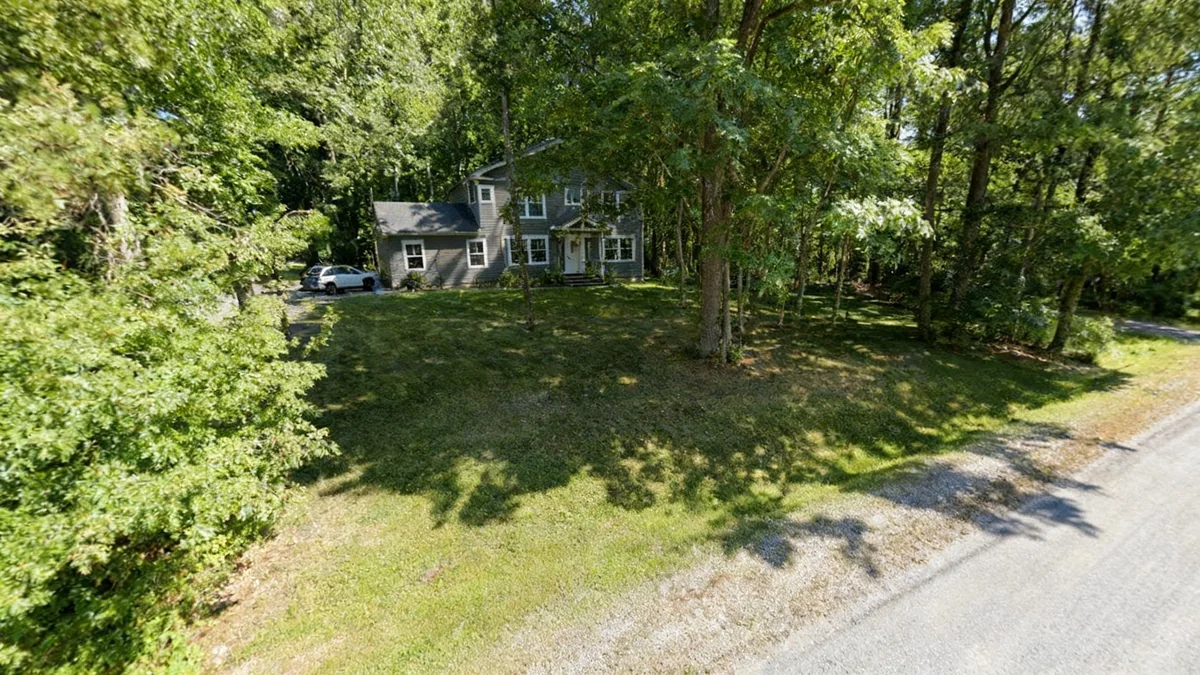
This crisis is no longer confined to major metropolitan areas. Recent analysis shows that the housing affordability crisis is accelerating fastest in rural America. Small towns and countrysides, once seen as bastions of affordable living, are now experiencing rapid price appreciation that outpaces local wage growth.
"The divergence in the market is clear. We're seeing strong performance at the high end, but that masks the very real struggles that a majority of families face when trying to find a home they can afford."
The persistence of elevated mortgage rates, though expected to hold steady, continues to be a major barrier. Even a small change in rates can add hundreds of dollars to a monthly mortgage payment, significantly impacting a household's budget and purchasing power.
Economic Outlook and Future Projections
Looking ahead, the broader economic climate will play a crucial role in the housing market's trajectory. Many economists are watching the Federal Reserve closely, with growing sentiment that an interest rate cut could be on the horizon as early as December. Such a move would likely lead to lower mortgage rates, potentially stimulating more activity across all price points.
However, the fundamental supply-and-demand imbalance is unlikely to resolve quickly. Until a significant number of new homes are built or more existing homeowners decide to sell, inventory will remain constrained.
For now, the U.S. housing market remains a tale of two distinct realities:
- For luxury buyers: A competitive but robust market with rapidly appreciating assets.
- For non-luxury buyers: A challenging landscape defined by high prices, limited options, and persistent affordability concerns.
As the year comes to a close, all eyes will be on economic indicators and policy decisions that could either bridge this gap or widen it further.