
If you've ever felt frustrated trying to prove you're not a robot by clicking on blurry images of buses or traffic lights, you're not alone. A new wave of security technology is emerging, aiming to replace these tedious tests with simpler, more intuitive methods, such as a simple press and hold of a button on your screen.
Companies are increasingly adopting behavioral biometric systems to distinguish human users from automated bots. This shift marks a significant change in how websites manage security, moving from knowledge-based puzzles to analyzing user behavior in the background, promising a smoother and less intrusive online experience for everyone.
Key Takeaways
- Traditional image-based CAPTCHAs are being replaced by newer, behavior-based security checks.
- New systems analyze how a user interacts with a page, such as mouse movements or the way they press a button, to verify they are human.
- This evolution is driven by the need to combat increasingly sophisticated bots while reducing user frustration and improving accessibility.
- Companies like PerimeterX are at the forefront of this technology, offering solutions like the "Press & Hold" verification method.
The End of the Road for Traditional CAPTCHA?
For years, the CAPTCHA—an acronym for "Completely Automated Public Turing test to tell Computers and Humans Apart"—has been the internet's default gatekeeper. Its purpose is to block malicious bots from spamming comment sections, creating fake accounts, or scraping data from websites.
However, as artificial intelligence has advanced, these tests have become both less effective and more annoying. Bots are now capable of solving complex image and text puzzles, sometimes more efficiently than humans. This has forced the puzzles to become more difficult, leading to a frustrating experience for legitimate users.
A Brief History of CAPTCHA
The concept originated in the late 1990s to prevent automated submissions. Early versions involved reading distorted text, a task simple for humans but difficult for computers at the time. Google's reCAPTCHA later evolved this by using the tests to help digitize books and, more recently, to train AI models by having users identify objects in images.
Furthermore, these visual-based tests present significant accessibility challenges for individuals with visual impairments, creating barriers to accessing essential online services. The growing dissatisfaction from users and the declining effectiveness against bots have pushed the industry to seek better alternatives.
Introducing Behavioral Biometrics
The next generation of bot detection is less about what you know and more about how you act. This field, known as behavioral biometrics, focuses on the unique patterns in human interaction with digital devices.
Instead of presenting a puzzle, these systems silently analyze hundreds of data points in the background. These can include:
- The speed and path of your mouse movements.
- The rhythm of your typing.
- The way you scroll down a page.
- The angle and pressure you use when tapping on a mobile screen.
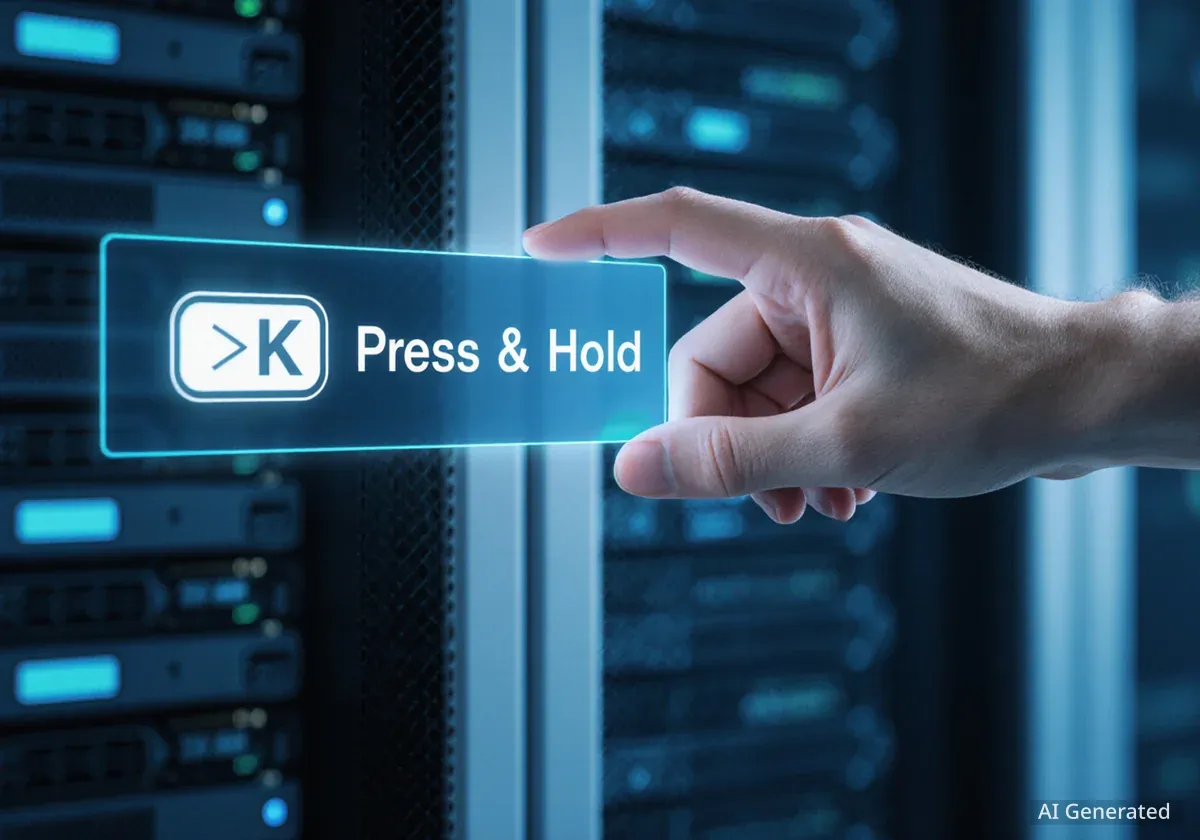
One of the most visible examples of this new approach is the "Press & Hold" verification method. Users are simply asked to press and hold a button for a few seconds. During that time, the system analyzes the subtle characteristics of that interaction—pressure, finger placement, and micro-movements—to confirm a human presence.
"The goal is to make security invisible for legitimate users," explains Dr. Evelyn Reed, a cybersecurity analyst. "Instead of throwing up a wall and asking you to prove you're human, we're observing natural behavior. Bots are very good at mimicking outcomes, but they struggle to replicate the nuanced, imperfect process of a real human interaction."
How the New 'Human Test' Works
When you visit a website using a modern bot detection service, a sophisticated process begins immediately. The system collects passive data about your device, browser, and network connection. This is combined with active behavioral analysis when you interact with the page.
The 'Press & Hold' Method in Action
The "Press & Hold" challenge, developed by security firms like PerimeterX, is a prime example of this technology. When a user is prompted to interact, the system isn't just checking if the button was held down. It's measuring a complex set of variables that are incredibly difficult for a script to fake.
Did you know? Malicious bot traffic is estimated to account for nearly 30% of all internet traffic, costing businesses billions annually in fraud, data theft, and infrastructure strain.
The technology assesses the entire sequence of the action: the approach of the cursor or finger, the initial pressure of the click or tap, the subtle fluctuations while holding, and the manner of release. A human's interaction is typically imperfect and variable, whereas a bot's is often unnaturally precise and programmatic.
If the system is confident the user is human, they pass through seamlessly. Only when behavior is flagged as suspicious is an explicit challenge like "Press & Hold" presented. This risk-based approach ensures that the vast majority of users never encounter a security check at all.
The Future of Online Verification
The move away from traditional CAPTCHAs is part of a broader trend toward creating a more seamless and secure internet. By focusing on behavior, websites can enhance security without compromising the user experience—a critical balance in today's competitive digital landscape.
While no system is perfect, behavioral biometrics represents a significant leap forward. It promises a future where proving you're human is as simple as just being yourself, allowing you to browse, shop, and connect online without the constant interruption of identifying crosswalks, buses, and fire hydrants.
As bots continue to evolve, so will the methods used to detect them. For now, the shift to passive, behavior-based analysis marks a welcome change for internet users everywhere, signaling that the days of the frustrating image puzzle may finally be numbered.