The U.S. housing market is undergoing a significant shift, creating new opportunities for prospective buyers. With an increasing number of homes for sale and more flexible sellers, the landscape has changed from the intense bidding wars seen in recent years. This change gives buyers more negotiating power than they've had in a long time.
Recent data shows a notable imbalance, with an estimated 37.2% more homes listed for sale than there were active buyers in November. This is the largest such gap recorded since 2013, excluding a brief period last summer. Paired with moderating mortgage rates, this environment presents a strategic window for those looking to purchase a home.
Key Takeaways
- The housing market now has significantly more sellers than buyers, increasing buyer leverage.
- Sellers are more willing to offer concessions, including credits for closing costs, repairs, and mortgage rate buydowns.
- Buyers can find deals by targeting properties that have been on the market for a longer time or have cosmetic issues.
- Being fully prepared with pre-underwritten financing and a clear budget strengthens a buyer's negotiating position.
Understanding the New Market Dynamics
For the past few years, sellers held nearly all the cards. Buyers often faced fierce competition, waived inspections, and offered well above the asking price. That dynamic has reversed. Now, with more inventory available, sellers must compete for a smaller pool of buyers.
This shift is partly driven by economic factors, including changes in mortgage rates. While rates are higher than their historic lows, recent dips have provided some relief. On January 13, the average 30-year fixed mortgage rate fell to 6.06%, its lowest point in over three years, making homeownership slightly more accessible.
According to Ben Mizes, co-founder of Clever Offers, this newfound flexibility is a game-changer.
“Sellers have more flexibility than they have in years. Don’t hesitate to ask for seller credits, repairs or buydown rates. Buyers have even been getting homes for less than asking and getting cash for closing costs.”
Strategies for Finding the Best Deals
In this market, savvy buyers can secure favorable terms by looking beyond the obvious. Real estate experts suggest several tactics to identify undervalued properties and negotiate effectively.
Target Overlooked Properties
Homes that have been on the market for an extended period or have undergone price reductions are prime targets. Sophia Fabian, a licensed real estate salesperson at Keller Williams NYC, advises clients to focus on these listings. “It’s a strong indication the property was priced for a very different market than we’re currently in,” she explains, noting that sellers of such homes often have to readjust their expectations.
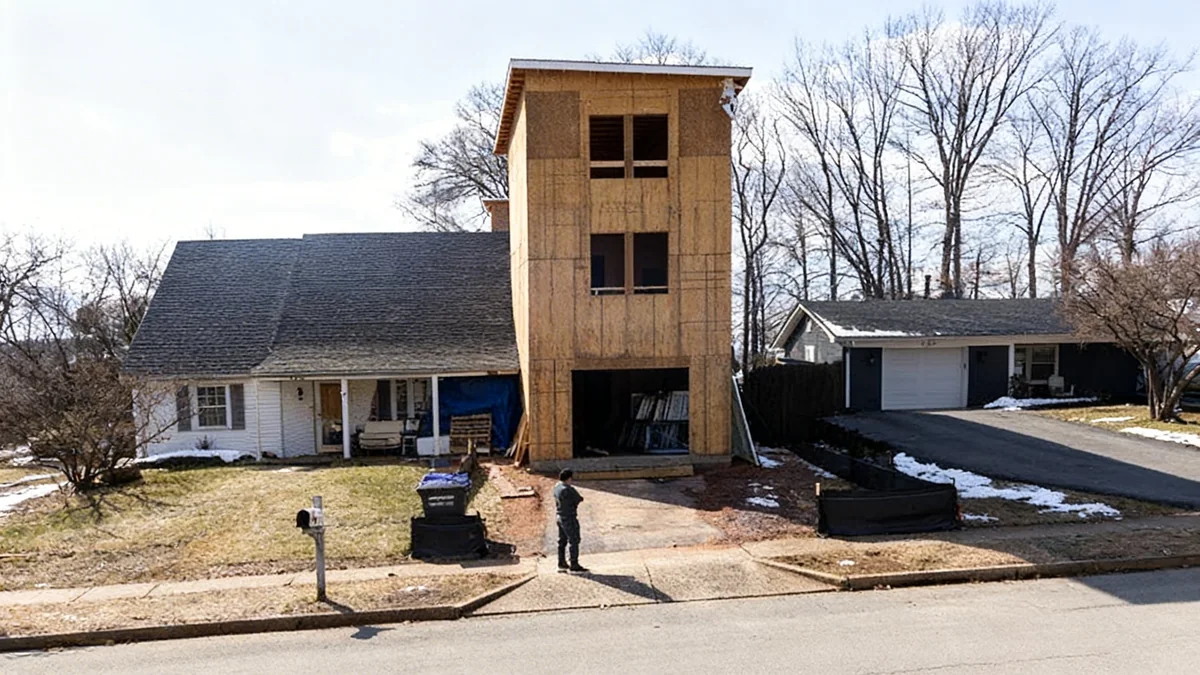
Another category of overlooked homes includes those with cosmetic flaws or storm damage. Aaron Christy, founder at Indy Roof & Restoration, suggests that these properties can offer unexpected value. “Those houses usually look worse than they actually are and sellers know buyers are scared of them,” he says. Damage to a roof or siding can often be covered by an insurance claim, allowing a buyer to purchase the home at a discount and then have the repairs made, instantly adding equity.
Market Imbalance by City
Some cities show an even greater shift toward buyers. In November, Austin, Texas, had an estimated 114% more sellers than buyers. Other cities with significant buyer advantages included San Antonio, Nashville, and Fort Lauderdale.
Be a Strong, Flexible Buyer
Sellers are not just looking for the highest price; they also want a smooth, reliable transaction. Buyers can make their offers more attractive by demonstrating financial readiness and flexibility.
Levi Rodgers, co-founder at VA Loan Network, emphasizes the importance of preparation. “The most attractive buyers will be completely pre-underwritten before they begin searching,” he says. This goes a step beyond pre-qualification and shows the seller that financing is secure.
Flexibility on the closing date can also be a powerful negotiating tool. Andrew Fortune, a real estate brokerage owner, notes that a quick close can be very appealing. “Sellers who are in a hurry will often take a lower price to be done,” he advises.
Negotiating Beyond the Purchase Price
In today's market, the best deal isn't always about getting the lowest price. Buyers now have the leverage to negotiate the entire structure of the transaction, which can lead to significant long-term savings.
Karl Benjamin, a certified mortgage broker, highlights this opportunity. “In softer markets, sellers are more open to concessions like closing costs or temporary rate buydowns,” he says. These concessions can be more valuable than a small price reduction because they directly lower out-of-pocket expenses and monthly payments.
Common negotiating points include:
- Seller Credits: Asking the seller to contribute a percentage of the sale price towards your closing costs.
- Rate Buydowns: The seller pays a lump sum to the lender to temporarily lower the buyer's interest rate for the first one to three years of the loan.
- Repair Concessions: Instead of the seller making repairs found during an inspection, they provide a credit to the buyer to handle the work after closing.
What is a Rate Buydown?
A rate buydown is a financing technique where the seller, builder, or even the buyer pays an upfront fee to the mortgage lender to reduce the interest rate on a loan for a specific period. For example, in a 2-1 buydown, the rate is 2% lower in the first year and 1% lower in the second year before returning to the original rate. This can save the buyer thousands in the initial years of homeownership.
Considering New Construction and Different Neighborhoods
The search for value can also lead buyers to consider options they might have previously dismissed, such as new construction homes or neighborhoods without top-rated school districts.
Orphe Divounguy, a senior economist at Zillow, points out that home builders are offering significant incentives. “Builders are offering significant concessions in the way of mortgage-rate buydowns and by covering closing costs, which add up to thousands of dollars saved in the first few years of ownership,” he states. New homes also eliminate the worry of immediate repairs or overdue maintenance.
For buyers without school-aged children, looking at properties in areas where schools are not the primary draw can unlock more affordable options. David Druey, a division president at Centennial Bank, suggests that “older communities or neighborhoods that aren’t centered around families” can offer more cost-efficient deals.
Ultimately, the current housing market requires a strategic approach. By understanding the shift in power, being financially prepared, and thinking creatively about negotiations, buyers have a rare opportunity to secure a home on terms that work for them.