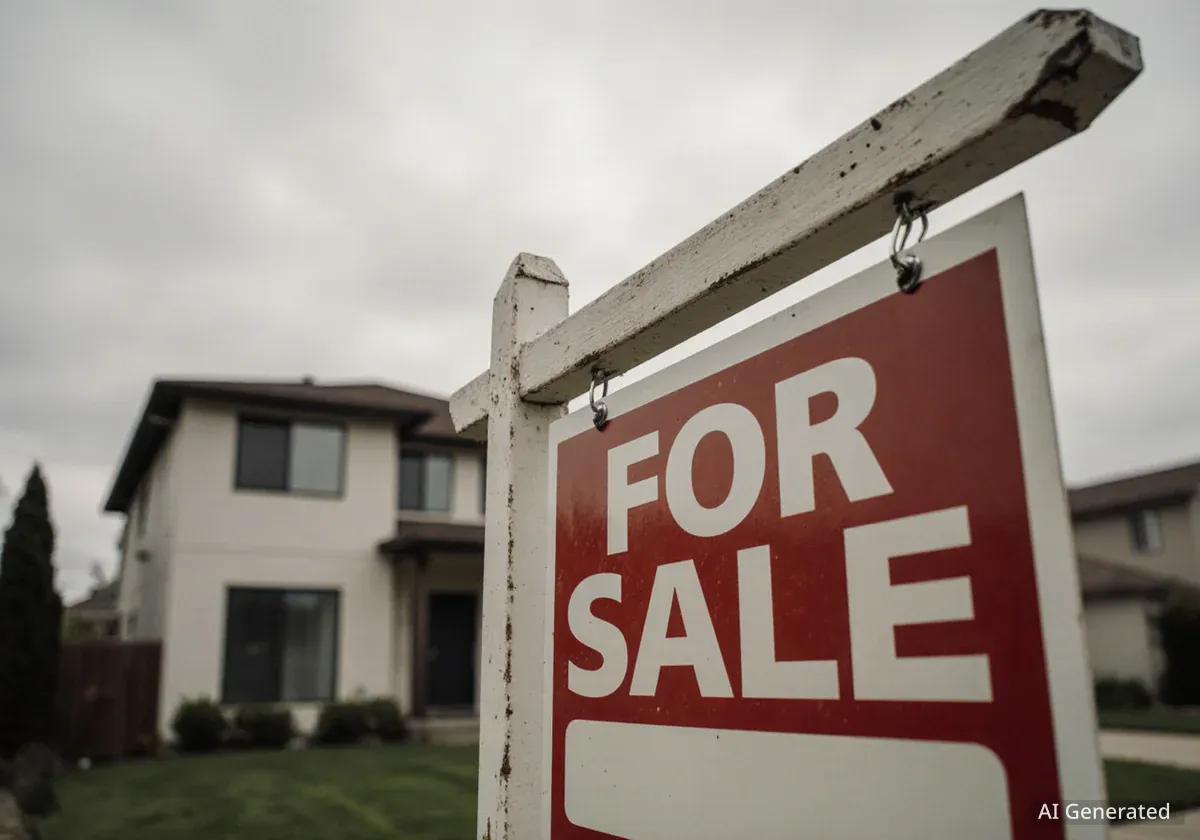

The landscape for homebuyers is shifting, with lower mortgage rates, stable home prices, and an increase in available inventory. These factors are contributing to improved affordability across the United States, offering a more welcoming environment for prospective buyers, especially first-timers.
While saving for a down payment remains a significant challenge, recent market adjustments suggest a turning point. The financial burden on new homeowners could lessen, making homeownership more accessible than in previous years.
Key Takeaways
- Mortgage rates have dropped significantly, reducing monthly payments.
- National home prices are largely stable, with only a slight annual increase.
- Housing inventory has improved, offering more choices for buyers.
- Saving for a down payment remains the largest hurdle for first-time buyers.
- Pending home sales show a positive trend, indicating renewed buyer interest.
Mortgage Rates Ease, Boosting Purchasing Power
One of the most impactful changes for homebuyers is the decline in mortgage rates. The average 30-year fixed mortgage rate currently stands at 6.19%. This is a notable decrease from the beginning of the year when rates were well above 7%.
This reduction translates into significant savings for individuals looking to purchase a home. For example, a buyer making a 20% down payment on a $410,000 home, which is near the national median price, could see their monthly payment reduced by approximately $200 compared to a year ago. This financial relief can make a substantial difference in household budgets.
Mortgage Rate Impact
- Current 30-year fixed mortgage rate: 6.19%
- Monthly payment savings: Approximately $200 for a median-priced home compared to a year ago.
National Home Prices Stabilize
Alongside falling rates, national home prices have shown signs of stabilization. Data indicates that prices are essentially flat compared to a year ago, with a slight increase of just 0.3% year-over-year. Earlier this month, prices even dipped into negative territory.
However, the picture varies significantly across different metropolitan areas. The latest S&P CoreLogic Case-Shiller home price index, which reflects October pricing, highlighted these disparities. Cities like Chicago, New York, and Cleveland experienced the largest price gains.
Regional Price Variances
While some markets saw gains, eight cities reported negative price trends. Tampa, Florida; Phoenix; and Dallas recorded the most significant price losses. These regional differences underscore the importance of local market analysis for buyers and sellers.
"National home prices also continue to lag consumer inflation, as October’s CPI is estimated around 3.1% – roughly 1.8 percentage points higher than the latest housing appreciation. In real terms, that gap implies a slight decline in inflation-adjusted home values over the past year."
Down Payment Remains a Key Obstacle
Despite improvements in rates and prices, the down payment continues to be the most significant hurdle for many aspiring homeowners. The typical homebuyer now needs approximately seven years to save for a down payment.
This saving period is a considerable improvement from the peak of 12 years seen in 2022. However, it still represents roughly double the pre-pandemic levels. The personal savings rate, which is currently much lower than in 2020, contributes to this ongoing challenge.
Homeownership rates reflect this difficulty. In the second half of this year, the homeownership rate fell to 65%, reaching its lowest level since 2019. This suggests that while market conditions are improving, the initial capital required for a down payment remains a barrier for many.
Increased Supply and Buyer Response
An improved supply of homes on the market is adding positive momentum to the real estate sector. Active listings are now approximately 12% higher than they were a year ago. While still 6% lower than pre-pandemic levels, this increase offers buyers more choices and reduces competitive pressure.
Buyers appear to be responding to these more favorable conditions. Pending home sales, which track signed contracts on existing homes, saw an unexpected rise in November. They increased by 3.3% from October and were 2.6% higher than November 2024, reaching the highest level in nearly three years.
Market Activity Boost
- Active listings: Up 12% year-over-year.
- Pending home sales: Rose 3.3% from October, highest in nearly three years.
"Improving housing affordability—driven by lower mortgage rates and wage growth rising faster than home prices—is helping buyers test the market. More inventory choices compared to last year are also attracting more buyers to the market."
Outlook for Future Homebuyers
The combination of lower mortgage rates, stabilized prices, and increased inventory creates a more optimistic outlook for homebuyers. These factors collectively enhance affordability, making it easier for individuals to enter the market or upgrade their current homes.
While the down payment challenge persists, the overall trend points towards a more balanced market. This shift could encourage more buyers to explore their options, potentially leading to continued growth in pending sales and a healthier housing market in the coming months.